 Wishlist
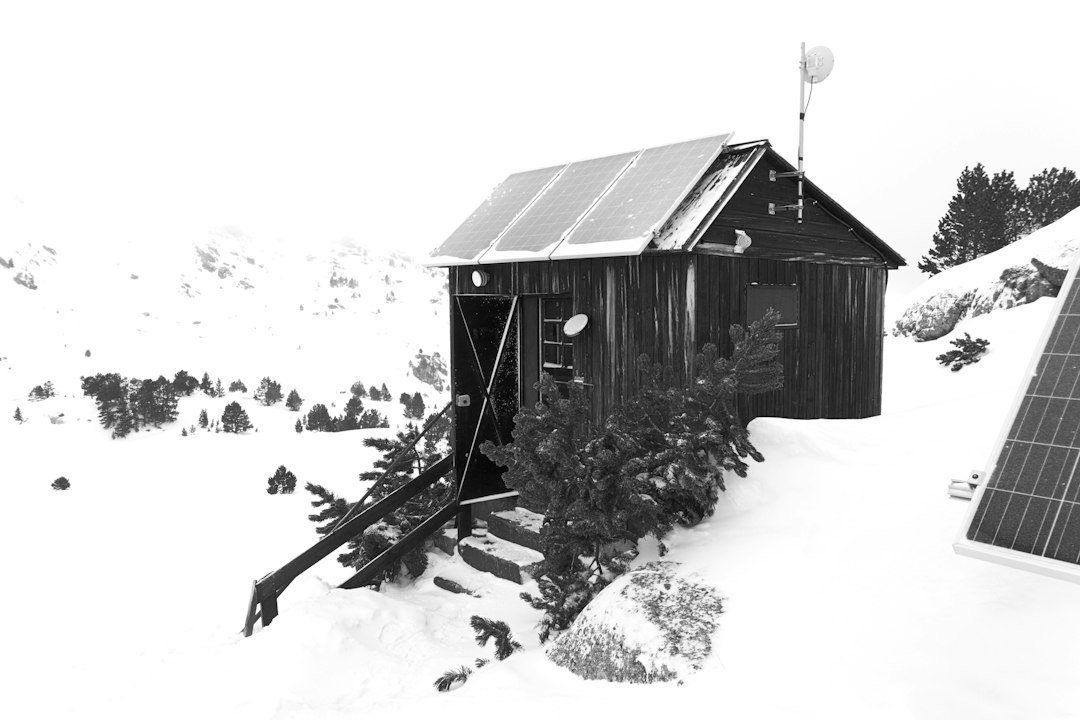
Quick answer: focus on using less and wasting less—audit loads, switch to efficient appliances, optimize solar and batteries, and add monitoring for feedback.
Improving off-grid energy efficiency isn’t a single upgrade; it’s a set of practical decisions that reduce consumption, reduce conversion losses, and make your generation and storage work smarter. Below is a step-by-step plan you can apply whether you’re on a tiny cabin, a remote homestead, or a vehicle-based system.
Start with a real energy audit so changes target the biggest drains
Before buying panels or batteries, measure what you already use. Track loads for 7–14 days during typical routines. Use a plug-in power meter for appliances and a whole-system meter at the inverter input if available. Note peak loads, standby draws, and heavy appliances (water heating, pumps, refrigerators, well pumps, electric cooktops).
Outcome: a prioritized list of what to reduce first—small items running constantly often add up more than occasional heavy loads.
Cut base load and standby losses first
- LED lighting: Replace all incandescent and CFLs with LEDs. A 10–12W LED replaces a 60W bulb and lasts longer on batteries.
- Vampire loads: Use smart strips or hardwired switches for routers, TVs, chargers, and other always-plugged devices. Even 2–5W per item adds up.
- Appliance behavior: Run high-draw devices (washers, ovens) during sun hours when panels supply power directly, reducing battery cycling.
Choose efficient appliances and change habits
An efficient refrigerator or a propane water heater can cut energy use dramatically. Look for DC or high-efficiency AC refrigerators designed for off-grid use; or consider propane for water and space heating to avoid electric heating losses.
Adjust lifestyles where it matters: batch cooking on a cast-iron skillet, line-drying clothes, and reducing freezer setpoints by a few degrees can shrink demand without much lifestyle sacrifice.
Improve building envelope and thermal management
Insulation and air-sealing are often the highest-return upgrades. Reduce heating and cooling needs by sealing gaps, adding insulation to walls and roof, and installing thermal curtains. Use thermal mass (water barrels, masonry) to even out temperature swings in day–night cycles.
Optimize your solar generation and placement
Panel tilt, shading and orientation matter more than simply adding more watts. Aim panels at true solar azimuth for your latitude; minimize shading from trees and vents—partial shade can cripple string outputs.
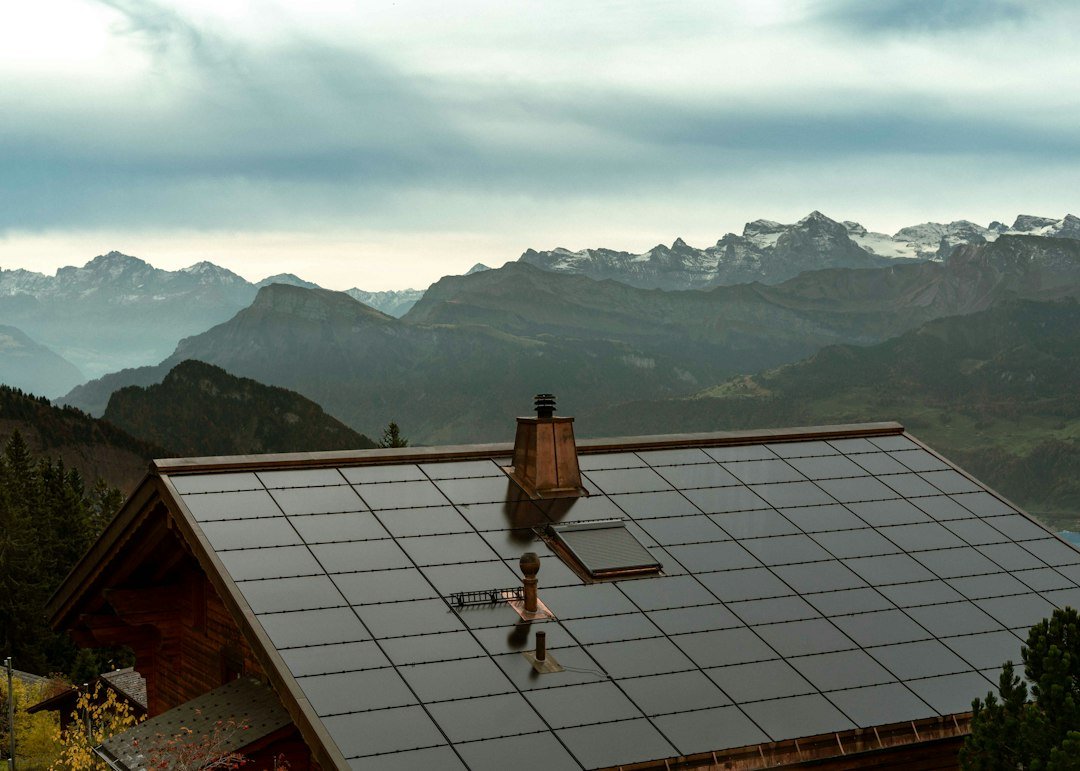
Consider bifacial panels if you have a reflective surface below or mounting that captures albedo—this can add real yield. Use an MPPT charge controller to harvest more power than older PWM units, especially when panel voltage and battery voltage differ.
Right-size your battery bank and manage cycling
Efficiency here is twofold: capacity and depth-of-discharge (DoD). Oversized batteries unnecessarily increase cost; undersized batteries cycle deeply and wear out faster. Match battery amp-hour capacity to your daily usable energy target, assuming conservative DoD (e.g., 50% for many lead-acid systems, higher for lithium).
Use a battery management system (BMS) or smart inverter settings to avoid excessive depth-of-discharge and to limit high C-rate discharges that reduce efficiency and lifespan.
Reduce conversions: DA and AC losses add up
Every power conversion loses energy. If possible, run DC loads directly from the battery bus—LED lights, DC refrigerators and USB devices—so you avoid inverter losses. When AC is required, choose a high-efficiency pure sine inverter sized close to your loads; oversized inverters operate less efficiently at low loads.
Use load prioritization and staged charging
Implement a load-prioritization plan: essential circuits (lights, water pump, fridge) on a critical bus and non-essential loads (workshop tools, heaters) on a secondary bus that can be shut off when batteries are low.
Program charging sequences so solar charges batteries first during peak sun, then supplies non-critical loads—this reduces unnecessary battery cycling.
Monitor performance continuously and iterate
Install a simple energy monitor or solar controller with data logging to see real-time production, consumption, and battery state-of-charge. Monitoring reveals when something changes—a failing panel, a fridge stuck on—or when a behavioral tweak made a difference.
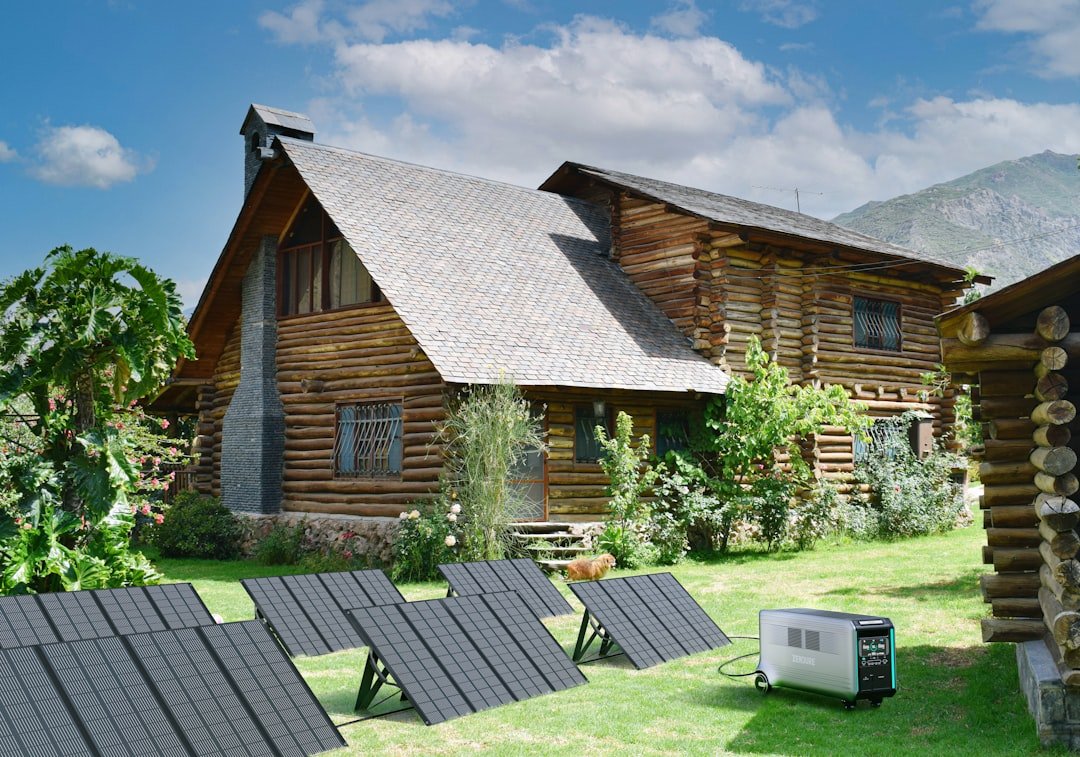
If you already use monitoring, review weekly trends and set alerts for low state-of-charge or excessive overnight draw.
When to add or replace equipment
Replace or add components when the audit shows persistent shortfalls despite conservation. Good candidates: switching PWM to MPPT controller, replacing an old inverter with a higher-efficiency pure sine model, or upgrading to lithium batteries if you need more usable capacity and faster charging.
Product suggestion: if you need modular solar capacity, consider the Rank #1 panels that fit small installations—two-panel packs are convenient when adding to existing arrays and are well suited to portable or rooftop mounts.
Troubleshooting common problems
- Unexpected battery drain: Check for phantom loads, failing refrigeration thermostats, or inverter standby consumption. Log overnight draw and isolate circuits.
- Low daytime production: Inspect for shading, dirty panels, or incorrect tilt. Compare MPPT readouts to expected irradiance for your area.
- Short battery life: Verify DoD and charge profiles; check for high-temperature exposure, which shortens life.
Next steps you can act on today
1) Plug in a single-kwh meter to the fridge for 48 hours. 2) Replace all bulbs with LEDs. 3) Seal obvious air leaks and add weatherstripping. 4) Turn on monitoring and record a full week to build your baseline.
- Measure 7-day usage and list top five energy draws.
- Replace all lighting with LED bulbs and install smart strips for electronics.
- Seal and insulate main heat-loss areas (roof, attic, windows).
- Switch to MPPT charge controller and check panel tilt/shade.
- Right-size battery bank for daily usable energy and set conservative DoD.
- Install basic energy monitoring and review weekly trends.
Energy efficiency off-grid is achieved by reducing demand first, then improving how you generate and store power. Small, prioritized changes—LEDs, sealing, MPPT controllers, better battery management and monitoring—deliver the largest, fastest returns.
How much can LEDs save in an off-grid system?
LEDs typically use 75–85% less energy than incandescent bulbs, so converting lighting often cuts nightly loads substantially—one of the fastest returns on effort and cost.
Is it better to add more solar or reduce usage first?
Reduce usage first—it's usually cheaper and immediate. Once demand is minimized, add solar sized to that realistic load to avoid oversized systems and unnecessary battery cycling.
Should I use lithium batteries for efficiency?
Lithium batteries offer higher usable DoD, lower maintenance and better charge efficiency, making them more efficient long-term—worth considering when replacing old lead-acid banks.
Can I run DC appliances to avoid inverter losses?
Yes. Running DC loads directly from the battery bus avoids inverter conversion losses and is especially efficient for lighting, fans, and some refrigeration units designed for DC.
How important is monitoring for efficiency?
Monitoring is essential: it shows real consumption patterns, alerts you to failures, and helps prioritize investments based on measured data rather than guesswork.