 Wishlist
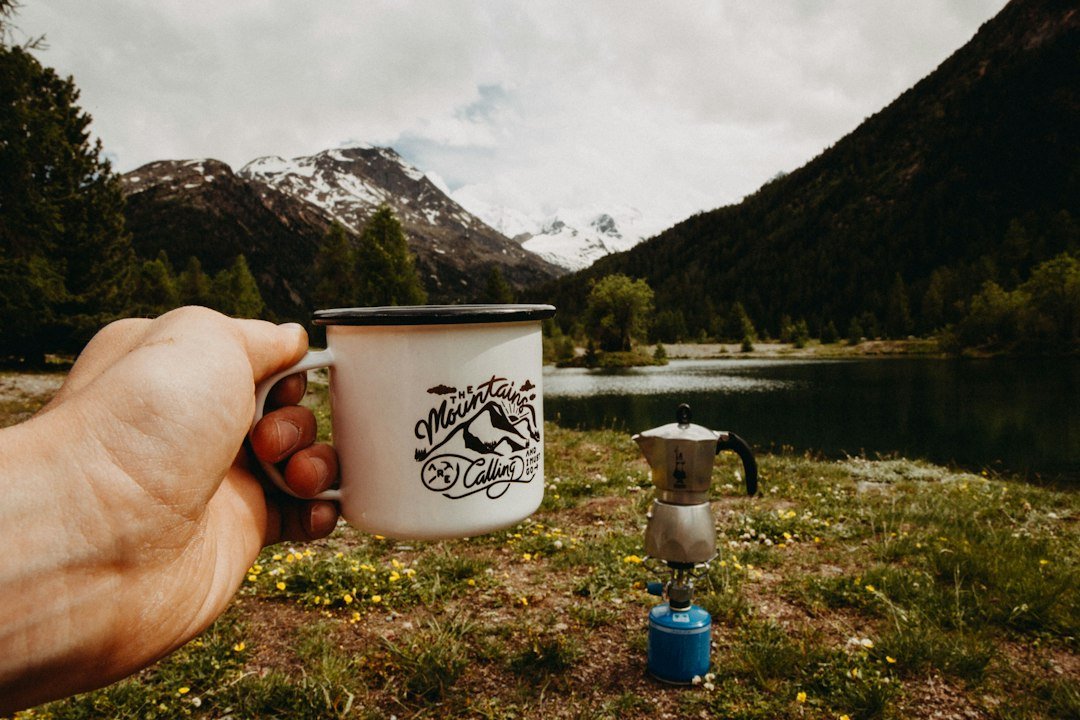
Start by matching the filter to the water you’ll actually face
When choosing a water filter for camping, survival, or off-grid use, the single most useful habit is to think about likely water sources first: clear high-elevation streams, silty lowland rivers, farm ponds, lakes with algae, or municipal backup sources. That determines the contaminants you need to remove—and which filter types are appropriate.
What actually matters when picking a filter
Ignore brand hype. Focus on five practical factors that determine real-world performance:
- Contaminant removal: Do you need bacteria/parasite protection only, or also viruses, sediment, chemicals, or heavy metals?
- Filtration method: Mechanical filters (ceramic, hollow-fiber), chemical disinfectants (tablets, bleach), UV, and reverse osmosis each remove different hazards.
- Micron rating and virus capability: Bacteria and protozoa are filtered by 0.1–0.3 micron media; most portable filters do not remove viruses—chemical or UV steps are needed for viruses.
- Flow rate and capacity: Consider how much water you need per person per day and whether you need continuous flow (camp) or single-serving (backpack).
- Maintenance, weight, and durability: Field-cleanable elements, spare parts availability, and ease of backflushing matter when you’re off-grid long-term.
Choose by use case: quick guide
Below are common scenarios and the filter types that best fit them.
Solo/backpacking: light, fast, low-maintenance
Use straw-style filters (hollow-fiber) or small pump filters. They handle bacteria and protozoa, are lightweight, and let you drink directly from streams or treat a small bottle.
- Pros: very light, simple, fast.
- Cons: typically do not remove viruses or chemicals; slow for group use.
- When to choose: day hikes, multi-day backpacking in freshwater areas without sewage risk.
Camping with a group or basecamp: higher flow, low fuss
Gravity-fed systems or larger pump filters are best. A gravity filter lets you set up once and fill jerrycans or cooking pots without constant pumping.
- Pros: higher flow, excellent for filling containers and cooking water; low effort once set up.
- Cons: bulkier to carry; some models need occasional element replacement.
Survival or uncertain water quality (floods, breakout areas)
Combine a particulate/mechanical filter with chemical disinfectant or UV. If viral contamination is a realistic threat (e.g., downstream of sewage), rely on chemical (e.g., chlorine dioxide) or UV after filtering for clarity.
- Use filter→UV or filter→chemical to cover both particulates and viruses.
- Carry multi-use options: tablets for emergency backups and a reliable mechanical filter for daily use.
Long-term off-grid living or remote cabins
Install a robust gravity system or multi-stage household filter (sediment → carbon → sub-micron cartridge). Consider water testing and targeted media for heavy metals or agricultural chemicals.
- Prioritize replaceable stages, local serviceability, and storage capacity.
- RO systems remove most contaminants but require power/waste water handling—often overkill unless specific contaminants are present.
How to read filter specs and marketing claims
Look for clear independent test claims (NSF/ANSI standards) or lab-rated micron values. Beware of vague phrases like “purifies” without defined particle size or pathogen claims.
- Micron rating: 0.2 micron or less removes bacteria and protozoa; 0.02 micron is needed for reliable virus filtration, which is rare in passive portable filters.
- Log reduction: If given, a 3-log reduction for bacteria means 99.9% removal; higher log values are better.
- Flow rate: Given as liters per minute or per hour—check whether that’s for clean lab water or typical turbid water; real-world flow is often slower.
Recommended products for common needs
Here are store-matched options that fit the practical scenarios above. Choose the product after confirming it meets your contaminant needs.
For group camping or off-grid basecamp where ease and capacity matter, a gravity-fed system is the best first choice:
For lightweight personal use or backpacking, a compact hand or straw filter is appropriate. The Katadyn-style hand pump offers reliable mechanical filtration for small teams or solos:
Always carry a small backup like water purification tablets for chemical disinfection; they’re compact insurance against viral contamination or filter failure:
Field maintenance and simple testing
Frequently rinse or backflush filters with clear water to extend element life. For ceramic filters, brush gently; for hollow-fiber, wipe and backflush per instructions. Keep spare O-rings and cartridge parts if you’ll be remote for longer than a few days.
Carry basic water-quality cues: clear but smelly water may need carbon/chemical treatment; very turbid water should be pre-filtered through cloth or a bandana before using finer elements to prevent clogging.
When to add supplemental treatment
Use UV or chemical disinfection when:
- There’s a risk of viral contamination (downstream from sewage or after flooding).
- Source water smells of fuel or agricultural chemicals—carbon filters help, but professional testing may be needed for long-term problems.
- You need to store water long term—treat and then store in clean, opaque containers.
Small shopping checklist before you buy
Confirm these points before checkout: contaminant claims, tested micron rating, maintenance process, spare parts availability, and realistic flow rate for the water you’ll use.
- Identify likely water sources and main contaminants.
- Confirm the filter removes bacteria/protozoa; add UV/chemicals for virus risk.
- Check micron rating and third-party test claims.
- Assess flow rate vs. daily volume needs and group size.
- Verify field maintenance steps and spare-part availability.
Pick the simplest system that covers the contaminants you'll encounter. Lightweight hollow-fiber or pump filters work for solo trips; gravity systems serve groups and off-grid living best. Always carry a virus-capable backup (chemical or UV) if sewage or flooding is possible.
Do portable filters remove viruses?
Most mechanical portable filters do not remove viruses; use chemical disinfectants (chlorine dioxide) or a UV pen after filtering to address viruses.
How often should I replace filter elements?
Replacement depends on water quality and use—heavy turbid water shortens life. Follow manufacturer guidance and inspect flow reduction as a wear sign.
Can I rely on water purification tablets alone?
Tablets work for viruses and bacteria but do not remove sediment or chemical contaminants; combine with a filter for clarity and taste.
Is gravity filtration better than a pump?
Gravity filters are less labor-intensive and better for groups; pumps give control and portability for smaller parties but require manual effort.
Should I test my off-grid water source?
Yes—professional testing for bacteria, nitrates, metals, and chemicals is recommended for long-term off-grid systems to guide media selection.