 Wishlist
When the first cold night comes and the inverter clicks off, you realize the tiny rookie errors have real consequences
You woke up to no lights, cold water, or a fridge full of ruined food—classic moments that reveal off-grid gaps. Small planning choices—underestimating solar, skipping permits, trusting a single water source—create stress quickly. Below are the common off-grid living mistakes beginners make, why each matters, and a practical, realistic way to fix or avoid it.
Assuming a one-size-fits-all power system will work
Problem: Many beginners buy a kit or single solar panel pack and assume it will meet household needs. They don’t test loads or account for winter sun, battery inefficiencies, or cloudy stretches.
Why it matters: Undersized systems lead to frequent shutdowns, shortened battery life, and expensive add-ons later. Overbuilt systems waste budget up front.
Better approach: Do a simple load audit—list devices, wattage and average daily hours—and calculate daily watt-hours. Size panels for worst-case winter production and choose battery bank capacity that supports at least 2–3 cloudy days of autonomy. Use an MPPT charge controller and install system monitoring to catch real-world shortfalls early.
Relying on a single water source without backup or treatment
Problem: Putting all faith in a well, spring, or shallow cistern without testing flow, seasonal variability, or contamination risk.
Why it matters: Dry seasons, pump failures, or contamination can cut water access and force emergency purchases or unsafe usage.
Better approach: Combine sources where possible—rainwater harvesting, well, and stored potable water. Test groundwater for bacteria, nitrates and heavy metals. Add redundant pumps or manual options and a straightforward treatment train: sediment filter, activated carbon, and a proven disinfection method (chlorine or UV). For small systems, gravity filters or a certified portable unit are practical interim fixes. See our guide on how to purify water safely for actionable methods.
Underestimating storage and preservation needs for food
Problem: Beginners imagine they’ll only need a small pantry and a chest freezer, then face spoilage, power losses and pest infestations.
Why it matters: Food loss is costly and dangerous if you lack safe alternatives. Freezers require consistent power; without it you lose staples fast.
Better approach: Build a layered food plan: non-perishables for emergencies, root-cellar or cool storage for produce, and canning/drying/smoking skills for longer preservation. Prioritize energy-light methods—pressure canner, solar oven, and dehydrator—over power-hungry freezers when possible. Rotate supplies and keep a modest backup power plan for refrigeration during outages.
Skipping permits, zoning checks, and neighborhood rules
Problem: Moving onto rural land without researching local codes—building permits, septic regulations, or water rights—hoping enforcement will be lax.
Why it matters: Fines, forced alterations, or being ordered to remove systems can be expensive and demoralizing.
Better approach: Before buying or building, check county planning, health department rules for septic and wells, and HOA or covenant restrictions. Treat the permit process as a design constraint rather than red tape; many systems can be adapted to meet codes with modest changes.
Choosing the cheapest gear instead of the right gear
Problem: Buying low-cost panels, inverters, or pumps that look fine on paper but fail in real conditions, or choosing overcomplicated gadgets you can’t repair.
Why it matters: Equipment failure off-grid is more than inconvenient—repairs may be slow or impossible; replacement costs and downtime add up.
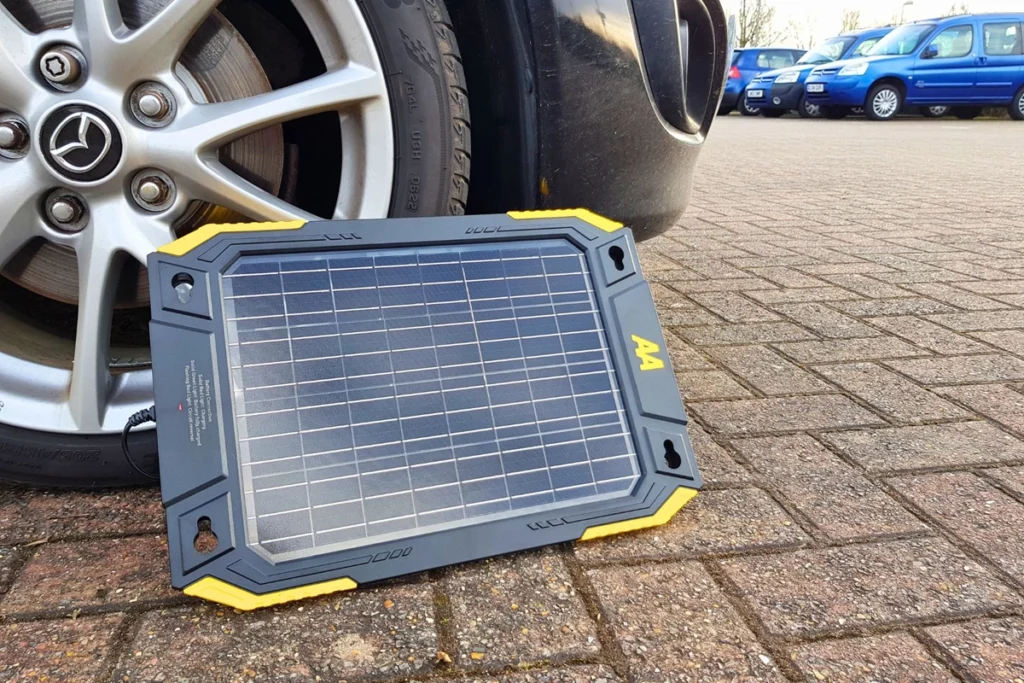
Better approach: Prioritize reliability, serviceability and known brands for core systems (solar charge controllers, inverters, pumps). For portable or low-impact items, cheaper options can work. Buy spares for consumables (fuses, pump seals, filter cartridges) and a basic tools/parts kit. A practical product for beginning solar users is a modular starter panel pack; for household-scale power, consider bundling with a proven inverter. For a compact, high-value option that helps beginners scale power, evaluate the 450W bifacial solar panel 2-pack available in our catalog:
Neglecting waste and sanitation planning
Problem: Treating waste systems as an afterthought—improvised latrines, poorly designed greywater dispersal, or assuming a municipal-style septic will work everywhere.
Why it matters: Bad waste systems contaminate water, create odors and attract pests; they can also violate health codes.
Better approach: Match sanitation to site conditions. Composting toilets, well-designed septic fields, and constructed wetlands for greywater can all work—each requires proper siting above water tables and distance from wells. Consult local health guidelines and invest in a simple maintenance schedule for whatever system you choose.
Ignoring soil and garden basics when planning self-sufficiency
Problem: Expecting abundant crops from untested soil or a single planting season, or failing to rotate, mulch and build fertility.
Why it matters: Poor yields undermine food plans and increase reliance on store-bought supplies.
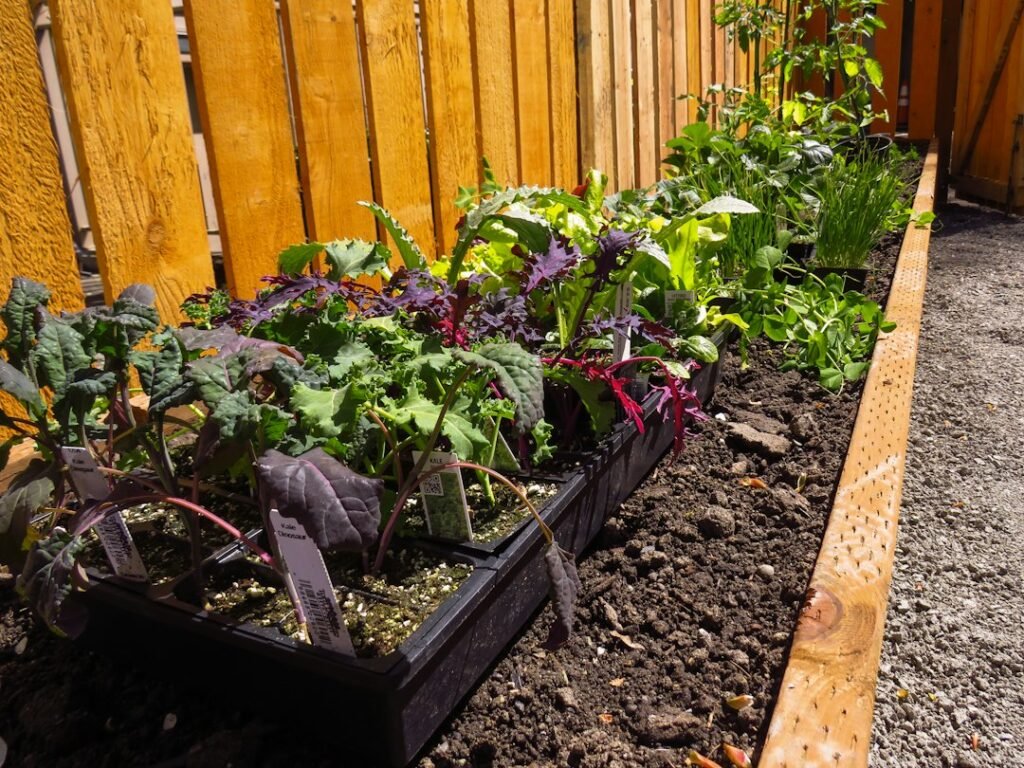
Better approach: Test soil early for pH and nutrients, start with small raised beds, add compost and cover crops to build organic matter, and plan staggered plantings. Learn low-water garden methods if you’re in a dry area, and protect crops from local pests with simple barriers and companion planting. For starting a garden, our beginner guide covers practical step-by-step setup: How to Start a Self-Sufficient Garden.
Not preparing for maintenance and seasonal work
Problem: Treating off-grid as “set it and forget it.”
Why it matters: Systems require seasonal checks—battery equalization, fuel stabilization, roof and gutter cleaning for rain catchment—and neglected tasks lead to failure at the worst time.
Better approach: Create a simple annual calendar: spring system test (pumps, hoses, filters), summer garden tasks, fall winter-proofing (insulate pipes, winterize pumps), and regular battery maintenance or monitoring alerts. Keep a short list of local service contacts and spare parts for critical items.
Quick checklist before you move off-grid
- Complete a household power and water audit for worst-case days.
- Test soil and water, and identify at least two water sources or storage strategies.
- Verify permits, septic rules and easements for the property.
- Purchase key spares: filter cartridges, pump seals, fuses, and basic hand tools.
- Create a six-month food preservation plan (canning, drying, storage rotation).
- Schedule a seasonal maintenance calendar and local service contacts.
Off-grid living rewards thoughtful preparation more than heroics. Focus on realistic sizing, redundancy for critical systems, legal compliance and simple, repairable gear. Those priorities prevent the most common beginner mistakes and keep your new life manageable and resilient.
How big should my solar system be for a small off-grid cabin?
Size systems from a load audit: total daily watt-hours, then add margin for low-sun months. For many small cabins, 1–2 kWh/day needs a 1–2 kW panel array with 200–400 Ah of usable battery capacity; adjust for winter and location.
Can I rely only on rainwater collection?
Rain catchment can be primary in wet climates, but you should have backup storage and a treatment method; in dry or seasonal areas a well or hauled water is necessary.
Is a generator essential off-grid?
Not always, but a backup generator provides resilience for long cloudy stretches or during maintenance; choose one sized for critical loads and practice safe fuel storage and maintenance.
What’s the easiest sanitation option for a remote site?
Composting toilets are low-water and low-maintenance when properly installed. If local codes require other systems, consult health authorities early.
How do I avoid battery failure?
Avoid deep discharges, size for autonomy, use proper charging (MPPT), keep batteries cool, and follow manufacturer maintenance—periodic equalization for flooded types and monitoring for all chemistries.