 Wishlist
Quick answer: the six tool categories you need right away
For reliable day-to-day living, an off-grid homestead needs dependable power, water, heating/cooking, tools for repairs and landwork, emergency communications and basic medical/safety gear. Equip each category deliberately—a small solar + battery bank, water filtration and storage, a wood or propane cook/heating solution, a set of hand and power tools, a simple radio/phone backup, and a first-aid kit—then expand by need and season.
Why these specific categories matter first
Off-grid living shifts the risks you manage: power outages become normal, delivered water and quick repair services are limited, and one equipment failure can cascade into food loss, hypothermia or property damage. The six categories above address immediate survival (water, heat), medium-term resilience (power, communications), and daily productivity (tools). Prioritizing them reduces downtime and prevents small problems from becoming disasters.
Power: small-scale solar, battery bank, and inverter
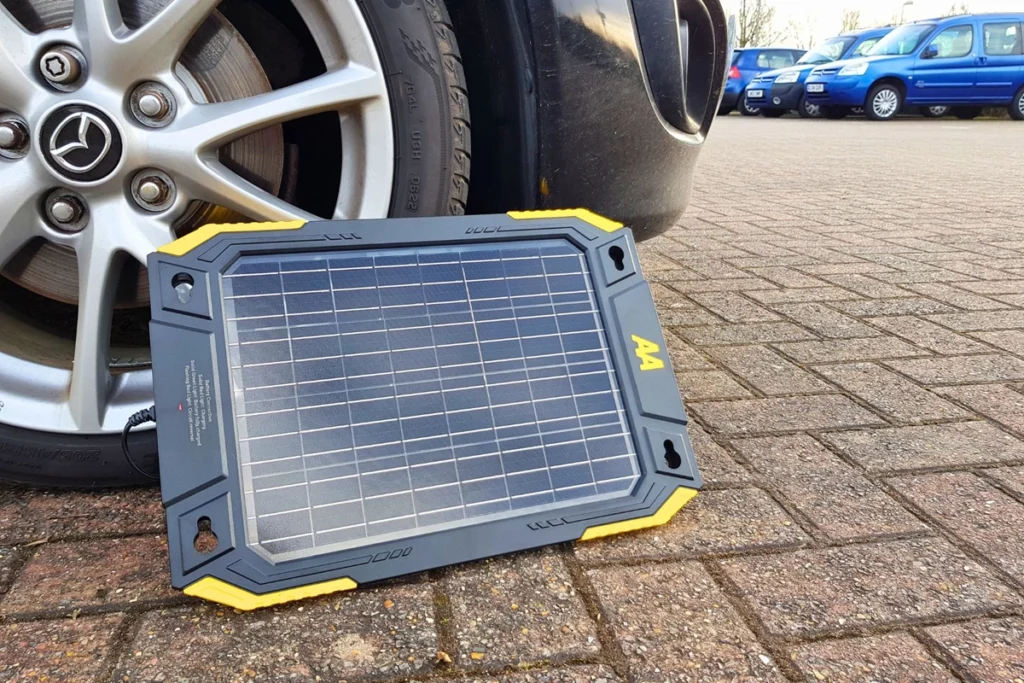
Start with a modest, scalable solar array and a deep-cycle battery bank sized for your critical loads—lights, fridge, phone charging, and one pump or medical device. Add a pure sine-wave inverter that matches peak loads (e.g., refrigerator startup). If grid independence is the goal, build capacity gradually: panels → charge controller → batteries → inverter.
Trade-offs: solar panel wattage and battery amp-hours are a balance of budget vs. runtime. Lead-acid batteries cost less upfront; lithium lasts longer and cycles deeper. Pure sine-wave inverters protect sensitive electronics but cost more.
Water systems: capture, store, and treat
Secure water before filtration—roof catchment and a covered storage tank or multiple food-grade barrels prevent shortages. Pair storage with at least two treatment stages: mechanical filtration (sediment/inline) and disinfection (UV or chemical). For mobility or emergency use, include a portable filter rated for protozoa and bacteria.

Practical sizing: aim for a minimum 7–14 gallons per person per day for drinking, cooking and hygiene; keep a reserve for drought or pump failure. If wells are present, maintain a spare manual pump head or generator-compatible submersible pump.
[h3]Small photo illustrating water collection and basic filtration[/h3] [AZAM_IMAGE query="rainwater collection barrel with spigot and pump" alt="rainwater barrel with pump beside cabin" />Heat and cooking: reliable non-electric options plus backups
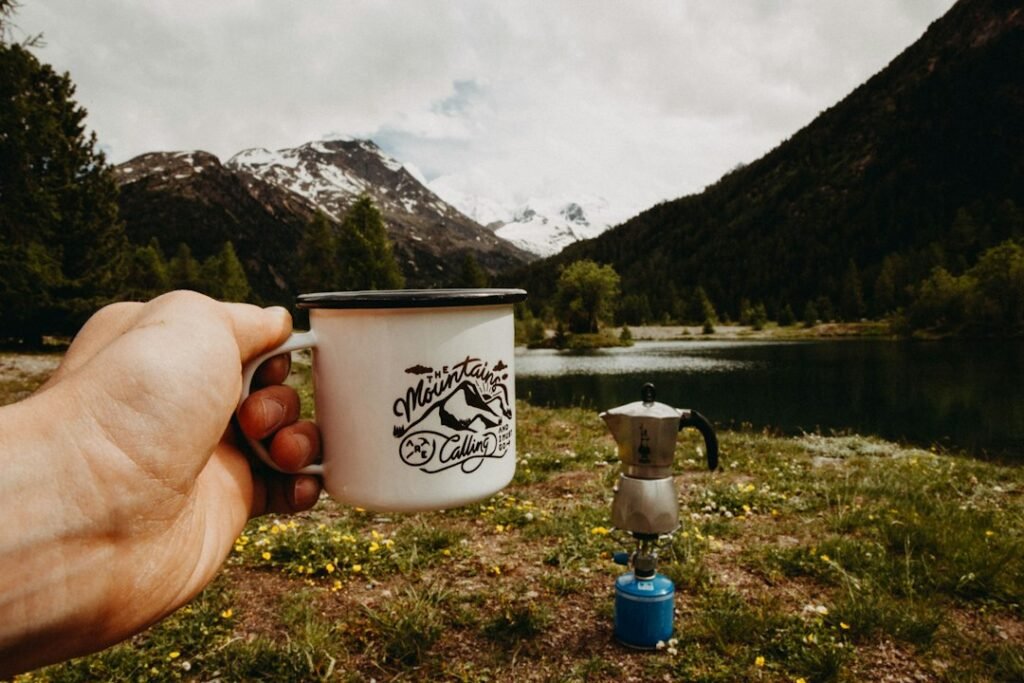
Wood-burning stoves are the classic off-grid choice for combined heating and cooking; they require dry, seasoned wood and regular maintenance (chimney cleaning). Where wood is scarce, a propane cookstove or a catalytic propane heater provides predictable heat and is easier to control. Whichever you choose, ensure safe ventilation and a carbon-monoxide alarm.
Exception: if your climate is mild year-round, prioritize a small efficient propane or solar cooker and direct-sun solutions over heavy wood systems.
Hand and power tools: keep the basics plus a few workshop machines
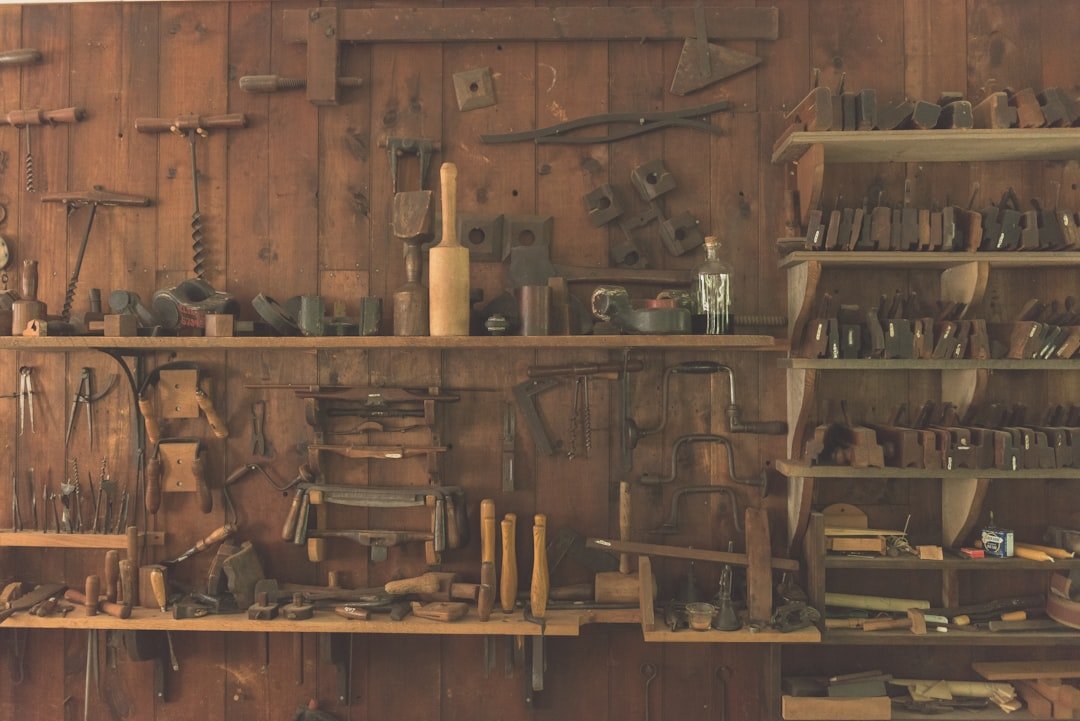
A well-chosen set of hand tools lets you handle repairs without waiting for parts or contractors: axe, splitting maul, bow saw, handsaw, hammer, adjustable wrenches, screwdrivers, pliers, sledge, pry bar, and quality tape measure. Add cordless power tools (drill/driver, circular saw) with a shared battery platform for light construction and fence repair.
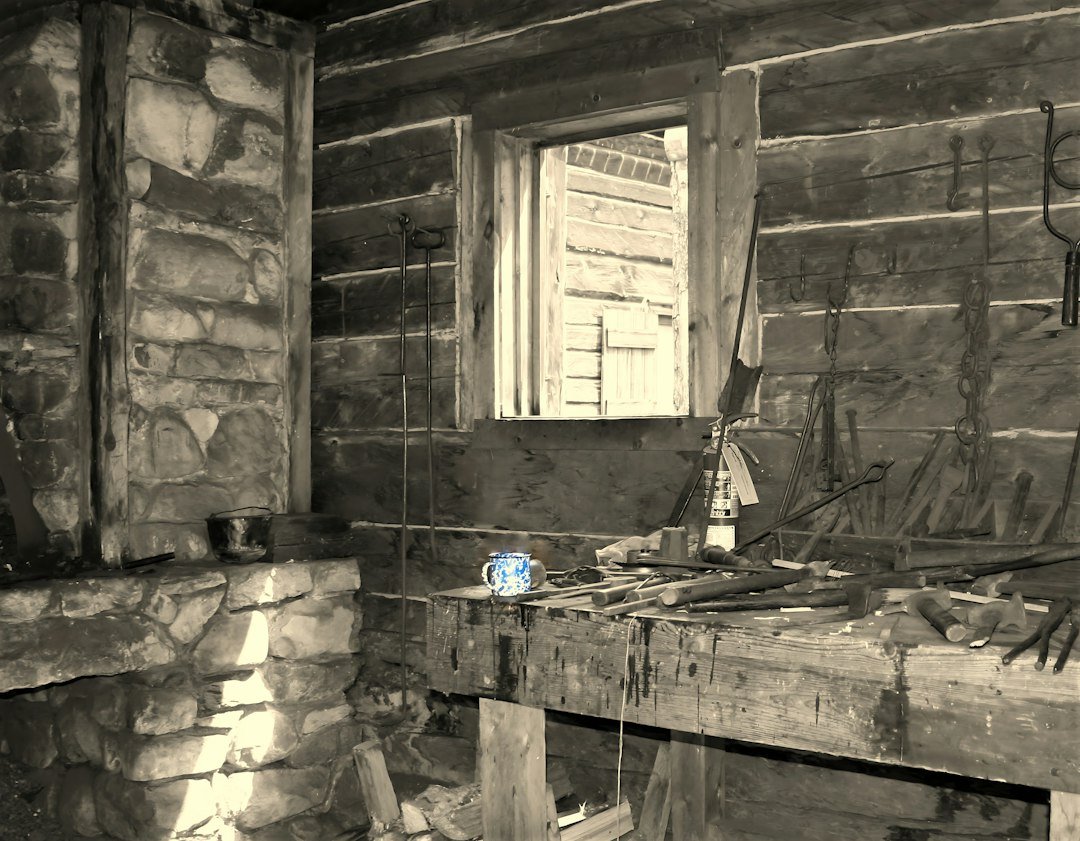
Prioritize durability: solid steel heads, replaceable blades, and straightforward maintenance. Store tools in a dry, organized rack and mark spares for quick replacement.
Repair materials and consumables worth stocking
Keep a modest inventory of fasteners and repair supplies: assorted nails and screws, wire, hose clamps, fuel- and water-safe sealants, pipe fittings (PVC and galvanized), electrical wire and fuses, spare belts and filters for engines, and basic plumbing fixtures. A small roll of multi-purpose nylon rope and a tarp go a long way in emergency weatherproofing.
Communications and small electronics
An off-grid homestead benefits from at least two ways to communicate: a charged smartphone and a backup that doesn't rely on grid power (hand-crank or solar charger). For remote locations, a shortwave or VHF/UHF radio and a basic emergency handset can be lifesaving. Keep spare batteries and a simple charging plan tied to your solar/battery system.
First aid and safety gear
Assemble a robust first-aid kit—trauma supplies, wound care, splints and medications tailored to your household needs—and know how to use them. Add a reliable fire extinguisher, CO detector (battery or hardwired to your system), and personal protective equipment: work gloves, eye protection, hearing protection, and respirators for dusty tasks or ash cleanup.
Making choices based on property, climate and skill
Not every homestead needs the same kit. A mountain property with accessible timber should favor a robust woodstove and chainsaw setup; a sunny, arid site should prioritize solar capacity and extra water storage. If you lack mechanical skills, invest early in training or trade time with a neighbor before buying complex gear like inverters or pumps.
Budgeting tip: secure core capabilities first—safe water, a way to stay warm, and a basic power backbone—then add convenience items like workshop machines or large battery banks later.
One product recommendation to get started
If you’re building an initial electrical backbone, a modular solar panel kit that scales is often the best first purchase. The 450W bifacial solar panel 2-pack (ID 2096) matches this need: it provides immediate generation capacity and pairs easily with popular charge controllers and battery sizes for small homesteads.
Next steps: plan then buy incrementally
Survey your homestead: list critical needs by season, map power and water priorities, then buy one category at a time. Start with water storage/treatment and a small power setup that can run your most important device for several hours, then expand.
- Identify critical loads (fridge, pump, medical devices) and estimate wattage or gallons per day.
- Confirm local fuel/wood availability and seasonal water supply.
- Decide on primary heat source and back-up (wood vs. propane).
- Create a labeled shutoff map and emergency contact/communication plan.
Prioritize reliable water, a small scalable power system, safe heat and cooking, a compact toolset and emergency communications. Buy deliberately: meet critical needs first, choose durable gear, and expand capacity as skills and budget allow.
How big a solar system does a small homestead need?
Start by sizing for your critical loads—typically 500–1,500 watts of panels and a battery bank that stores 2–4 days of essential use; adjust by climate and sun availability.
What is the easiest off-grid water treatment?
Collecting roof water into covered tanks plus a two-stage filter (sediment + UV or chemical disinfection) is simple and reliable for most homesteads.
Do I need lithium batteries right away?
No—lead-acid batteries are cost-effective for starters; upgrade to lithium when budget and cycle needs justify the higher upfront cost.
Which hand tools are most essential?
Axe, handsaw, hammer, adjustable wrench, pliers, screwdrivers, and a quality tape measure cover most routine repairs and small construction tasks.
How should I store fuel safely on an off-grid homestead?
Keep fuel in approved containers, stored on a non-combustible base, away from living spaces, and follow local regulations for volume and signage.