 Wishlist

You’re standing at the grocery checkout with a cart full of basics—and wondering if you couldn’t produce, preserve or store at least some of this yourself.
Start with the outcome: a home that supplies a reliable share of its own food, water and basic energy while reducing dependence on deliveries and fragile systems. The process is incremental: pick one target (food, water, energy, or practical skills), make it reliably useful within a single season, then layer the next target on. Below is a straightforward, seasonal-friendly roadmap you can adopt at your own pace.
Plan one practical outcome for the coming season
Choose a single measurable goal you can complete in about three months. Good beginner outcomes: produce two weeks’ worth of salad greens, collect and safely store 200–300 gallons of rainwater, or be able to power essential lighting and phone charging for 24–48 hours.
Write the goal down, set a small budget, and list three specific actions that will make it happen. This keeps momentum and prevents vague “get more self-reliant” intentions from stalling.
Food: grow, preserve and simplify
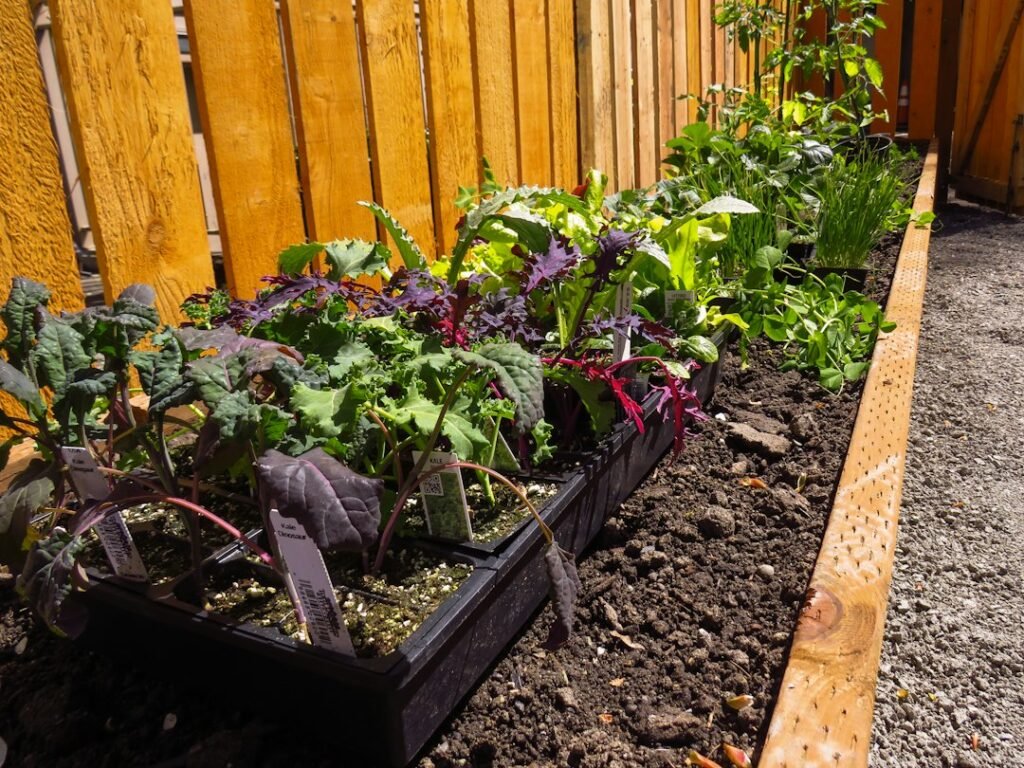
Start with high-return, low-effort crops: lettuce, kale, radishes, bush beans and cherry tomatoes. Use raised beds or containers if you lack yard space. Aim to harvest at least once a week so you see steady progress.
Preservation increases the value of every harvest. Learn one preservation method this season: canning tomatoes, freezing blanched vegetables, or dehydrating herbs and fruits. Mason jars and a good set of canning lids are inexpensive and last for years.
Tip: focus on foods that replace grocery staples you regularly buy. If you eat a lot of tortillas, grow beans and learn to dry or freeze them for later use.
Water: collect, filter, and plan for short interruptions
Rainwater harvesting is the quickest way to become more water-secure. A single 55–100 gallon rain barrel beneath a downspout provides non-potable water for irrigation and cleaning; multiple barrels piped together can support longer needs. Treat collected water as non-potable unless you install proper filtration and disinfection.
For potable needs, invest first in a reliable gravity or pump filtration system and learn how to disinfect by boiling, UV, or chlorine for emergencies. Test your local water regulations before depending on rainwater for drinking.
Energy: reduce demand, then add resilient sources
Start by lowering usage. Swap to LED bulbs, install basic insulation or weatherstripping, and prioritize manual tasks (hand tools, stovetop cooking) that don’t need electricity. Reducing consumption shrinks the size of the backup system you’ll need.
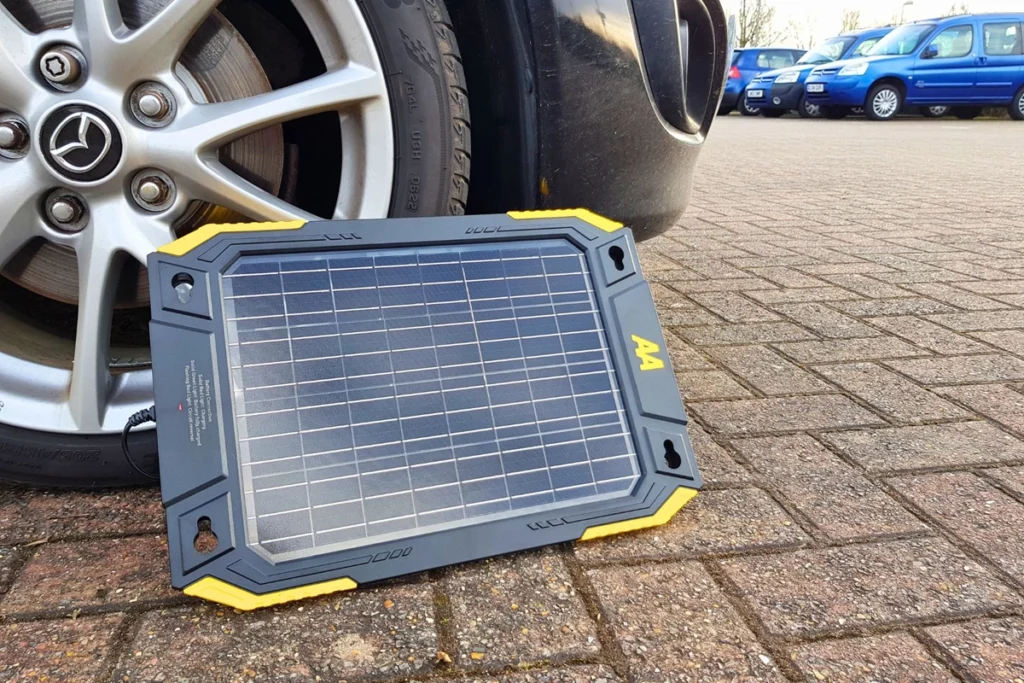
Next, add a small resilient power source to cover essentials: phone charging, LED lighting, and a small fridge or radio. If your priority is short-term outages, a portable inverter generator or a battery system with a solar trickle charger is practical.
Why this product: a smart battery maintainer is compact, helps keep small battery banks healthy and doubles as an emergency charging aid for 12V systems. Use it to maintain vehicle batteries, small deep-cycle batteries, or as a bridge for a modest power station.
Sanitation and waste: simple systems that reduce reliance
A composting toilet or improved greywater routing reduces dependence on sewer systems and turns waste into resource. For homes where plumbing is intact, start with a hand-crank compost bin for kitchen scraps and a clarified plan for greywater reuse for irrigation (local codes permitting).
If you want a compact, immediate solution for reducing water use and improving resilience, consider a self-contained composting toilet unit that fits into a small room—this avoids complex plumbing changes while cutting water demand.
Skills and tools: prioritize self-sufficiency skills with lasting payoff
Pick three skills to learn this year: basic plumbing fixes (replace a washer, unclog a trap), preserving food (canning, freezing, dehydrating), and basic electrical safety (reset breakers, swap an outlet). These are high-payoff, low-risk skills that reduce service calls and increase confidence.
Match tools to skills: a quality cast-iron skillet, a basic plumbing kit (pipe wrench, basin wrench, plumber’s tape), and a food dehydrator or pressure canner if you plan to preserve a lot. Invest in one versatile item rather than many single-use gadgets.
Money and time trade-offs: small investments that change the math
Self-reliance costs time as well as money. Use this rule: spend a little now to save recurring costs later. Example: a $150 rain barrel offsets landscaping water bills quickly in dry months; a $60 dehydrator extends harvests into winter.
Track hours spent on activities that replace purchases. If picking and preserving a bushel of tomatoes replaced two supermarket trips, that’s real value—count it.
Troubleshooting common roadblocks
- Limited space: use vertical gardening, containers and windowsill herb setups. Micro-preserving (pickling, fermenting) works well with small harvests.
- Low budget: prioritize free or low-cost skills—seed saving, basic repairs, and foraging seasonal produce before buying equipment.
- Regulations: check local codes for rainwater harvesting, greywater reuse and composting toilets; you can usually start with non-potable uses and small systems while you research permits.
How to sequence your next three projects
- Season 1 (next 3 months): Grow quick greens and set up one rain barrel.
- Season 2 (months 4–6): Learn one preservation method and add a battery maintainer or small inverter for essentials.
- Season 3 (months 7–9): Expand garden beds, add another water barrel or filter, and tackle one plumbing or electrical skill.
Small safety checks before you start
Always secure storage for chemicals and sharp tools, install a CO detector if you use combustion heating or generators, and follow manufacturer instructions for all electrical or plumbing work. When in doubt, consult a licensed professional for anything beyond basic repairs.
- Define one season-long goal and three concrete actions.
- Establish a basic preservation method (canning, freezing, dehydrating).
- Install at least one rain barrel and label water use (non-potable vs potable).
- Reduce energy demand before adding backup power.
- Acquire one multipurpose tool and learn one repair skill.
- Check local rules for water and waste systems before major changes.
Self-reliance is a series of achievable, connected projects: secure a portion of your food, capture or filter water, reduce and back up energy, and learn durable skills. Prioritize what saves you most time or money and build upward from there.
How much garden space do I need to start producing noticeable food?
A single 4x8 raised bed can produce regular salad greens and herbs for a small household; two or three beds vastly increase yield. Container gardening works similarly on a smaller scale.
Is rainwater safe to drink?
Not without treatment. Rainwater is fine for irrigation and cleaning; filter and disinfect it (boil, UV, chlorine) before using for drinking, and follow local health guidelines.
What’s the first tool every self-reliant household should own?
A good multi-bit screwdriver set, adjustable wrench, and a quality cast-iron skillet cover many basic repairs and cooking needs.
How do I choose between a generator and a battery system?
Choose a generator for long-run, higher-power needs and a battery system for quiet, short-duration essential loads. Reduce demand first so either option can be smaller and less expensive.
Can I preserve food without buying equipment?
Yes. Simple methods like salt or sugar pickling, sun-drying (where safe), freezing in reused containers, and fermenting require minimal equipment to start.