 Wishlist
When you're shopping for two-way radios, only a handful of factors will actually change whether the device does the job you need. Ignore flashy specs that don't affect your use—advertised maximum range, for example, is measured in ideal conditions and is rarely achieved. Focus instead on transmission band (FRS/GMRS/PMR), power and licensing, battery life and type, durability (IP/rugged rating), and features like NOAA alerts or privacy codes that matter to your situation.
Match the radio type to your use case first
Decide what you’ll use the radios for; that choice narrows everything else.
- Jobsite / commercial communication: Choose durable units with good short-to-medium range performance, clear audio, and robust accessories (headsets, belt clips). Look for IP ratings and high transmit power where legal.
- Outdoor recreation (hiking, skiing, hunting): Prioritize range in real terrain, compact size, battery options, and emergency features (NOAA weather alerts, SOS). Lightweight handhelds with lithium batteries are convenient.
- Family & event coordination (camping, festivals): Simplicity and battery life matter. FRS radios are easy because they require no license and work fine for short-range coordination.
- Emergency prep and home backup: Pick radios with NOAA alerts, long battery life, multiple power inputs (AA, rechargeable, USB), and models that pair with weather radios.
Licensing, frequencies, and legal power limits
If you want to avoid paperwork, stay on license-free channels: in the U.S. that means FRS for most consumer handhelds. GMRS offers higher legal transmit power and better range but requires an FCC license for use with GMRS-capable radios and repeaters. In Europe and other regions, look for PMR446. Check local rules before buying higher-power or repeater-capable units.
Range: realistic expectations and trade-offs
Advertised "up to" ranges assume flat ground with no obstructions. In forests, mountains, or urban areas, actual range often falls to a fraction of the claim.
- Short range (0.5–2 miles): typical in dense forest or city blocks — FRS consumer radios usually cover this.
- Medium range (2–6 miles): open country or light hills — higher-power GMRS or professional handhelds perform better.
- Longer range (6+ miles): requires high-power radios, higher antenna height, repeaters, or licensed bands.
Rather than chasing the largest number, match the expected terrain and plan for line-of-sight obstructions. If range is essential across rugged terrain, consider GMRS with a repeater or dual-use solutions (radio plus satellite messenger for emergencies).
Power source and battery life that fits your routine
Battery type affects runtime, weight, and replacement planning.
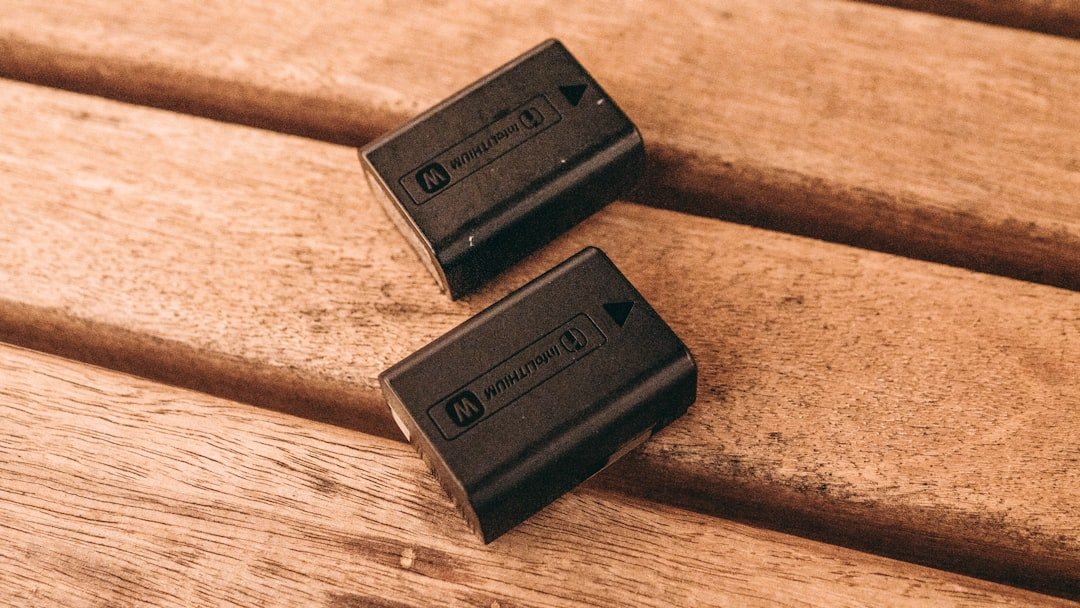
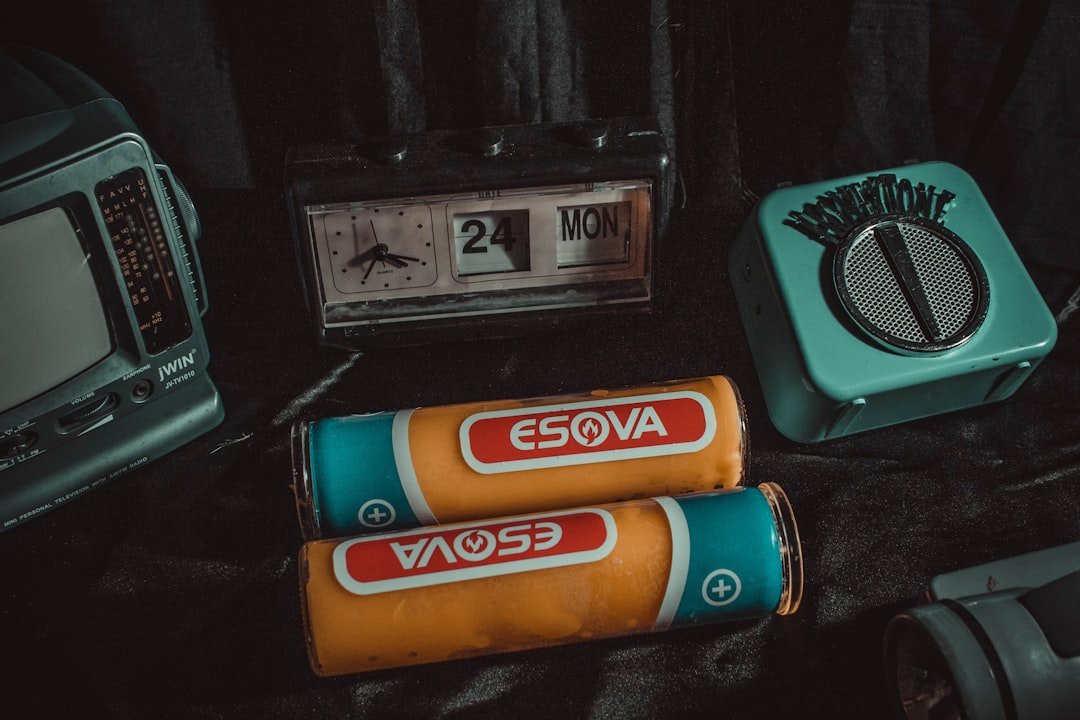
- Disposable AA/AAA: easy to replace in the field; bring spares for multi-day trips.
- Proprietary rechargeable packs: often lighter and longer-lasting but harder to replace in a pinch; check availability.
- Built-in Li-ion with USB charging: convenient for short trips and recharging from power banks or solar panels; assess runtime and charging speed.
Consider standby vs transmit time—radios spend most of their life idle, so claimed battery hours can be misleading. If you need continuous readiness (prep kits, security teams), prefer models allowing battery swaps or using AA cells so you can stock spares.
Durability and ergonomics: where IP rating and fit matter
Match build quality to environment. For construction or fishing, aim for IP67 or higher for water and dust protection plus a robust case. For family use, IP54 is often adequate.
- Check weight, peak audio clarity (loudness), and button layout—gloved hands should still be able to operate jobsite radios.
- Accessories: earpieces, magnetic mounts, and belt clips increase usability. Confirm accessory compatibility if you rely on third-party headsets.
Features that matter—privacy codes, NOAA alerts, and channel capacity
Certain features add practical value:
- NOAA weather alerts: Essential for emergency prep in storm-prone areas; some radios combine two-way functions with weather band receivers.
- Privacy codes / CTCSS/DCS: These reduce accidental listening and interference but do not provide encryption—useful in crowded channels.
- VOX (hands-free): Handy for activities like boating but can cause accidental transmissions if sensitivity is high.
- Channel memory and scanning: Scanning multiple channels and saving favorites is useful for events or coordinating with other groups.
When to buy FRS vs GMRS vs professional radios
If you never want a license and your group stays close, FRS is the simplest choice. For longer range and better penetration in varied terrain choose GMRS—remember the license requirement. Professional or commercial radios (UHF/VHF, PMR for Europe) are best for mission-critical work where durability, accessories, and certified performance are required.
Practical product suggestions
Below are two straightforward options that fit common use cases and are well-matched to needs described above.
This DEWALT option is a strong fit for jobsites where durability, clear audio, and extended range in obstructed environments matter. Use it if you need rugged, accessory-friendly radios with higher output.
The Cobra RX680 pair is practical for outdoor recreation and family use: waterproof, user-friendly, and suitable when you want a compact, ready-to-go pair with NOAA features.
- Decide FRS vs GMRS vs commercial based on range needs and willingness to license.
- Pick battery type: swap-in AAs for long trips or built-in Li-ion for daily convenience.
- Match IP/rugged rating to the environment (IP67 for wet jobs, IP54 for casual use).
- Confirm NOAA/weather alert support if used for emergency prep.
- Check accessory availability: earpieces, chargers, belt clips.
- Test ergonomics—button layout and audio level—if you can handle models in-store.
Start by defining where and how you'll use the radios; that single decision tells you whether to pick FRS, GMRS, or a commercial model. After that, choose for battery flexibility, real-world durability, and a small set of useful features (NOAA alerts, privacy codes, accessory support). Prioritize reliability over inflated range numbers.
Do I need a license to use two-way radios?
Not for FRS radios in the U.S., but GMRS requires an FCC license; commercial VHF/UHF systems may need different permissions depending on region and power.
How much range can I expect from a consumer walkie talkie?
Expect 0.5–2 miles in obstructed or wooded areas and up to a few miles in open terrain; advertised maximums are rarely realistic.
Are NOAA weather alerts important?
Yes for emergency preparedness and outdoor users in severe-weather areas—NOAA alert-capable radios can warn you of incoming hazards even when cell service is down.
Is it better to have AA batteries or a rechargeable pack?
AA cells are easier to replace in the field and are a good choice for multi-day trips; rechargeable packs and USB charging are more convenient for daily use or quick top-ups.
Can privacy codes secure my conversations?
No—privacy codes (CTCSS/DCS) simply filter out other users on the same channel; they don’t encrypt transmissions and are not secure for sensitive information.