 Wishlist
Start with the result: a warm, safe living space while minimizing fuel and risk
If your goal is to consistently stay warm off grid this winter, prioritize stopping heat loss, choosing a heat source that fits your power and refueling options, and protecting water and ventilation. You can safely ignore trendy gadgets that promise miracles; what matters are durable seals, predictable fuel, and simple routines that match your site and skills.
Choose the right heating strategy for your situation
Match heat source to three constraints: available energy (wood, propane, solar/electric), how long you’ll be off-grid, and safety/ventilation capability. Common, reliable options:
- Wood stove: Best for remote, long winters where dry fuel is available. High heat, low electrical need, but needs chimney clearance and proper installation.
- Propane space heater: Good for smaller cabins and intermittent use; fast heat, portable, but needs safe ventilation and stored fuel cylinders.
- Electric heat (resistive or heat pump): Works when you have solar+battery capacity or a generator; efficient thermostats help but grid-level loads can be large.
- Combination approach: Wood for baseline heating; propane or electric for quick boosts or backup during extreme cold.
Pick the simplest primary system you can maintain. If wood is your choice, factor in daily chopping and dry storage; for propane, have supply redundancy and CO detectors.
Cut heat losses first—insulation and airtightness
Before adding more heat, reduce how much you need. Focus on the biggest leak points:
- Ceiling and roof: Heat rises—insulate attics and add an insulated hatch if you use one.
- Doors and windows: Use quality weatherstripping, a storm door, and heavy insulated curtains or window quilts at night.
- Floors over unheated spaces: Add underfloor insulation or rugs and a sealed skirt around crawlspaces.
- Wall gaps and penetrations: Seal drafts around plumbing, electrical, and vents with caulk and foam.
R-values matter less than eliminating drafts. A sealed, modestly insulated cabin can stay comfortable on far less fuel than a leaky one.
Manage ventilation and indoor air safety
Keeping air fresh while retaining heat is a balance. Never seal wood stoves or gas heaters without ensuring combustion air. Actions to take:
- Install a CO detector and test batteries regularly.
- Provide dedicated combustion air for wood stoves or propane appliances; a small, closable outside vent near the floor often works.
- Use periodic short bursts of cross-ventilation after cooking or if humidity spikes to avoid condensation and mold, but keep it brief in extremes.
Efficient wood heating: practical tips
If a wood stove is your main heat, these measures improve comfort and lower fuel use:
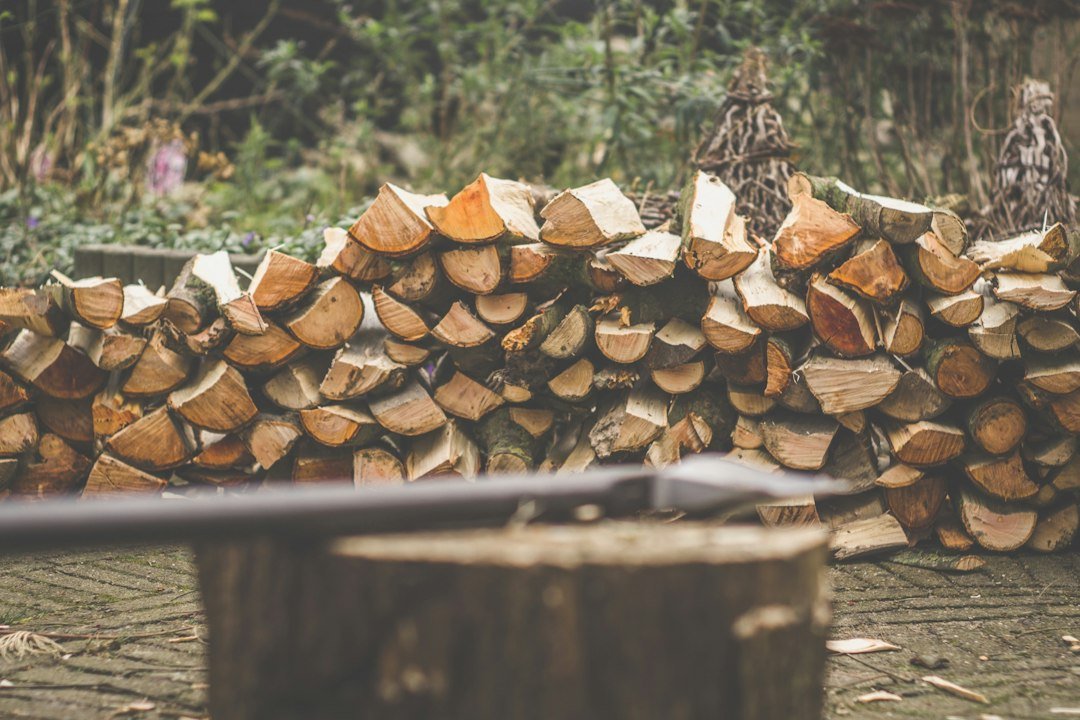
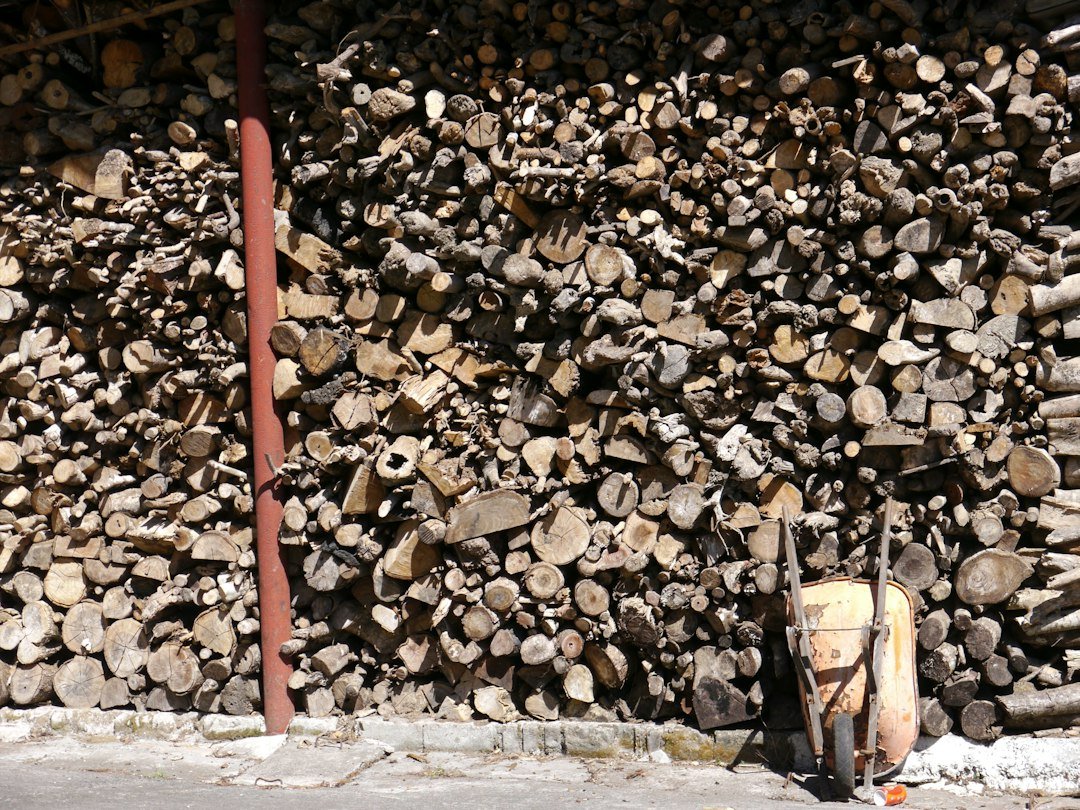
- Use properly seasoned wood (under 20% moisture). Wet wood gives less heat and creosote buildup.
- Size the stove to your volume—oversized stoves overheat and cycle inefficiently; undersized ones force overfiring.
- Maintain the flue: sweep annually and inspect for leaks or gaps; a tight flue improves draft and reduces smoke inside.
- Run low, steady fires overnight by banking coals and using smaller air settings rather than repeated large fires.
Propane and portable heaters: set up and safety
Propane is convenient but requires planning:
- Store cylinders upright outdoors on a stable surface and keep an inventory that covers prolonged cold snaps.
- Choose blue-flame, vented heaters for continuous use if you can install a proper vent; unvented heaters increase humidity and CO risk.
- Use flashback prevention fittings and practice safe changeover procedures; keep spare O-rings and a regulator wrench in a fuel kit.
Electric heating with limited power: prioritize and control
When relying on solar+battery or a generator, heat is the largest load. Make it work by:
- Prioritizing low-watt, high-effect measures—thermal curtains, insulating doors, and zone heating (heat one room).
- Using thermostatic or smart controllers to run heaters during peak solar or right after generator runs.
- Considering oil-filled radiators or ceramic space heaters that retain heat longer than fan-forced heaters.
If you expect nights below battery capacity, design the system to run a small heater intermittently and use passive insulation for the rest.
Protect water and plumbing from freezing
Frozen pipes are one of winter’s costliest failures. Defend your water with layered tactics:
- Insulate exposed pipes and use heat tape on vulnerable runs. Wrap exposed outdoor spigots.
- Keep internal pipe runs on the warm side of insulated walls and allow a small trickle from faucets during extreme cold to prevent stagnation freezing.
- Have a plan to shut off and drain external lines and an alternative water source (jugs or stored containers) should plumbing fail.
Fuel and supply planning: redundancy is comfort
Make fuel a routine, not a crisis. Practical checks:
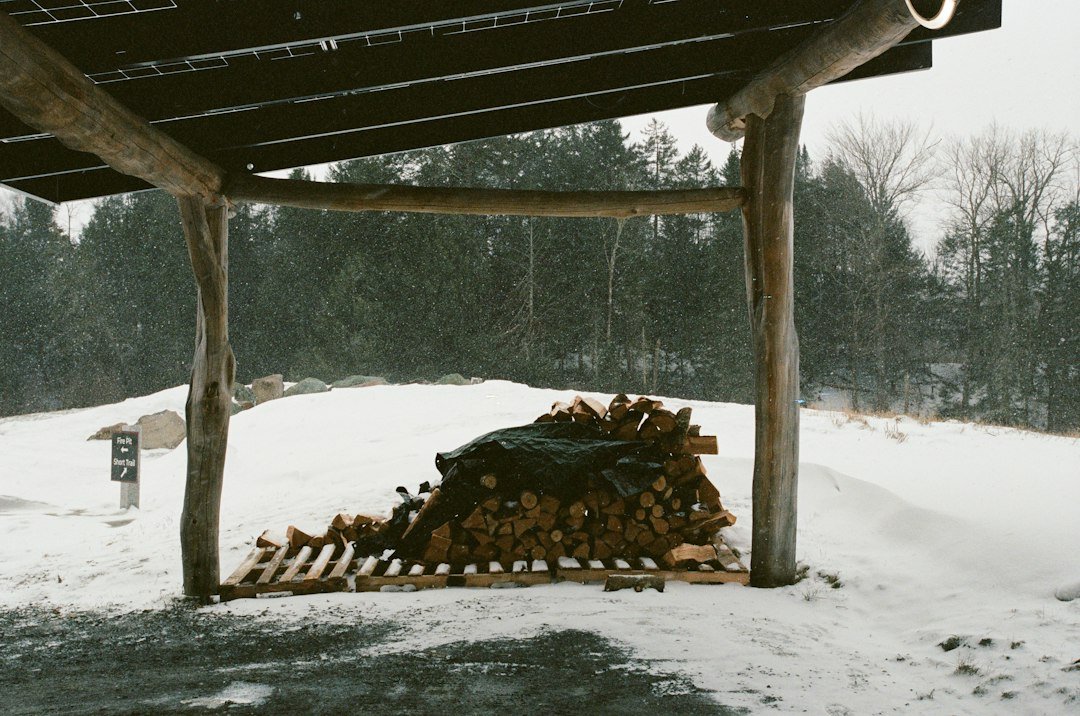
- Maintain at least 2–4 weeks of primary fuel on-site (season length affects this). For remote properties, more is prudent.
- Stock backup lighting, lighters, firestarter, spare stove parts, and basic chimney cleaning tools.
- Practice a simple weekly routine: check wood dryness, propane gauge, battery state, and clear roof snow from panels if you have solar.
Daily routines and small habits that conserve heat
Small, repeatable behaviors add up:
- Warm-up tasks: start the day with a short, hotter fire and then throttle down.
- Close off unused rooms and hang insulated blankets or temporary doors.
- Use clothing and bedding layers—wool or synthetic base layers, insulated slippers, and a good sleeping bag for overnight warmth.
Troubleshooting common winter problems
- Smoke backdraft into cabin: check for blocked chimney, downdraft caused by nearby trees or steep rooflines, and poor combustion air. Open a window briefly and get the flue cleaned.
- High indoor humidity with condensation: reduce unvented combustion and use brief ventilation after cooking; add desiccants in storage areas.
- Battery not supporting electric heat: reduce loads, run generator at scheduled times to recharge, and increase insulation to lower demand.
Why this product: A solar shower bag or similar solar-warmed water container is a small but useful winter comfort item—provides warm water for washing without running heaters or risking frozen tanks. Keep it indoors when not in use and use with insulated storage for best effect.
Wrapping up: comfortable wintering off grid
Staying warm off grid is less about finding a single perfect gadget and more about matching your heat source to fuel access, stopping the biggest heat losses, and practicing predictable routines. With a sealed living space, reliable fuel supply, and attention to ventilation and plumbing, you’ll reduce risks and fuel consumption while staying comfortable through the season.
- Confirm primary heat source and have at least 2–4 weeks of fuel on site.
- Seal major drafts: attic hatch, doors, windows, and floor gaps.
- Install CO detector and test combustion air/venting for heaters.
- Insulate exposed pipes and prepare an emergency water supply.
- Schedule flue/chimney inspection and clean before peak season.
- Pack spare heater parts, firestarters, and basic tools in an accessible kit.
Focus first on reducing heat loss, then choose the simplest, maintainable heat source for your fuel situation. Combine good insulation, safe ventilation, and routine fuel checks to keep a small off-grid home reliably warm through winter.
Can I rely on space heaters alone when off grid?
Only if you have guaranteed electric supply (solar+battery sized for heating or reliable generator fuel). Otherwise, use space heaters for supplemental heat while a non-electric baseline (wood or vented gas) covers continuous needs.
How much seasoned wood will I need for winter?
It varies by climate and insulation, but a modest, well-insulated cabin often needs one to three cords per winter; remote colder sites can require more—plan conservatively and factor in stove efficiency.
Is an unvented propane heater safe for a small cabin?
Unvented heaters increase indoor humidity and CO risk; they can be safe for short-term use with a CO detector and careful ventilation, but vented appliances are preferable for continuous heating.
How do I prevent frozen solar panels or generators from failing?
Keep panels clear of heavy snow where practical, tilt to shed snow, and locate batteries in a protected, insulated enclosure. For generators, store fuel properly and run maintenance cycles before extreme cold.
What’s the single biggest mistake people make off-grid in winter?
Underestimating heat loss through drafts and roof/attic; even small gaps can double fuel needs. Fixing airtightness is usually the highest-return improvement.