 Wishlist
What matters—and what you can ignore
If your question is how to keep food cold without electricity, the single practical metric is maintaining safe temperatures: perishable foods should stay at or below 40°F (4°C) to slow bacterial growth. Ignore fancy brand claims and gadgets that don’t measure or control temperature; focus on methods that actually lower or stabilize temperature, reduce warm-air exchange, and keep food dry and sealed.
End result first: safe, cold food for the time you need
For short outages (hours to a few days), use insulated coolers with block ice, layered packing and minimal opening. For medium-term cold storage (days to weeks), combine evaporative cooling, buried/root-cellar strategies and efficient food rotation. For long-term off-grid storage, use dehydration, vacuum sealing and dedicated solar refrigerators if you need refrigeration-grade temperatures consistently.
Start here: immediate steps during an outage
- Keep refrigerator and freezer doors closed. A full freezer stays frozen about 48 hours; a half-full one about 24 hours.
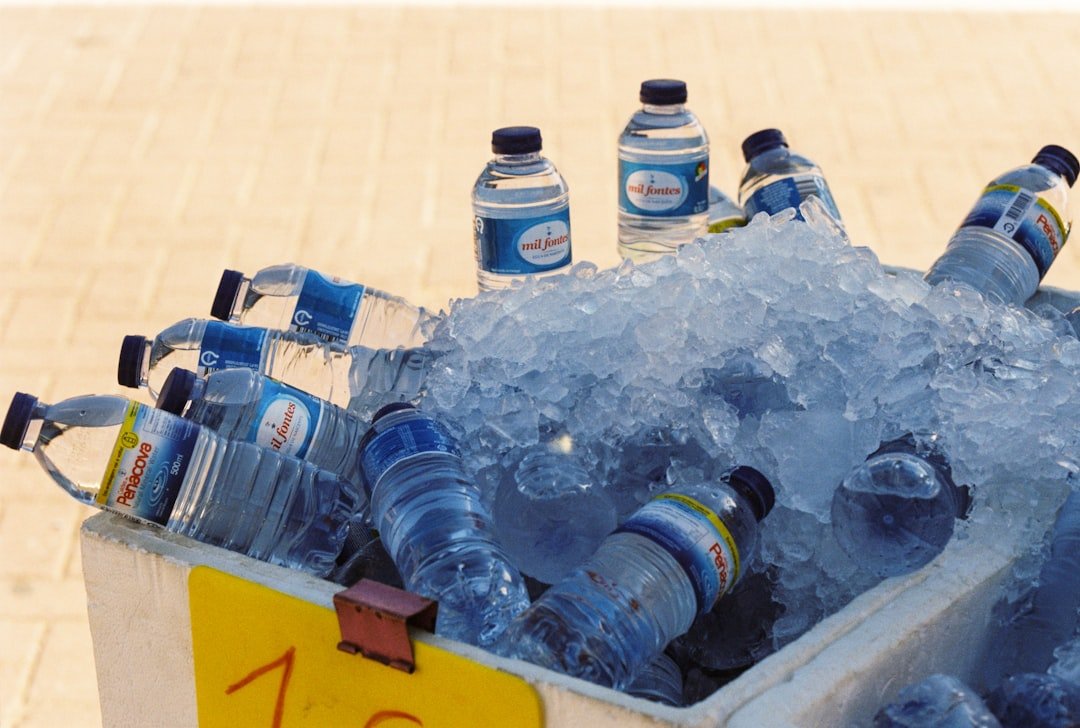
- If you anticipate losing power, freeze water bottles to act as emergency ice blocks—these melt slower than small cubes and serve as drinking water.
- Use a fridge/freezer thermometer so you know when food crosses the 40°F threshold; discard perishable foods that have been above 40°F for over two hours.
Best short-term method: insulated coolers and smart ice management
For keeping perishables cold without electricity for up to several days, nothing beats layering and mass of ice in an insulated cooler.
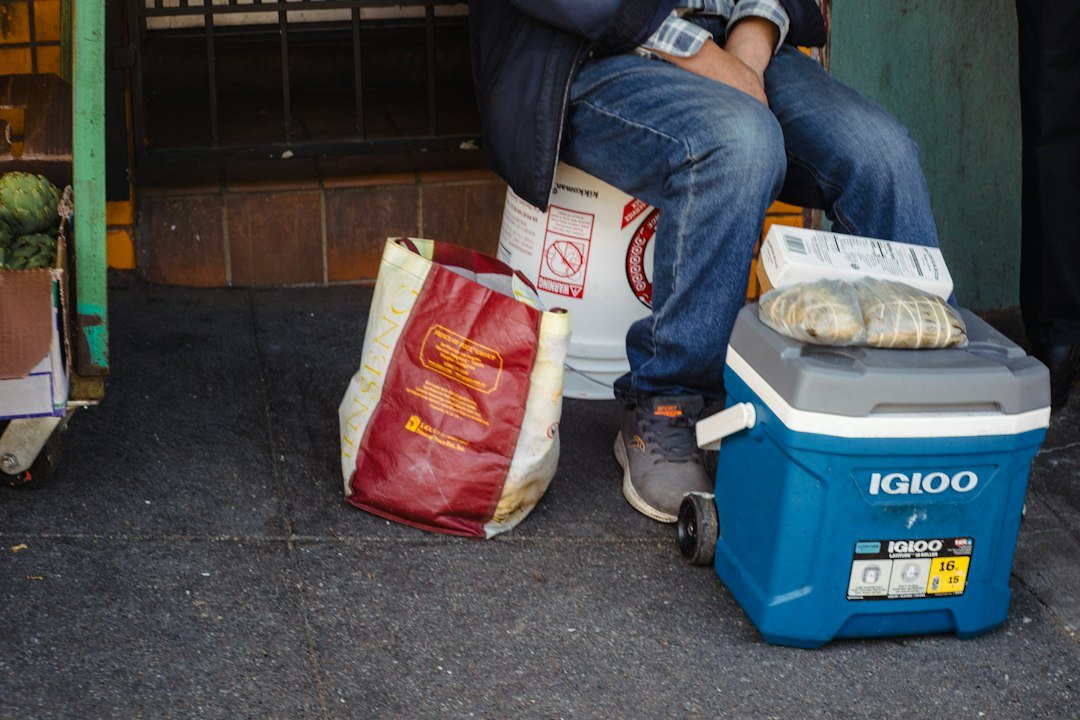
- Choose block ice or frozen gallon jugs first—block ice melts slower than cubes.
- Pack coldest items closest to the ice and group them tightly to reduce air gaps. Put a layer of insulation (towels, foam) on top before closing the lid.
- Limit openings. Open only once or twice daily and plan what you’ll remove in advance.
Tip: use a small cooler for high-turnover items (milk, medication) and a larger one for bulk frozen meats.
[hAZAM_IMAGE placeholder removed by editor]Evaporative cooling and the clay-pot (zeer) fridge
In dry climates, evaporative cooling can keep foods several degrees below ambient temperature. The simplest is a double clay pot setup (zeer): a smaller pot nested in a larger pot with sand between them kept moist and covered with a damp cloth. As water evaporates it pulls heat from the inner pot, often yielding 10–20°F drop depending on humidity.
- Best for fruits, vegetables and dairy short-term; not reliable for raw meat unless temperature stays low enough—use an analog thermometer to check.
- Works poorly in humid climates because evaporation is limited.
Root-cellar and buried cool storage
If you have land or are preparing in advance, an earth-buried root cellar or insulated underground box provides steady cool temperatures year-round. For a simple buried option: a sealed tote or food-grade barrel buried below the frost line, insulated with straw and placed on a small pallet to keep off groundwater, will keep roots and canned goods cool.
- Ventilation: provide controlled vents to avoid excess humidity and mold; use screened vents that can be closed as needed.
- Placement: north-facing and shaded locations hold lower temperatures.
Longer-term solutions: non-electric refrigeration and solar options
If you need refrigeration-grade temperatures routinely without grid power, consider two paths: thermal storage and solar refrigeration.
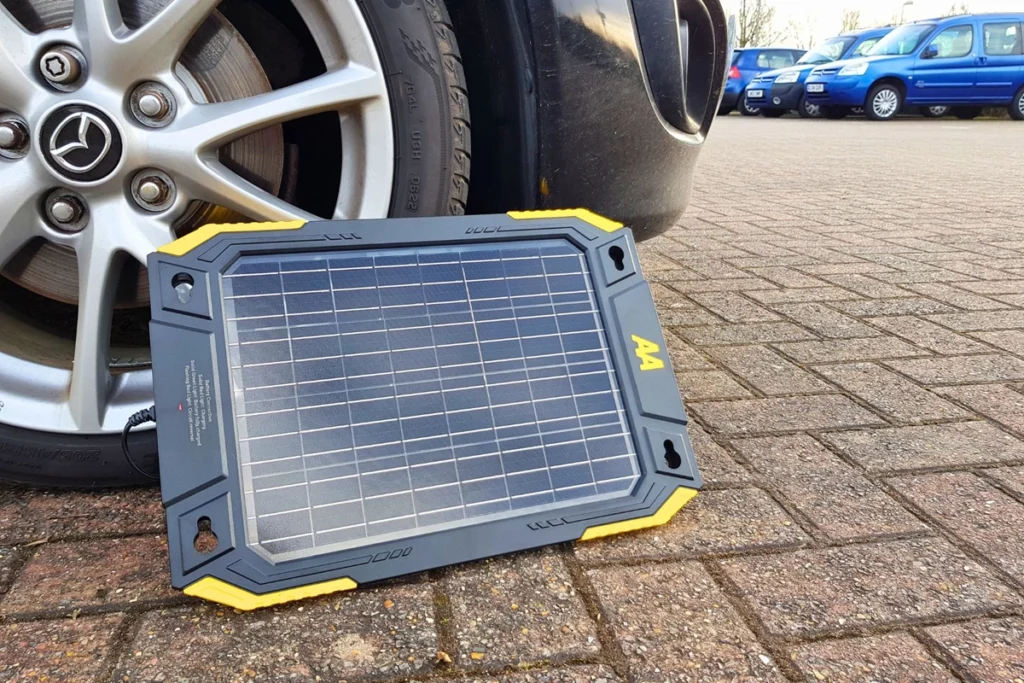
- Solar refrigerators run on DC from solar panels and can maintain fridge/freezer temps with battery buffering or direct-run controllers; they require upfront cost and correct sizing. Use a fridge designed for off-grid DC use for best efficiency.
- Thermal mass systems (large blocks of ice or eutectic plates) can be frozen when solar or generator power is available, then used as steady cooling during outages.
Preservation alternatives so “cold” isn’t required
When keeping low temperatures is too difficult, preserving food so it’s safe at room temperature is often the better choice:
- Dehydration: removes moisture to prevent spoilage—good for meat, fruit, vegetables. A food dehydrator (or oven-dehydration) plus vacuum sealing extends shelf life significantly.
- Pickling, fermenting and canning: these methods store produce and proteins safely without refrigeration.
Why this product: a top-ranked food dehydrator provides a reliable way to reduce reliance on refrigeration by converting perishable items into shelf-stable food.
Food safety rules and quick checks
- Use a food thermometer: cold is a number—keep perishables ≤40°F (4°C). If you can’t measure, err on the side of discarding high-risk items (eggs, dairy, meat) after two hours of confirmed warmth.
- Keep raw meat separate and sealed to avoid cross-contamination when using coolers or root-cellar spaces.
- Watch humidity: too much moisture promotes mold; too little dries out produce. Use breathable storage for root vegetables and sealed containers for meats/cheeses.
Troubleshooting common problems
- Warm cooler after a day: add more block ice, move cooler to shade, wrap cooler in a blanket for extra insulation, and avoid repeated openings.
- Damp root cellar and mold: increase ventilation and place silica packets or wood ash to absorb excess moisture temporarily.
- Evaporative fridge not cooling: check sand moisture and ambient humidity; if humidity is high, rely on coolers or buried storage instead.
- Close fridge/freezer doors and check thermometer reading.
- Move high-priority perishables into a well-packed insulated cooler with block ice.
- Freeze water in containers ahead of outages for ice and drinking water.
- Prepare non-refrigerated preservation (dehydration, canning) for longer outages.
- Label and rotate food; discard items that spent >2 hours above 40°F.
Choose the method that matches outage length and climate: insulated coolers and block ice for short outages, evaporative or subterranean cool storage for medium terms, and dehydration or solar refrigeration for sustained off-grid needs. Always use a thermometer and prioritize food safety over keeping questionable items.
How long will food stay safe in a freezer without power?
A full freezer typically holds safe temperatures for about 48 hours; a half-full freezer around 24 hours, assuming doors remain closed.
Can I keep milk safe in a cooler?
Yes, packed with block ice and kept below 40°F; use a small dedicated cooler to reduce opening frequency and check with a thermometer.
Is a clay-pot fridge effective in humid climates?
No—evaporative cooling loses efficiency in high humidity. Use buried storage or coolers instead in those conditions.
When should I discard refrigerated food after a power outage?
Discard perishable foods that have been above 40°F for more than two hours; when in doubt, throw it out.
Are solar refrigerators worth the cost for occasional outages?
For occasional outages, solar fridges are expensive; they make sense if you need reliable refrigeration off-grid frequently or for critical items (medication, baby formula).