 Wishlist
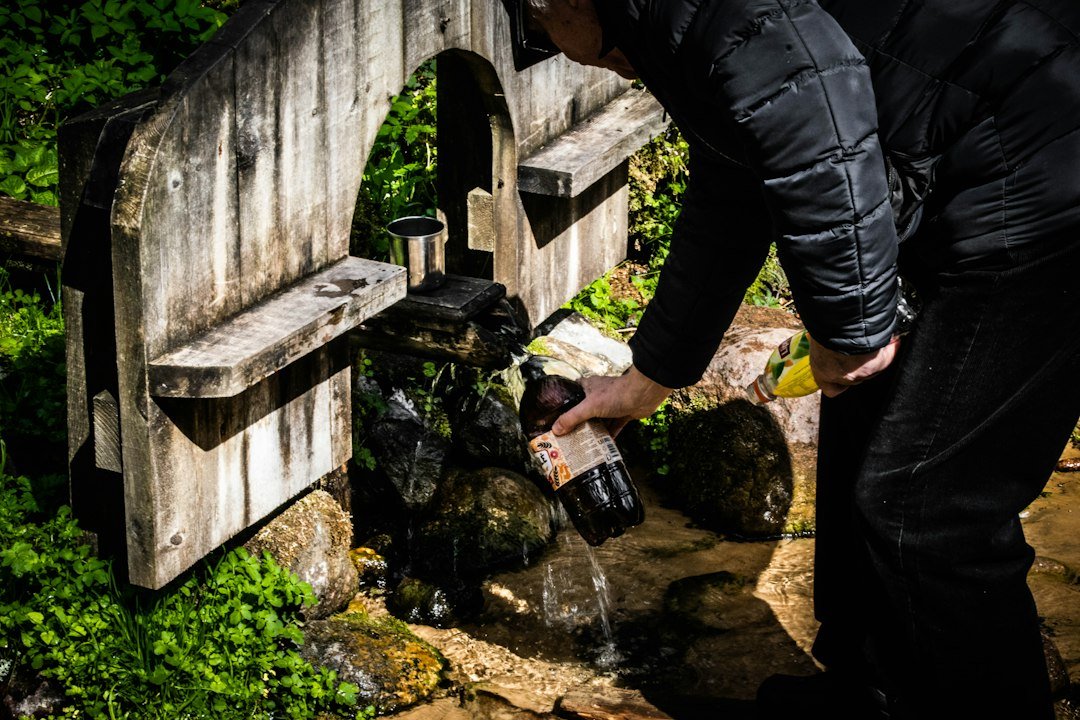
Start with the result: safe, drinkable water without surprises
If you need safe drinking water off grid, your goal is straightforward: remove visible debris, eliminate pathogens, and if possible improve taste. That usually means a sequence—clarify, disinfect, store—that matches the source and your gear. Below is a practical order you can use at a creek, pond, rain catchment or stored tank.
Assess the source quickly and choose a treatment path
First, decide whether you’re dealing with clear running water, murky/silty water, or water likely contaminated with sewage/animal waste. That choice determines whether simple disinfection (boiling, chemicals, UV) will do or whether you must filter first.
- Clear spring/stream water: usually filter + disinfect or just a high-quality filter if it includes a sub-micron membrane.
- Murky/silty water: must be pre-filtered (cloth, settling, or a sediment filter) before chemical or membrane treatment.
- Suspected sewage or heavy contamination: combine mechanical filtration, chemical disinfection, and, if available, UV for redundancy.
Step-by-step process: clarify, filter, disinfect, store
1. Clarify — remove solids and lower turbidity
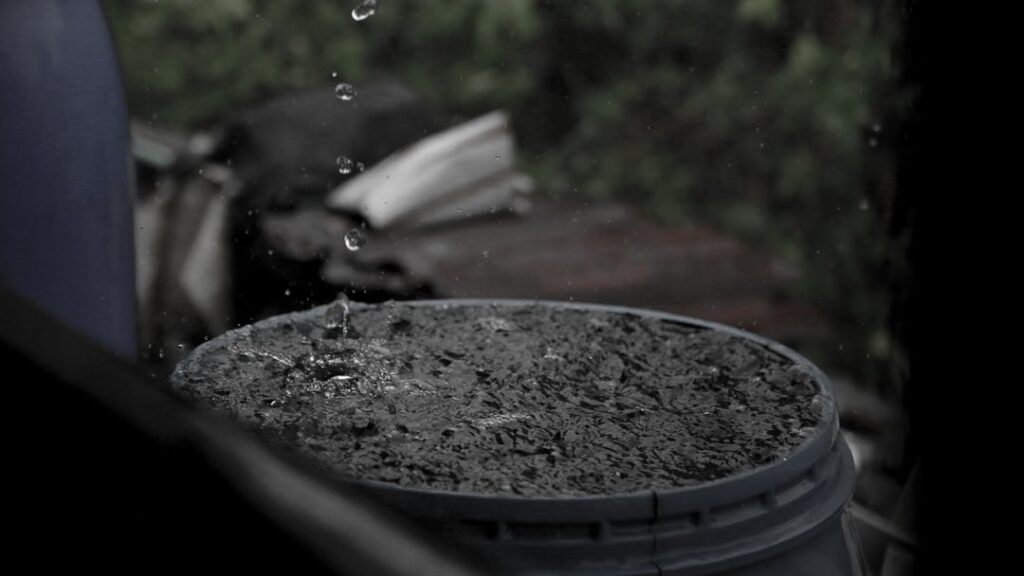
Start by letting turbid water settle in a bucket for 1–12 hours; solids will sink. If you can’t wait, strain through a tight-woven bandana, T-shirt, or a coffee filter into a clean container. Clarifying is essential because sediment blocks filters and reduces chemical/UV effectiveness.
2. Filter — remove protozoa, bacteria, and particulates
Choose a filter appropriate for your needs:
- Hollow-fiber or ceramic filters (0.1–0.3 micron) remove protozoa and most bacteria; some reduce viruses poorly. Good for streams.
- Gravity filters are low-effort for basecamp use; pump filters work when you need flow or portability.
- Multi-stage filters with carbon will improve taste and remove some chemicals but don’t replace disinfection for viruses.
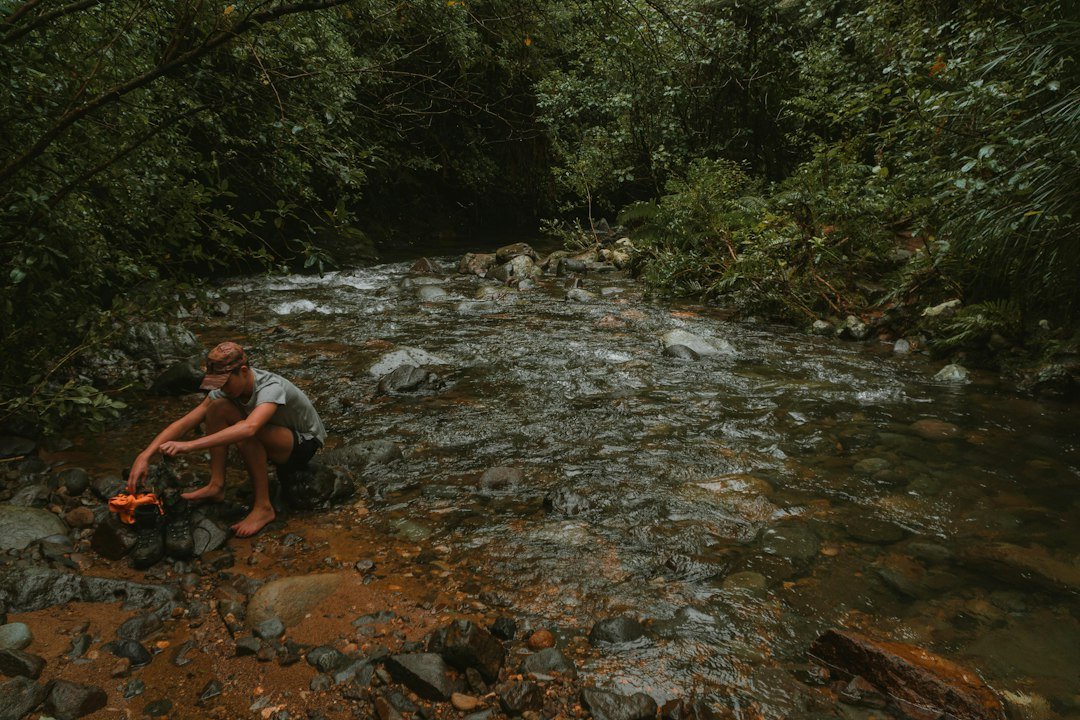
3. Disinfect — kill viruses and remaining microbes
After filtering, use one of the following depending on fuel, power and time.
- Boiling: Bring water to a rolling boil for 1 minute (or 3 minutes above 2,000 meters). Boiling reliably inactivates bacteria, protozoa and viruses but requires fuel.
- Chemical disinfectants: Use chlorine dioxide tablets (e.g., Aquatabs) or household bleach. Chlorine dioxide is faster and effective against crypto; typical dosing instructions on the product matter—follow them exactly. Bleach (unscented, 6%–8.25% sodium hypochlorite): ~8 drops (≈0.5 ml) per liter and wait 30 minutes if water is clear; double dose and wait 60 minutes if cloudy.
- UV purifiers: Battery or solar-rechargeable UV pens (Steripen-style) are fast and compact; prefilter if turbid since UV needs clear water.
4. Store safely — avoid recontamination
Use food-grade containers, keep them sealed, label with treatment date, and rotate supply every 6–12 months. For gravity systems, keep the clean side elevated and fully covered. If you store long-term, consider using small residual chlorine doses to inhibit regrowth (follow product guidance).
When to combine methods and why redundancy matters
Off-grid environments are variable: heavy rains can overwhelm a spring; wildlife can contaminate a pond. Combining filtration with chemical or UV disinfection gives layered protection—mechanical removal lowers turbidity, then chemicals/UV inactivate remaining pathogens. In suspected sewage contamination, do all three if possible.
Troubleshooting common problems
Cloudy water after treatment
Likely residual sediment or mineral precipitation. Re-filter through a tighter filter or use a cloth. If turbidity persists, don't rely on UV or chemicals alone.
Bad taste or chlorine odor
Let water sit in an open, covered container for a few hours or run through activated carbon. For chlorine, aerate by pouring between containers.
Filter flow has slowed
Backflush according to the filter's instructions, scrub ceramic elements, or prefilter more carefully. Replace cartridges when manufacturer life is reached—don’t extend indefinitely.
Gear and a recommended product
Prioritize: a durable primary filter, a chemical disinfectant, and a compact boil-capable stove or pot. For a single compact chemical option that suits off-grid use, this guide recommends Aquatabs for emergency disinfection because they’re stable, lightweight and have clear dosing instructions.
Choosing the right method for common scenarios
- Hiking for a day: carry a pump or hollow-fiber filter and UV pen as backup.
- Small off-grid cabin: install a gravity filter for daily use and keep chemical tablets as redundancy.
- Long-term homestead using surface water: combine a sediment prefilter, a membrane or ceramic filter, then chlorinate or use UV for viruses.
- Identify source type: clear, turbid, or sewage-impacted
- Have at least one mechanical filter and one disinfection method
- Carry prefilters (cloth/bucket) for turbid sources
- Practice boiling and chemical dosing before you need them
- Keep storage containers clean, labeled and sealed
- Replace filter cartridges and test gear regularly
Purifying water off grid is a predictable sequence: clarify first, filter to remove solids and microbes, then disinfect to inactivate viruses, finishing with clean storage. Pick methods that match your fuel and power constraints and always have at least one backup.
Can I rely on a single water filter for everything?
Not always. Many filters remove bacteria and protozoa but not viruses; in high-risk situations combine filtration with chemical disinfection or UV.
How long should I boil water for safety?
Bring to a rolling boil for 1 minute at sea level; at elevations above 2,000 meters boil for 3 minutes.
Are water purification tablets safe for long-term use?
Yes when used as directed for emergency or travel use. For daily household use, taste and long-term chemical residues may be a concern—consider using them as backup.
How do I treat very murky water?
Settle and decant, then prefilter through cloth or a sediment cartridge before applying a membrane filter or disinfection; turbidity reduces effectiveness of chemicals and UV.
Should I keep residual chlorine in stored water?
A small residual (very low ppm) can inhibit microbial regrowth for stored water; follow product instructions and avoid over-chlorination.