 Wishlist
When you notice the lawn hose keeps filling the buckets after a storm
Most people first consider rainwater harvesting when a heavy shower leaves a garden soggy and the idea of free water seems obvious. The main answer: rainwater harvesting is collecting precipitation from roofs or other catchment surfaces into storage for later use; for beginners, start small with a rain barrel, route gutters and downspouts properly, and add simple filtration for non-potable uses. From there, scale up only when you understand roof safety, storage sizing and local rules.
What a basic rainwater system looks like and what it will do
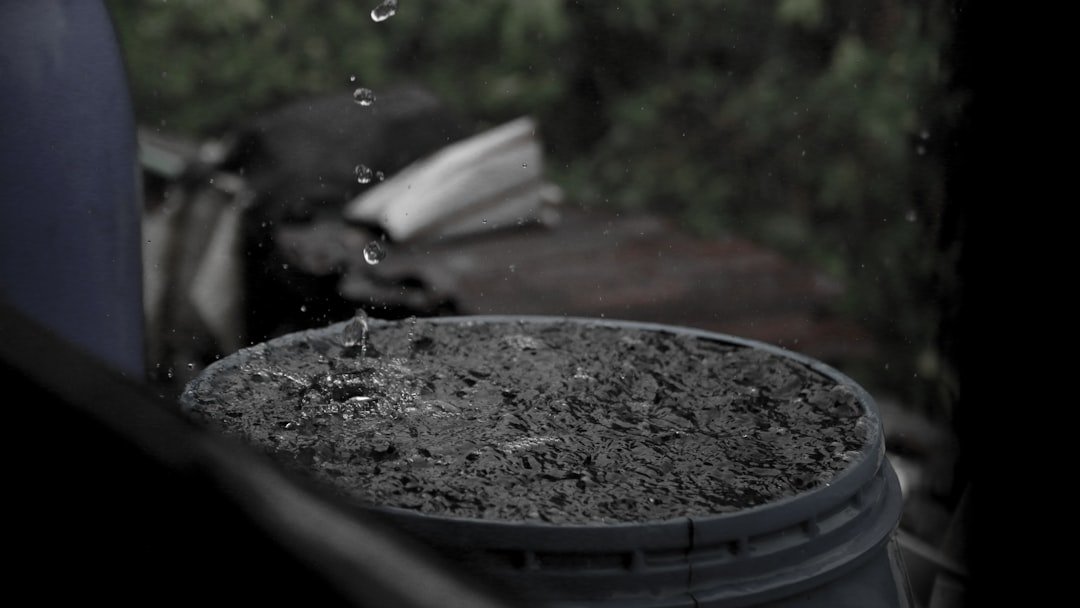
A simple system has four parts: a catchment surface (typically a roof), gutters and downspouts to channel water, a first-flush/leaf screen to keep large debris out, and a storage container (barrel or tank). With those you can reliably supply water for watering vegetable beds, flushing toilets (with extra plumbing), washing cars, or emergency uses. Most beginners use rain barrels (50–100 gallons) placed under a downspout; they’re cheap, easy to install, and low maintenance.
Deciding what you want to use the water for
Before buying anything, decide permitted uses. Rainwater is generally fine for irrigation, washing exterior surfaces, or feeding livestock (check species-specific guidance). For household potable uses—drinking, cooking, showering—you need rigorous filtration, disinfection, and often permits. If your goal is garden irrigation, you can keep the system simple; if you want potable water, plan for filtration systems, storage materials approved for drinking, and likely professional plumbing.
Choosing the right catchment and checking roof safety
Most homes use the roof as the catchment area. Consider roof material: painted metal, tile, and some asphalt shingles are commonly used, but avoid roofs treated with asbestos, tar-based coatings, or lead flashing if you plan close-contact uses. Steep roofs collect faster; smooth surfaces shed debris better. Inspect gutters for leaves and bird nests—good screens and regular cleaning reduce contamination and maintenance.
Sizing storage simply (rule-of-thumb)
Estimate need with two quick numbers: roof area (square feet) and annual rainfall (inches). One inch of rain on 1,000 sq ft yields about 623 gallons. For homeowners, a single 50–100 gallon barrel supports watering during short dry spells; for seasonal self-reliance, scale to thousands of gallons. Prioritize storage that fits your water-use goals and budget—bigger tanks reduce pump cycling and give more buffer, while multiple barrels are modular and easier to install.
Basic components you’ll want
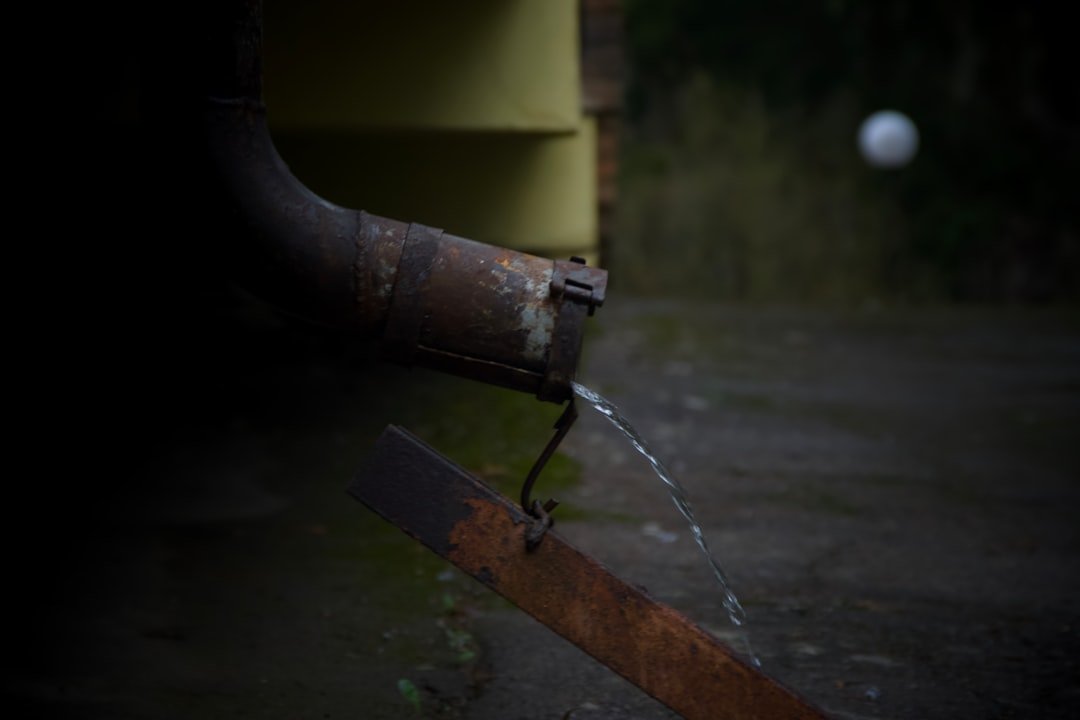
- Gutters and downspouts sized to roof run-off
- Leaf screens and a simple first-flush diverter to send initial dirty water away from the tank
- Storage: food-grade plastic barrel or polyethylene tank for non-potable uses; consider underground dry wells for stormwater infiltration (product ID 2794 is a typical option for underground stormwater management)
- Outlet spigot at the barrel for gravity-fed watering or a small pump for garden hoses and home plumbing
Maintenance and water quality basics
Routine checks are simple but important: clean gutters and screens every season, inspect for algae in open tanks, and drain and sanitize tanks before long storage periods. For irrigation, a coarse mesh (1–2 mm) and first-flush device remove leaves and most organic material. If water smells, has visible green algae, or will be used indoors, add treatment: sediment filtration, activated carbon, and UV or chlorine disinfection as appropriate.
Permits, local rules and health considerations
Check local regulations—some places restrict rainwater collection or require backflow prevention if you connect harvested water to household plumbing. Health is the biggest limiter: avoid using harvested roof water for drinking without certified filtration and regular testing. For community water systems, never cross-connect rainwater to potable pipes without an approved air gap and backflow device.
When to choose a professional install
If you plan a system that connects to household plumbing, supplies indoor uses, or uses large aboveground or underground tanks, hire a plumber or certified installer. They handle plumbing codes, pump sizing, and safe tank siting. Small garden systems can be DIY, but follow manufacturer instructions for fittings and ensure secure, level placement for heavy tanks.
Product suggestion for underground stormwater handling
Use-case: you need a robust, code-friendly solution to manage heavy runoff and free up surface area. Consider an underground dry well designed for stormwater management rather than a storage barrel if infiltration is your goal.
Scaling up: from barrels to tanks
If you move beyond barrels, weigh trade-offs: larger polyethylene tanks cost more and need a firm base and possibly a permit, but they cut maintenance and extend supply. Underground tanks and dry wells free yard space and reduce aesthetic impact, but add installation cost. Add pumps and pressure tanks if you need steady water pressure for taps or irrigation systems.
Small, practical tips beginners often miss
- Place the barrel on a sturdy, level platform to improve gravity flow and avoid damage.
- Fit a screened overflow to route excess safely into a rain garden or storm drain.
- Install a shutoff valve and a simple inline mesh filter near the outlet to protect pumps and hoses.
- Label the water as “non-potable” if used only for irrigation to avoid accidental use.
- Confirm legal rules and backflow requirements in your area.
- Inspect roof material for safety with intended uses.
- Select a rain barrel or tank sized for your watering needs.
- Install gutter screens and a first-flush diverter.
- Provide a stable base and overflow path to avoid erosion.
- Plan for simple maintenance: seasonal cleaning and inspection.
For most beginners, a single rain barrel with good gutter protection and a first-flush device covers garden needs and is an easy first step. Only scale up or add disinfection if you plan indoor or potable uses, and always check local rules before plumbing in.
Do I need a permit to collect rainwater?
Some jurisdictions allow basic collection without a permit; others have restrictions or require backflow prevention for systems tied to household plumbing—check local codes first.
Can I drink rainwater from my roof?
Not without proper filtration and disinfection; roof materials and bird droppings can contaminate water. Use certified treatment and testing for potable use.
How often should I clean my barrel and gutters?
Clean gutters and screens at least twice a year; empty and rinse barrels seasonally or if you see algae, sediment buildup, or odor.
Is a pump required for a rain barrel?
Not for basic watering—gravity can feed a hose if the barrel is elevated. Pumps are needed for steady pressure or indoor connections.
What is a first-flush diverter and do I need one?
It diverts the initial, more-contaminated runoff away from storage; it’s strongly recommended to reduce debris and contamination entering your tank.