 Wishlist
Bottom line: Start with water, power, food and communications—then layer sanitation, heating/cooling and security into practical plans you can test and scale.
If the electrical grid is down for days to weeks (or longer), the immediate life-critical needs are safe drinking water, the ability to cook and preserve food, reliable communications, and basic sanitation. Treat those four areas as priorities, then add backup power, temperature management and neighborhood coordination so your household can be resilient without constant external help.
Assess where you are now and what must work first
Quickly map your vulnerabilities. Ask: how long can I go without treated water? Do I have a reliable stove that doesn’t rely on electricity? Can at least one phone be charged? If you live in an apartment versus a rural home your solutions will differ. Make a short written list of the most urgent failure points (water pump, refrigerator, heating, medication refrigeration, caregiving needs) so you can target resources.
Secure a multi-tier water plan
Water is the top priority. Aim for three layers: immediate potable supply, short-term resupply, and long-term treatment.
- Immediate: Store at least 1 gallon per person per day for drinking and minimal hygiene; plan for 14 days as a realistic minimum for an extended event. Use food-grade jugs or water barrels; rotate every 6–12 months.
- Short-term resupply: Keep several water filters (pump, gravity or straw-style) and chemical tablets. Filters handle turbidity; tablets are lightweight backups.
- Long-term: If you depend on a well with an electric pump, add a manual hand pump adapter or a small solar-powered pump. Learn how to safely boil and disinfect surface water.
Plan power around what must run, and for how long
Identify critical loads: phone charging, lights, a small refrigerator (if needed for medicine), and a way to cook. Design a layered approach:
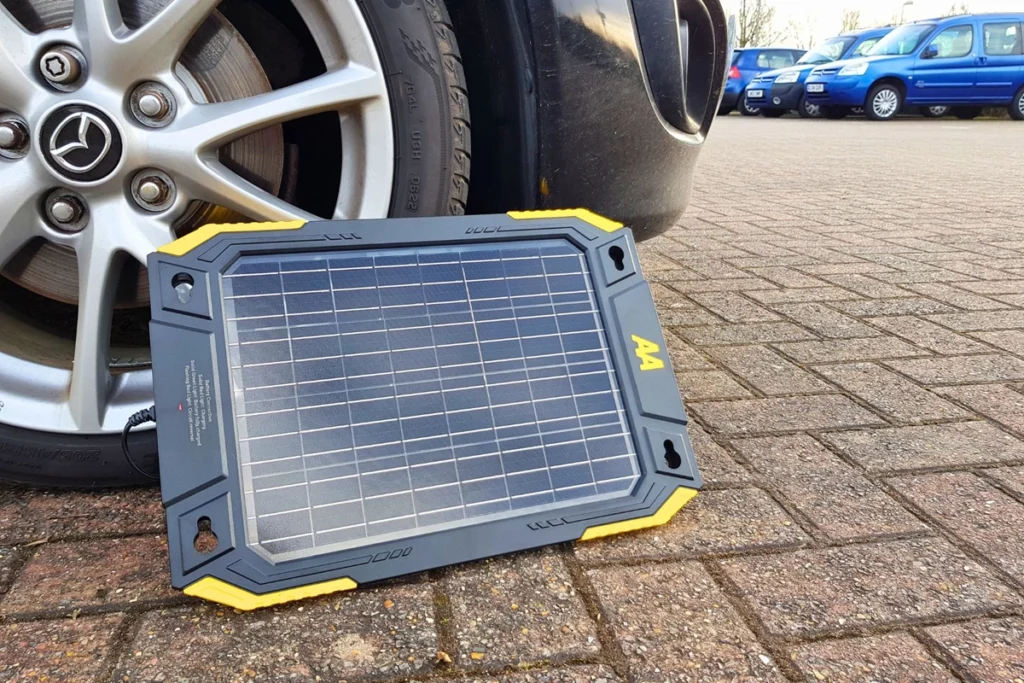
- Tier 1 — Small, efficient battery packs and a solar charger for phones and radios. These are lightweight and usable daily.
- Tier 2 — A portable power station (if you have one) sized for 500–1500Wh to run small appliances intermittently and recharge from solar. Keep it in a ventilated place.
- Tier 3 — Fuel-based generators (if you can store fuel safely) for heavier loads. Test them first and store fuel following local regulations.
Conserve power: shift to LED lighting, time appliance use, and unplug nonessential items. If refrigeration is essential (medications), prioritize dedicated battery/inverter capacity or a propane refrigerator where legal.
Food strategy: combine ready-to-eat with basic food skills
Bulk emergency food buckets are useful, but also maintain a working pantry and skills to cook without electricity.
- Ready-to-eat: Keep a 2–4 week supply of calorie-dense, shelf-stable foods (canned goods, dehydrated meals, peanut butter, hardtack). Include favorites to reduce stress-related appetite loss.
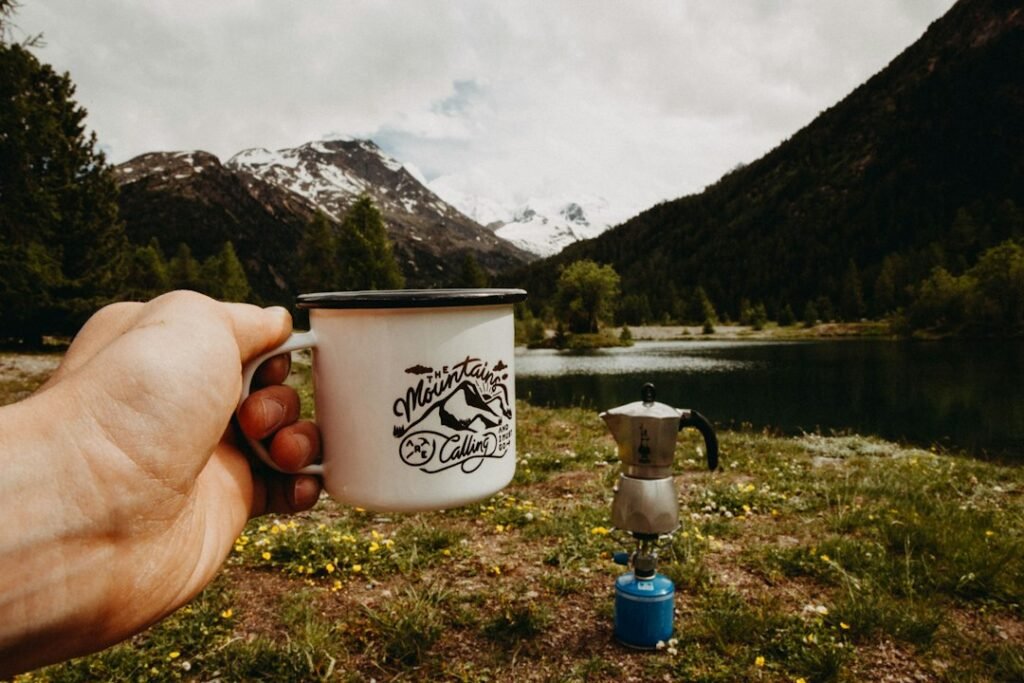
- Cooking options: Have at least two non-electric cooking methods—camp stove with fuel and a propane or wood-fired cooker. Test them outdoors and store appropriate ventilation and firefighting tools.
- Preservation: Learn canning, root storage, smoking, or salting if extended isolation is likely. A chest cooler with block ice can buy time for perishable items.
Sanitation and health: low-tech solutions that prevent crises
Sanitation failures escalate illnesses fast. Prepare for sewer or water-treatment interruptions.
- Portable toilet plan: designate a chemical or bucket toilet with liners and absorbent material; store sealable waste containers and disinfectant.
- Hygiene supplies: stock soap, hand sanitizer (60%+ ethanol or isopropyl), bleach, feminine hygiene supplies and diapers if needed.
- First aid and meds: keep a well-supplied first aid kit, copies of prescriptions, and a small supply of essential meds with storage instructions (temperature-sensitive meds need prioritized power or coolers).
Communications and information: stay informed and connected
Have multiple ways to receive alerts and communicate. A battery/solar-powered NOAA weather radio and at least one crank or battery-powered AM/FM radio is essential. Keep a list of phone numbers written on paper and teach household members basic radio operation and emergency codes.
For neighbors and family, prearrange check-ins and a meeting spot if cell networks fail. Practice short, clear messages to conserve battery life and avoid tying up channels.
Heating, cooling and fire safety without the grid
Climate control can be lifesaving. Strategies depend on season and dwelling type:
- Winter: Use safe indoor heating—EPA-approved woodstoves, kerosene heaters rated for indoor use, or layered clothing and insulating windows. Never run generators or gas stoves indoors. Keep CO and smoke detectors on battery backup.
- Summer: Create passive cooling—shade, reflective window coverings, cross-ventilation. Use battery fans and cool packs. Evacuate to designated public cooling shelters if heat becomes dangerous.
Security, neighbors, and skill-sharing
An extended outage tests social systems. Practical steps:
- Create a neighborhood map of resources (medical skills, tools, wells, generators) and a simple etiquette for sharing fuel, water and food.
- Keep exterior lighting low-level to avoid drawing attention; use timed lights for perceived occupancy.
- Practice basic conflict de-escalation; prepare to protect supplies without escalating confrontation.

Practice, test, and rotate—don’t let gear be a paper plan
Run periodic drills: charge batteries from solar, cook two meals without grid power, operate filters, and test radios. Rotate perishable items and replace filters and meds by their expiry dates. Testing reveals assumptions—like needing an adapter for your well pump or extra propane fittings—before you need them for real.
- Store 14 days of water per person and 2–4 weeks of shelf-stable food.
- Assemble layered power: phone packs, a solar-charged power station, and an emergency generator plan.
- Ensure non-electric cooking and a safe sanitation plan.
- Buy or test a NOAA/weather radio and keep a paper contact list.
- Practice drills: charge from solar, cook off-grid, and run your water-treatment method.
Begin by securing immediate life-support needs—water, food, communication and sanitation—then add redundant power and heating/cooling options. Test equipment and coordinate with nearby households so an extended grid failure is manageable rather than catastrophic.
How much water should I store for a grid-down emergency?
Plan for at least 1 gallon per person per day for drinking and minimal hygiene, with 14 days as a practical minimum; increase if you have health needs or pets.
Can I use bottled water indefinitely?
Bottled water is fine for weeks but should be rotated; for long-term needs use filters, chemical treatment or a hand pump for your well.
What’s the best backup power to start with?
Begin with small rechargeable battery packs and a solar charger; add a 500–1500Wh portable power station if you need to run small appliances reliably.
How do I keep food safe without electricity?
Use coolers with block ice for short term, prioritize nonperishables, and learn low-tech preservation (canning, smoking) for longer outages.
Should I rely on a generator for long outages?
Generators help but require fuel, maintenance and safe operation; treat them as one layer in a broader strategy including solar and conservation.