 Wishlist
Start with what you want to eat, then build the systems to produce it
If your goal is a dependable kitchen supply rather than a show garden, plan around high-yield, calorie-dense, and easy-to-store plants first. A self-sufficient garden focuses on reliable staples (potatoes, beans, squash, onions, carrots) and repeatable systems—soil fertility, water capture, and season extension—that keep producing year after year.
Choose the right location and garden layout
Pick a spot with the best combination of sun (6–8 hours for most vegetables), wind protection, and convenient access to water and the house or living area. For off-grid sites that lack flat cleared land, use raised beds or terraces to create workable plots quickly.
- Orientation: Align long beds north–south to even sun exposure.
- Windbreaks: Plant a mixed hedge or erect a fence on the prevailing-wind side to reduce moisture loss and crop damage.
- Access: Plan paths wide enough for wheelbarrows and fuel-free transport—reduce trip frequency when resources are limited.
Secure a low-input water strategy
Off-grid water starts with capture and conserves by design. Prioritize roof catchment into barrels or a cistern, then channel overflow to garden zones or a swale. Mulch heavily and use drip irrigation or soaker hoses fed from gravity when possible.
- Rain capture: Install gutters and first-flush diverters to protect storage from debris. Even a 500–1,000 gallon cistern will smooth dry spells.
- Water zones: Group plants by water need—place beans and brassicas closer to the source, drought-tolerant herbs farther away.
- Conserve: Apply 2–4 inches of organic mulch and add a 2–3 inch layer of compost annually to reduce watering frequency.
Build living soil that stores water and nutrients
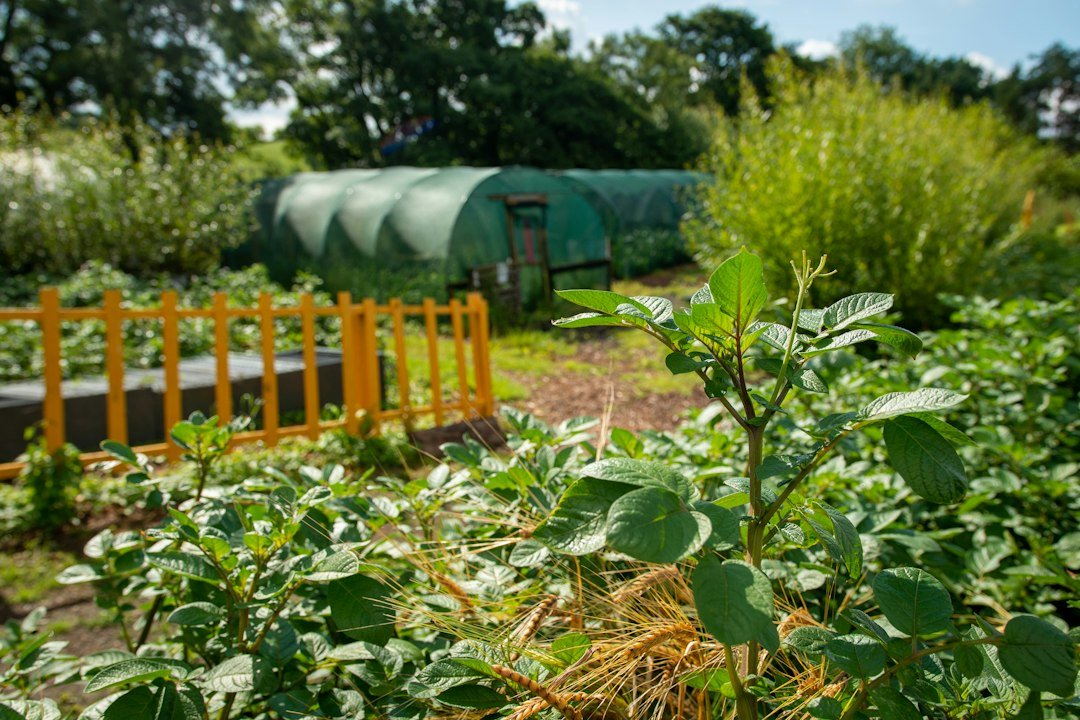
Healthy, well-aggregated soil is the backbone of a self-sufficient garden. If you’re starting from poor or native soil, prioritize organic matter, microbial life, and structure before chasing fertilizers.
- Test first: A basic pH and nutrient test tells you whether lime or phosphorus is needed.
- Compost: Start a continuous compost system—kitchen scraps, yard trimmings, and occasional manure—turned or layered into piles. Compost feeds soil life and reduces the need for purchased amendments.
- Green manures and cover crops: Plant legumes (clover, vetch) in winter or between beds to fix nitrogen and build humus.
- Minimal tillage: Avoid deep, frequent turning; use broadforking or double-dig only when establishing beds to preserve structure and mycorrhizae.
Pick crops for calories, storage and low-maintenance
Choose a crop mix that balances fresh eating with preserved staples. For many off-grid households, aim for about 60% calorie crops, 30% fresh vegetables, and 10% herbs/medicinals.
- Staples: Potatoes, sweet potatoes, winter squash, and beans give calories and store well.
- Nutrition: Leafy greens, brassicas, and tomatoes supply vitamins; plant successionally for continuous harvest.
- Perennials: Asparagus, rhubarb, berry bushes, and fruit trees reduce annual labor once established.
- Seed-saving: Prioritize open-pollinated varieties so you can save seed each year and adapt plants to your microclimate.
Design succession and preservation to extend yield
Plan successive plantings and preserve surpluses to stretch food through lean months. Stagger plantings of fast crops (lettuce, radish) every 2–3 weeks; sow fall crops in midsummer for extended harvests.
- Season extension: Build a simple cold frame or low hoop tunnel to move planting dates by several weeks.
- Preservation: Learn basic canning, drying, fermenting, and root-cellaring suited to your storage climate.
Manage pests and fertility with low-tech, resilient tactics
In off-grid contexts, prevention beats chemical fixes. Use crop rotation, companion planting, and physical barriers before resorting to interventions.
- Rotation: Move families (nightshades, brassicas, legumes, roots) around beds annually to break pest cycles.
- Companions: Plant onions and marigolds near tomatoes to deter pests; beans fix nitrogen for heavy feeders.
- Barriers and traps: Row covers, collars around brassicas, and simple pheromone/beer traps reduce losses without electricity.
- Fertility refresh: Topdress beds with compost tea or well-aged compost midseason for a nutrient boost.
Choose tools and items that multiply your labor
When hauling is costly, invest in a few durable tools and infrastructure pieces that save time for years. A high-quality broadfork, a sturdy wheelbarrow, and good-quality raised beds reduce effort and soil damage.
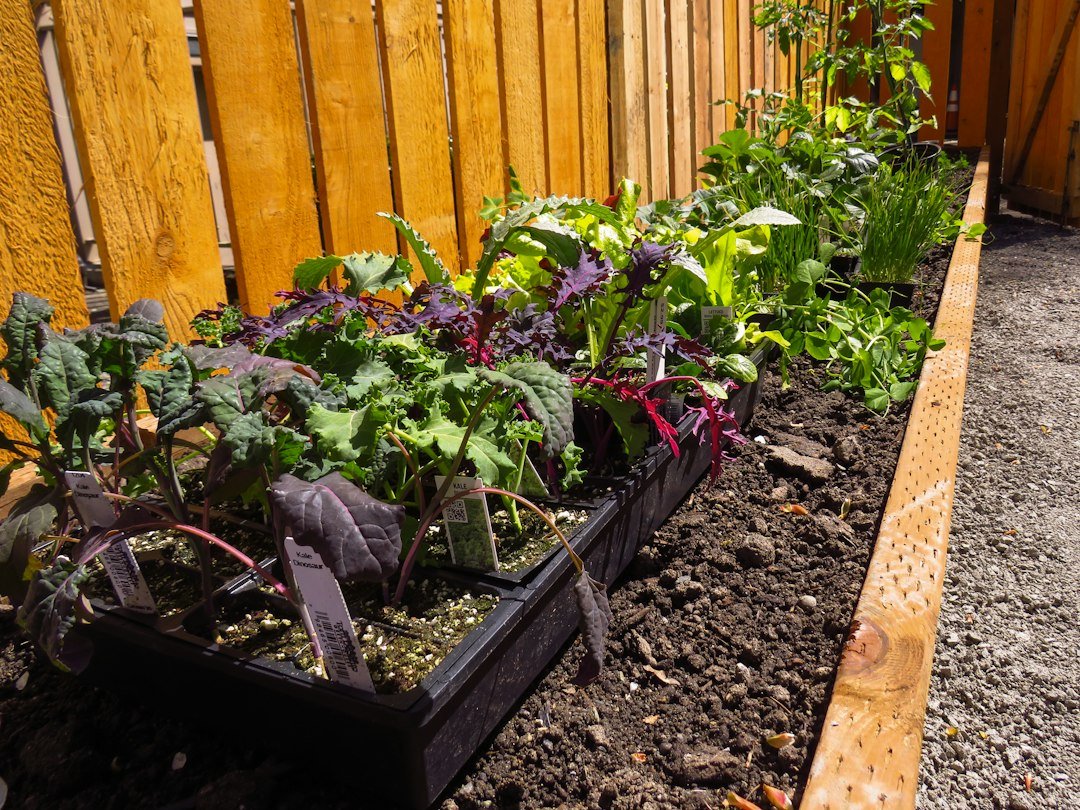
For raised beds, the Cedar Raised Garden Bed with Legs is a durable option that makes working ground easier, reduces pest access, and helps manage soil quality in rocky sites.
Simple troubleshooting and adaptations
Common problems have low-tech fixes:
- Poor germination: Check seed age and soil temperature; start sensitive crops indoors or in a cold frame.
- Low yields: Increase organic matter and ensure plants aren’t water-stressed during flowering.
- Rodent or deer pressure: Add buried mesh around root crops and taller fencing or electrified single-wire for larger animals.
Next seasonal priorities for steady growth
Year one: secure water capture, build two to four raised beds, establish compost and 2–3 staple crops. Year two: add perennials (berries, asparagus), double seed-saving crops, and build a cold frame. Year three: aim to meet most of your household’s fresh produce and significant stored staples.
- Choose a sunny, protected site and map bed layout.
- Set up rain capture and one season of water storage.
- Start a compost pile and plant a cover crop on any empty beds.
- Select 6–8 staple and garden crops; buy open-pollinated seed where possible.
- Install one season-extension structure (cold frame or hoop tunnel).
Build a self-sufficient garden by prioritizing water capture, soil-building, and a crop mix focused on calories and storage. Start small with durable beds and a compost system, then expand into perennials and seed-saving to steadily reduce external inputs.
How much space do I need to be self-sufficient?
It depends on family size and diet; a single adult can produce significant vegetables and some staples in 200–400 sq ft with intensive methods, but full calorie self-sufficiency requires more land (often 0.25–1 acre) for root crops, grains, and perennials.
What are the easiest crops for off-grid gardens?
Potatoes, beans, winter squash, onions, carrots, and kale are reliable and low-maintenance choices that store well or provide continuous harvests.
Can I garden without a well or pump?
Yes—combine rainwater capture, gravity-fed drip lines, and mulch. A cistern and drip irrigation can support small to medium gardens without electricity.
Should I use hybrid or saved seeds?
Use open-pollinated or heirloom seeds if you want to save seed and adapt plants locally; hybrids can provide higher short-term yields but cannot be reliably saved for true-to-type offspring.
How do I store food without electricity?
Use root cellars, cool basements, fermentation, drying, and canning. Choose crop varieties known for storage (winter squash, onions, potatoes) and harvest/store at the proper maturity.