 Wishlist
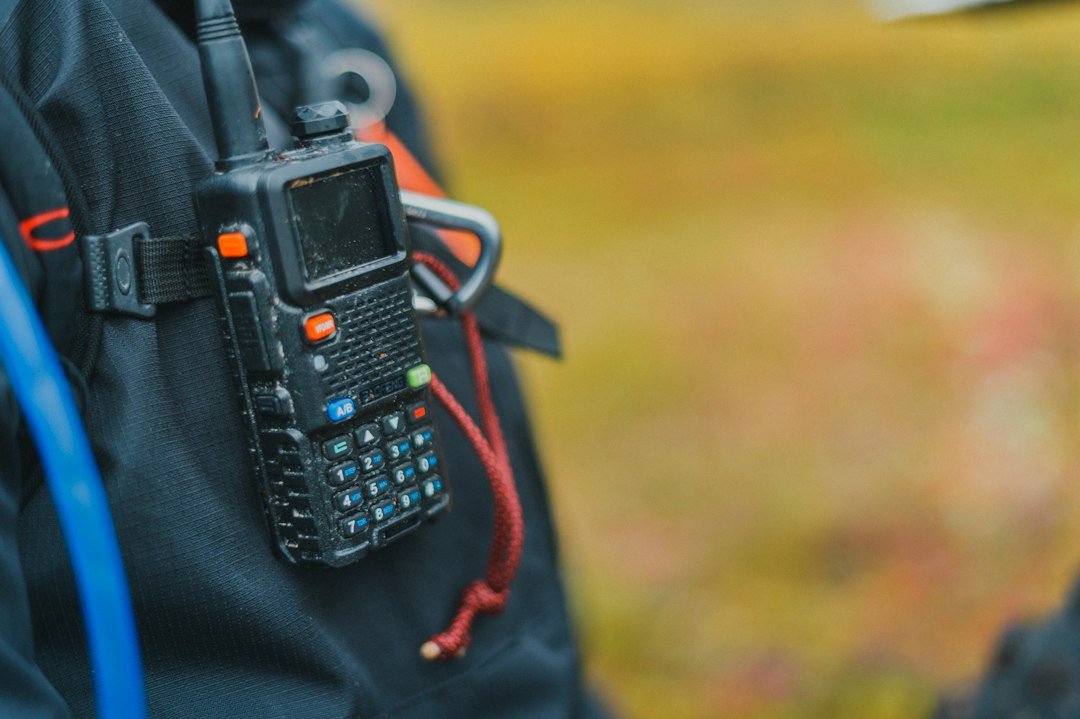
Picture this: the cell towers are down and the lights are out—how will you tell family where to go?
Start with the result: an off-grid emergency communication plan that keeps everyone informed, assigns clear roles, and works when power or cellular networks fail. Below is a practical sequence to build that plan, pick the right tools, and practice so the system performs under stress.
Decide who needs to know what and how they’ll be reached
List everyone who must be contacted during an emergency: household members, close neighbors, an out-of-area contact, and essential helpers (neighbor with a truck, nearby medic, or landowner). For each person, decide two methods for contact—one primary and one backup—so a single failure won’t isolate anyone.
- Primary: best-case method (cell call/text, group chat).
- Backup: non-cell option (two-way radio, satellite messenger, or landline).
- Fallback: in-person meeting point or scheduled check-in time if no electronic contact is available.
Choose devices that work off-grid and match your range needs
Match tools to distance and reliability requirements:
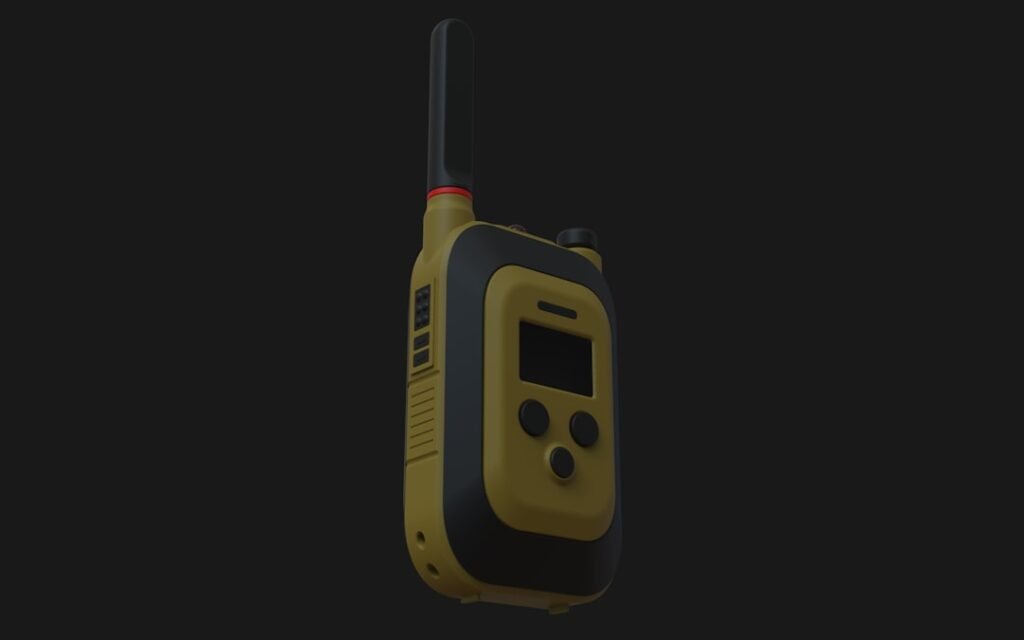
- Short range (up to a few miles): FRS/GMRS handheld two-way radios. They’re cheap, easy, and useful for neighbors or local family members.
- Extended range (dozens of miles, terrain permitting): Amateur (ham) radio. Requires licensing for higher-power use but gives long-range capability and community networks during disasters.
- Remote/anywhere: Satellite messengers/phones for guaranteed global reach when cell towers are down.
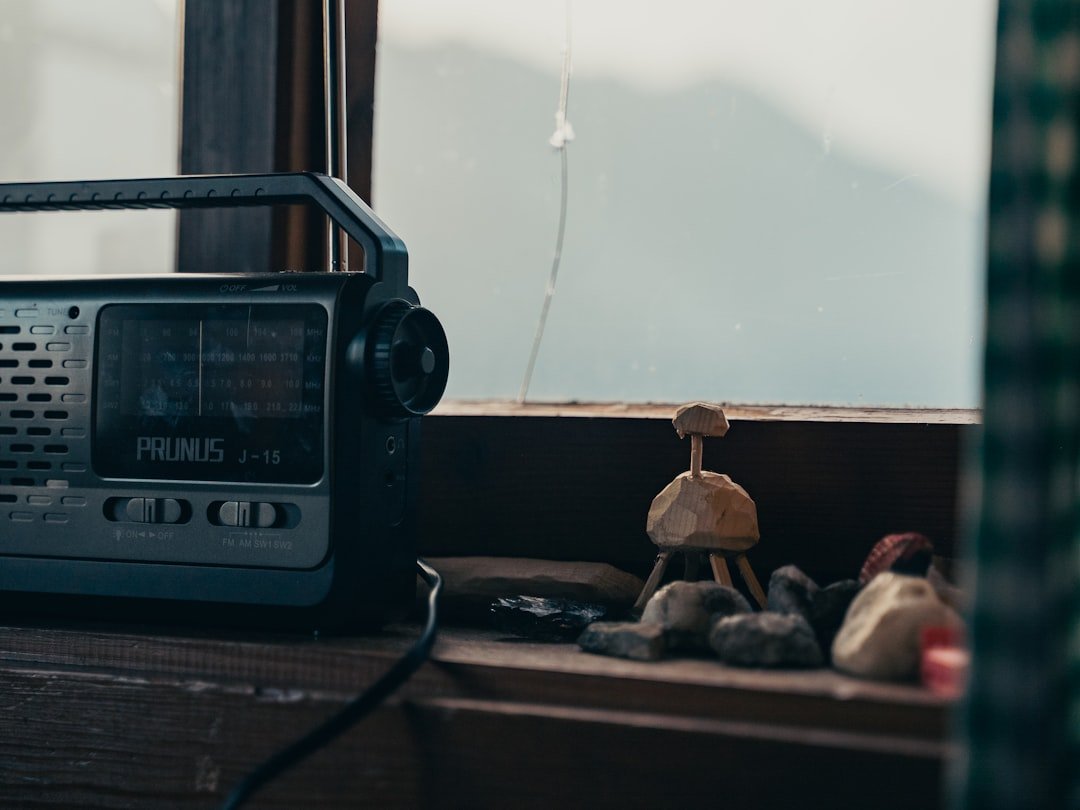
- Information-only: NOAA/weather radios and battery-powered emergency radios for alerts and forecasts.
Prefer at least two device categories so you can fail-over. For most off-grid households, a combination of a weather/emergency radio plus one handheld two-way radio and a charged satellite messenger or phone is realistic and robust.
Plan for power: keep comms alive without grid electricity
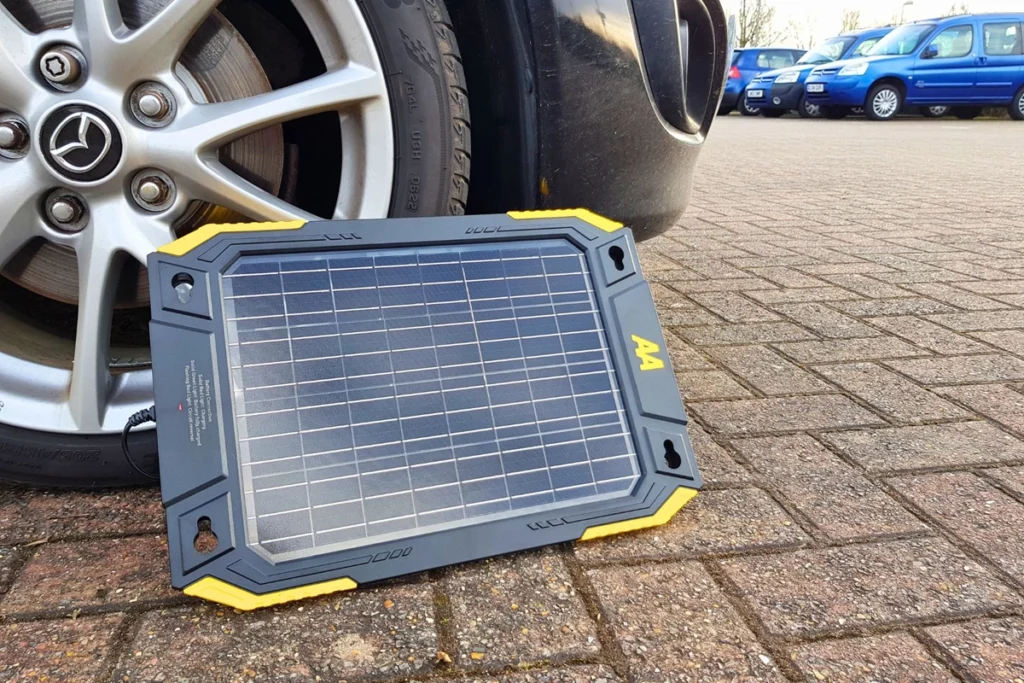
Define how each device will be powered for days or weeks: spare AA/AAA batteries, lithium power banks, small solar chargers, and a prioritized charging plan for vehicle or battery bank use. Label device power priorities—what gets charged first when solar comes up—and store at least 3–7 days of power for your critical comms equipment.
Product suggestion: if you need a compact all-purpose emergency radio with USB charging and NOAA alerts, a weather-radio style unit covers alerts and can recharge small devices. Use the product below when you want a single device that combines alerts and charging.
Create written protocols: who calls whom, when, and what to say
Write the core scripts and times so people don’t improvise under stress. Keep this simple and visible in at least two places (printed copy in a folder and a copy on devices):
- Activation trigger: e.g., "If county issues evacuation order or cell service unavailable for >2 hours."
- Initial message templates: short check-in messages for text or radio (name, location, status—OK/NEED HELP, intended action).
- Check-in schedule: frequency to attempt contact (every 2 hours, morning/evening, etc.).
- Meeting points: primary (close, known landmark) and alternate (further away, reachable without phones).
Assign roles and redundancies
Give everyone a clear function—caller, radio operator, driver, gear manager—so tasks aren’t duplicated or missed. Assign a single out-of-area contact to act as a message relay; this person can receive texts or emails and redistribute status updates to extended family.
Test the plan and schedule regular drills
Run short, realistic drills quarterly: power everything by batteries or solar, use radios only, and execute your check-in schedule. After each drill, update frequency, meeting points, and battery stores based on what failed or took too long.
During tests, confirm these specifics: radio channel and tone settings, satellite messenger pre-loaded contacts and messages, and that paper copies of the plan are legible and current.
Troubleshooting common problems and adaptations
When radios won’t reach each other
Raise antenna height, move to higher ground, or swap to a higher-powered transceiver (ham radio) if permissible. If terrain blocks line-of-sight, plan alternate meeting points or relay stations (a neighbor who can pass messages).
No one answers at the meeting point
Establish a wait time before assuming failure and then follow pre-agreed alternate actions—try vehicle check, leave a visible note at the original point, or proceed to the secondary meeting point.
Running out of power
Reserve one device as highest priority (often the satellite messenger or the ham radio base). Use power sparingly—short transmissions, scheduled check-ins—and top up from vehicle or solar first.
Document, store, and share the plan
Keep a printed folder with contact lists, maps, radio frequencies, and power notes in a known place. Store an identical digital copy on a USB drive and in an off-site email or cloud account for retrieval if the physical copy is lost.
Post a pared-down version of the plan (meeting points, two contact numbers, and radio channel) on the refrigerator or another high-visibility spot.
Make communication part of broader emergency priorities
Communication connects to evacuation, medical response, and long-term resilience. Pair the plan with a simple go-bag per person that includes a radio, spare batteries, whistle, and a copy of the plan. Review the plan whenever household composition, vehicles, or local risks change.
- Assign two contact methods for every household member.
- Choose at least one local radio and one long-range option (ham or satellite).
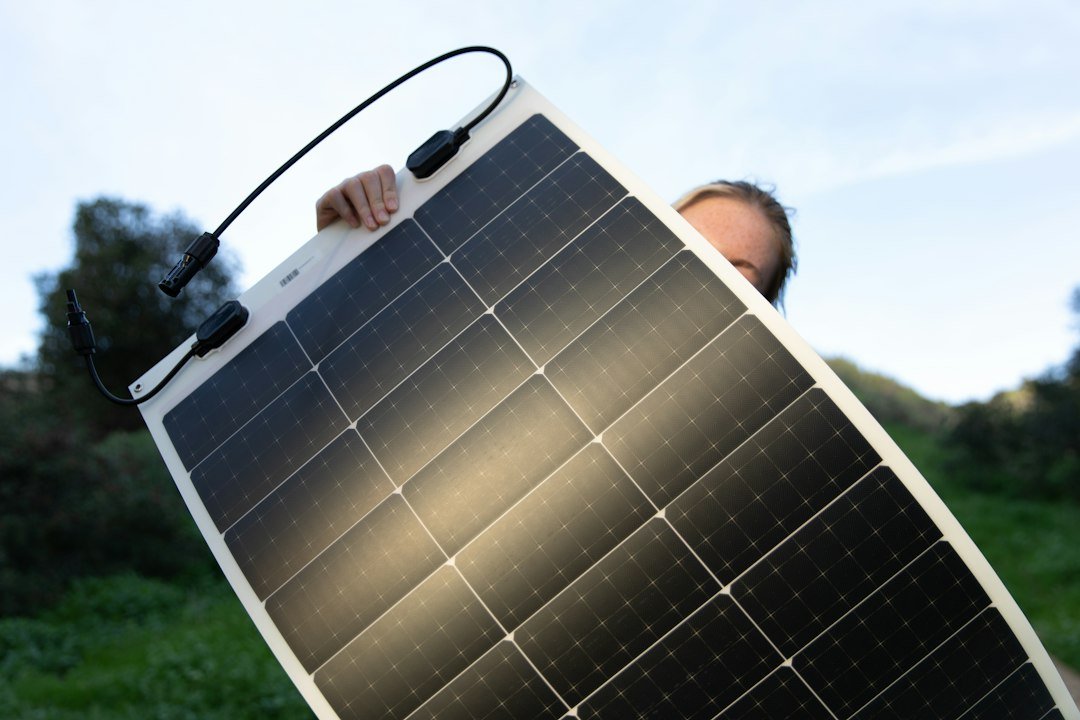
- Stock multi-day power: batteries, power bank, and small solar panel.
- Print scripts and meeting points; store copies on USB and off-site.
- Run a full-device drill every 3–4 months and update the plan.
An off-grid emergency communication plan is compact: name who needs contact, pick two complementary communication methods per person, plan for power, assign roles, and drill it. Small investments in radios and a basic power kit pay off when networks are down.
How much radio range do I realistically need?
For most rural households, local two-way radios (a few miles) plus a long-range fallback (ham radio or satellite) cover common scenarios; terrain greatly affects range.
Do I need a ham radio license?
For basic listening and low-power use you can often use emergency band receivers, but transmitting on amateur bands requires the appropriate license; check local regulations.
What’s a practical power plan for communications?
Keep device-specific backup batteries, one multi-thousand-mAh power bank, and a compact solar charger; prioritize charging satellite or long-range devices first.
Should I rely on satellite messengers?
They’re the best fallback for guaranteed reach, but they cost money and may have subscription fees—use them alongside lower-cost radios for routine checks.
How often should I update the plan?
Review and test the plan every 3–6 months, and immediately after any household, vehicle, or contact changes.