 Wishlist

A winter storm forces the power out for days and your spare bedroom fills with anxious family members—what tent do you pull from the attic as a reliable, long-term shelter?
When you need a tent for long-term shelter or an emergency, the practical priorities differ from weekend backpacking gear. The right tent for long-term shelter balances weather protection, durability, comfort, setup speed and maintainability. Below is a concise, actionable way to decide what matters and which tent to buy.
Decide the use case first: emergency refuge vs. extended off-grid living
Start by naming the primary mission—this drives every other choice.
- Short-term emergency refuge (days to a few weeks): You need fast setup, good weather protection, and the ability to sleep and store essentials. Weight and pack size are secondary.
- Long-term shelter (weeks to months): Durability, repairability, ventilation and comfort matter more. Think easy repairs, durable materials, vestibules for gear and options for heating/cooking ventilation.
- Seasonal or harsh-weather base (winter, high wind): Choose true four-season tents with robust frames and steep walls to shed snow; expect higher cost and more complex pitching.
What actually matters: core factors to compare
Ignore marketing claims and compare these practical attributes.
1. Weather rating and materials
For emergencies you want at minimum a three-season tent that handles wind and moderate rain. For prolonged shelter or snow, pick a four-season tent. Key material notes:
- Fly fabric: 68–150D polyester or nylon with PU or silicone coating for long-life water resistance.
- Floor: thicker denier and a bathtub floor (raised seam at least 4–6 inches) to resist ground moisture.
- Poles: aluminum for strength and longevity; composite or cheap fiberglass will fail more quickly under repeated stress.
2. Seams, zippers and repairability
Even the best tent will need field repairs. Look for taped seams, quality zippers with storm flaps, and a simple pole design where components can be replaced. A tent with a well-documented parts list or widely available replacement poles is better for long-term use.
3. Ventilation and condensation control
Long-term occupation creates humidity—cooking, multiple sleepers and wet gear. Multiple vents, mesh panels and the option to partially roll the fly for airflow are essential. Condensation management may be more important than absolute waterproof rating in prolonged use.
4. Layout, capacity and vestibules
Capacity ratings (2P, 3P, etc.) are conservative; for long-term comfort, buy one size up. Vestibules provide dry storage and a protected entry for cooking and gear—indispensable when living in a tent.
5. Anchoring and structural resilience
Guy lines, stake points and multiple attachment zones let you tension the tent for wind and snow. For long-term anchoring consider heavier-duty stakes and the ability to add deadman anchors or tie to nearby structures.
6. Setup time and complexity
Simple freestanding tents with color-coded poles speed setup—valuable during an emergency. For harsh conditions, more complex tunnel or geodesic tents offer stability but require practiced pitching.
Special considerations for long-term shelter
- Heating and cooking: If you expect to heat or cook near the tent, use a tent stove rated for indoor tent use and ensure a proper stove jack and ventilation. Never operate open flames inside without approved exhaust.
- Floor protection: Use a groundsheet or tarp sized to the floor—smaller than the floor to avoid water pooling under the tent edge.
- Sun and UV exposure: Sun degrades fabrics over time. If the tent will be up for months, rotate or shade it where possible and clean off debris.
- Comfort upgrades: Insulated sleeping pads and a durable groundsheet greatly improve livability and reduce wear on the tent floor.
How to pick by priority (use-case examples)
Emergency refuge — fastest, most weatherproof choice
Look for a 3-season or light 4-season dome tent, freestanding, with a full-coverage fly, at least one large vestibule and taped seams. Prioritize quick pitch and simple pole swaps. Capacity: choose one size larger than occupants for gear space.
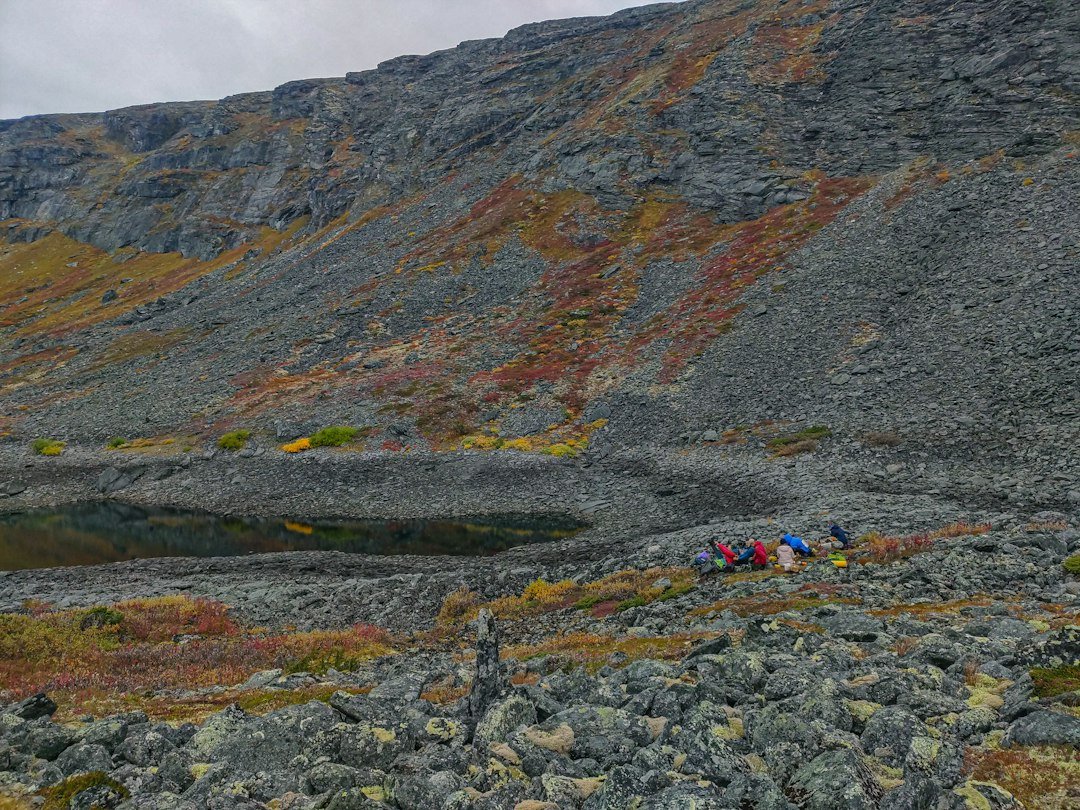
The store’s Emergency Tent Survival Shelter is ranked first for a reason: it's positioned as an emergency-ready shelter with simple setup and durable weather features suited to short-term refuge.
Extended off-grid shelter — durability and comfort
Pick a strong-pole tent (aluminum poles), heavy denier fabrics, multiple vents and large vestibules. Prioritize repairability—seam tape, spare pole sections and a gear loft make long stays livable. Consider a two-room or large family tent if multiple people will stay long-term.
Winter and high-wind base — stability above all
Choose a true four-season tent or geodesic design with multiple intersecting poles and low, aerodynamic profiles. Steep walls to shed snow and many guy-out points are non-negotiable. Practice pitching this tent in calm weather—setup is harder under pressure.
Accessories and extras that extend tent life and safety
- High-quality stakes and extra guy lines—swap cheap stakes for longer screw or snow stakes in their environment.
- Seam sealer and a small repair kit (needle, patch material, spare zipper pulls, pole splints).
- A tarp or footprint to protect the floor; keep it slightly smaller than the floor to direct water away.
- Lighting—choose battery or USB-powered lanterns (see our emergency lighting guide) rather than candles.
Quick buying checklist before you order
A short pre-purchase inspection will save frustration:
- Is it a true four-season model if you expect snow or high winds?
- Does it have taped seams, a bathtub floor and a full-coverage fly?
- Are replacement poles or repair parts available?
- Is the vestibule size sufficient for your gear and stove setup?
- Does the tent allow safe ventilation for cooking/heating options?
- Confirm the tent’s season rating matches expected weather.
- Inspect materials: aluminum poles, taped seams, heavy-denier floor.
- Plan for ventilation and a stove jack if heating/cooking is needed.
- Buy extra stakes, guy lines and a repair kit with seam sealer.
- Choose a tent one size larger than the number of sleepers.
Match the tent to the mission: emergency refuge calls for fast-pitch, weatherproof freestanding tents; long-term occupancy requires durability, repairability and ventilation. Prioritize materials, anchoring and vestibule space and purchase a solid repair kit and extra stakes.
Can I use a backpacking tent for long-term shelter?
Backpacking tents trade durability for light weight and usually have thinner fabrics and fragile poles—okay for short emergency use but not ideal for months of continuous occupation.
Do I need a four-season tent for winter emergencies?
Yes—if you expect heavy snow or sustained high winds. Four-season tents are built to shed snow and resist wind; three-season tents are not reliable in those conditions.
How big should a tent be for a family of four in a long-term situation?
Choose a 6-person tent or a combination of two smaller tents; larger tents give gear space and reduce condensation from overcrowding.
How do I ventilate a tent safely when heating inside?
Use a tent stove with a proper stove jack and maintain a fresh-air intake vent. Never use open flame heaters without approved ventilation; carbon monoxide detectors are recommended if power is available.
What repairs should I carry for field fixes?
Seam sealer, duct tape, pole splints, spare guylines, a needle and strong thread, and zipper pulls cover most emergency repairs.