 Wishlist
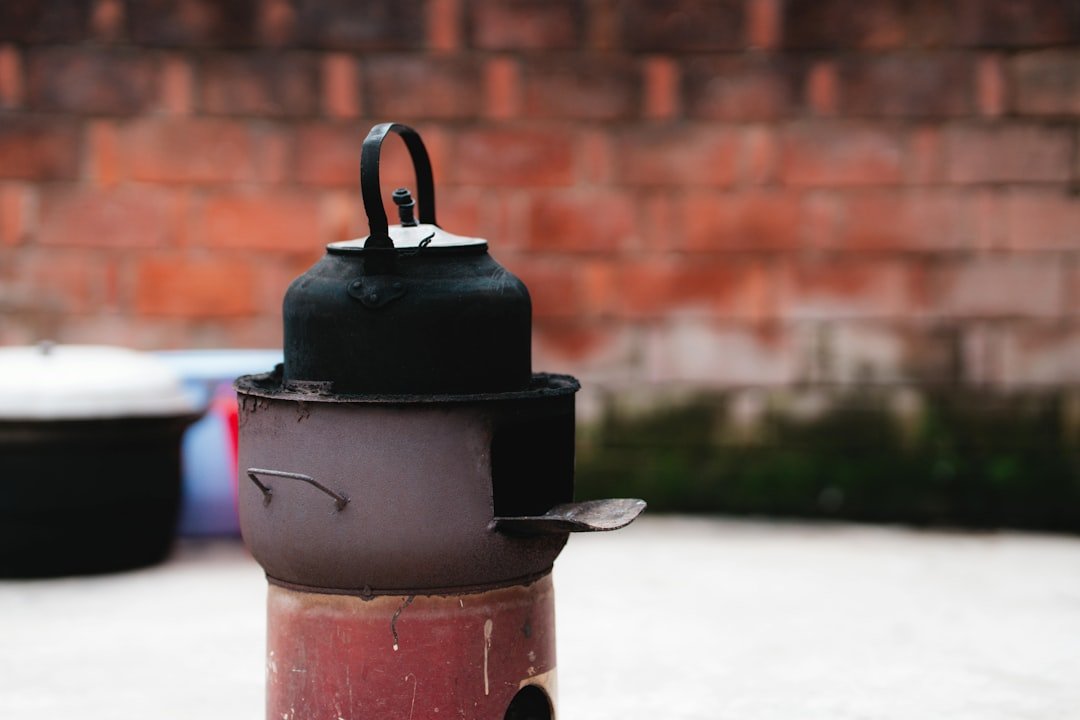
Many beginners overestimate how complicated off-grid cooking must be
Off-grid cooking methods look exotic until you realize most meals are the same three actions: apply heat, control temperature, and use durable cookware. The quickest path to success is choosing a method that matches your fuel availability, cooking goals, and tolerance for maintenance.
Quick answer: Which off-grid cooking method should a beginner pick?
If you want one clear starting point, buy a small, efficient wood-burning rocket stove (or a reliable portable gas stove if fuel is easy to get). A rocket stove covers the widest range—boiling, frying, simmering—uses locally sourced wood, and pairs perfectly with a cast iron skillet for durability. Use a solar oven and campfire cooking as complementary methods rather than primary systems unless your situation (plenty of sun or abundant firewood and time) strongly favors them.
How to choose: match method to your situation
Ask three practical questions before committing: What fuel is most reliable where you are? Do you need quick meals or can you plan long, low-and-slow cooks? How much weight/space and maintenance are acceptable?
- Fuel availability: Wood is renewable in many rural areas; propane or butane is compact and predictable where resupply exists; solar requires clear skies and patience.
- Cooking style: Frying and searing are easiest on a rocket or gas stove; solar ovens excel at baking, slow-roasting, and dehydrating; campfires are versatile but require skill to control heat.
- Portability and footprint: Backpacking stoves are tiny and light; rocket stoves range from pocket-sized to heavy masonry builds; solar ovens are bulky.
Practical methods, with pros, cons and sample uses
Rocket stoves (recommended starter choice)
Pros: High fuel efficiency, fast boil times, uses small-diameter sticks, low smoke when used correctly. Cons: Requires dry fuel and occasional cleaning; larger masonry versions are permanent.
Good for: daily cooking—boiling pasta, frying eggs, simmering stews. Works well with a cast iron skillet or stainless pot.
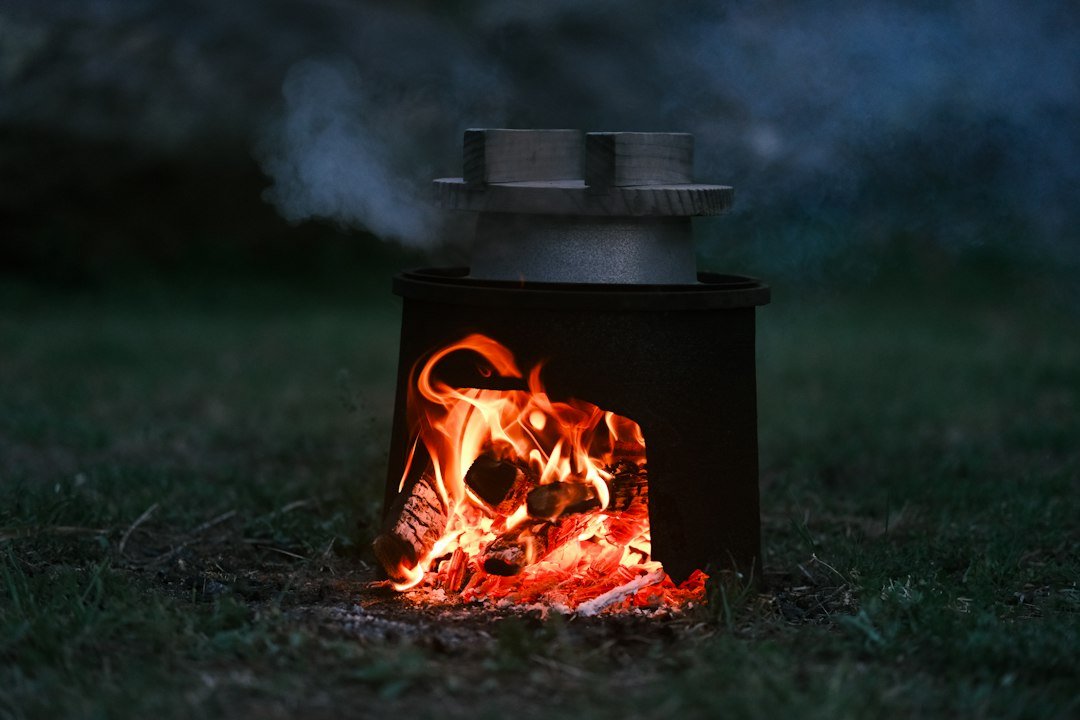
Tip: Build a wind break and use a pot with a flat bottom sized to the stove’s opening to maximize efficiency.
Portable gas stoves (when fuel supply is reliable)
Pros: Instant, controllable heat; clean burning; minimal prep. Cons: Requires canisters or refillable bottles; ongoing fuel cost and supply logistics.
Good for: quick meals, multi-burner camp setups, simmering delicate sauces. Use a low-profile windscreen to preserve efficiency in breezy conditions.
Campfire cooking (traditional, flexible)
Pros: Readily available in wood-rich areas; can feed many people; excellent flavor for smoking or open-fire grilling. Cons: Harder to control temperature; fire bans or safety concerns may limit use; more cleanup and ash management.
Good for: grilling, kettles of beans, large-batch roasts. For better heat control, use a tripod and chain, or preheat coals and move coals under/away to adjust temperature.
Solar ovens (no fuel, low maintenance)
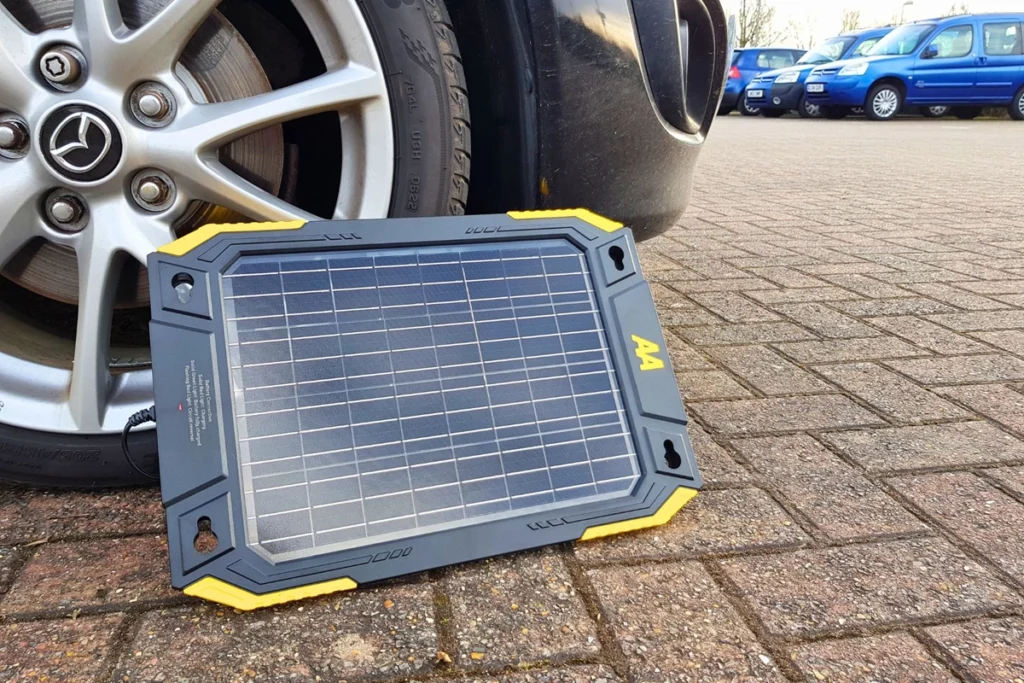
Pros: No fuel cost, safe and silent, ideal for baking and slow-cooking. Cons: Requires direct sun and longer cook times; bulky; poor for frying or quick-boil needs.
Good for: baking bread, slow-roasted vegetables, pasteurizing water. Keep a simple thermometer to learn typical cook times for your location.
Hybrid setups and backup plans
In practice most off-grid cooks combine methods. For example: a rocket stove for day-to-day, a small gas stove for emergencies or calm, solar oven for batch baking, and a campfire for occasional feasts. Planning redundancy reduces the chance of a missed meal.
Essential tools and cookware that actually matter
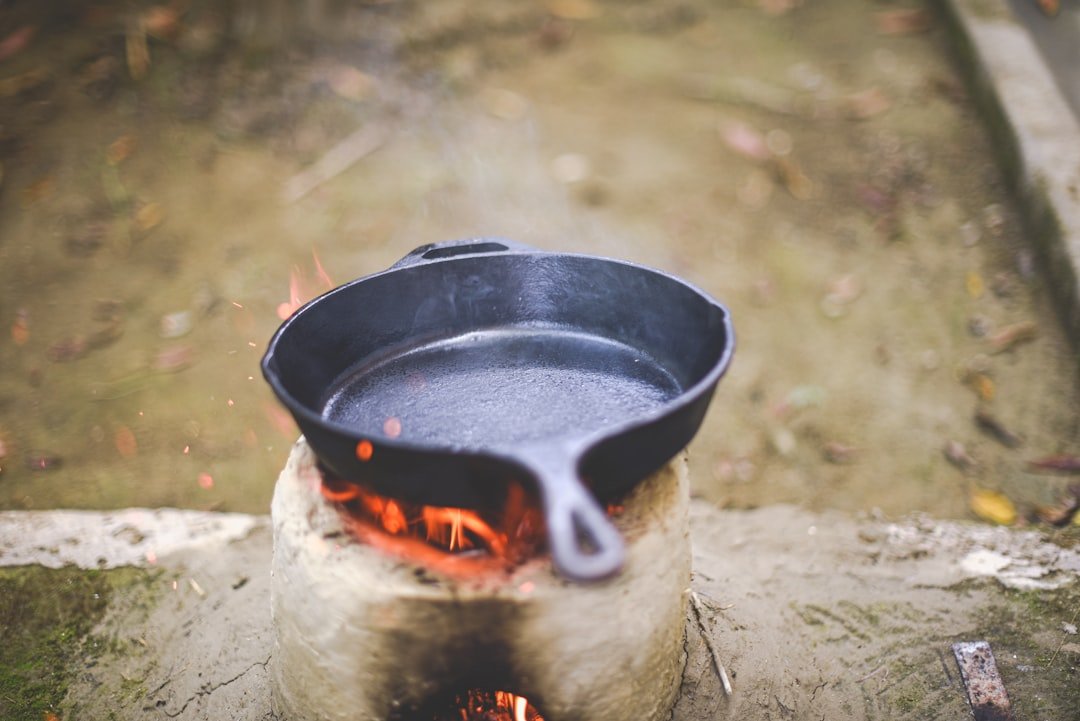
- Cast iron skillet (seasoned) — tolerates direct flame and retains heat for even searing.
- Flat-bottomed pot that matches stove diameter — improves efficiency on rocket or gas stoves.
- Windshield and pot lifter — preserve fuel and safety.
- Fuel storage: dry, ventilated space for wood; locked area for gas canisters.
- Fire safety kit: bucket or container for ash, simple shovel, and a basic first aid kit.
Product pick: If you’re starting from scratch, a heavy-duty cast iron skillet is the single most useful cookware item—versatile for stove, fire, and oven. It pairs directly with a rocket stove and lasts decades.
Safety, maintenance and simple routines
Keep a regular ash-cleaning habit for wood stoves—ash buildup insulates and reduces airflow. Store fuels away from living spaces and check gas connections before each use. Practice fire-lighting and pot-handling techniques in daylight before relying on them in rough weather.
Sample week of meals by method to get practical
- Rocket stove: morning oats, midday fried rice, evening stew—use leftover coals for slow-simmering.
- Portable gas: quick pasta on busy days, tea/coffee any time.
- Solar oven (sunny days): bake bread in morning, roast vegetables midday.
- Campfire (weekend): grilled meat or large pot of beans—use coals to maintain steady heat.
One sensible first decision to make today
Inventory your likely fuel sources and pick the core method that uses the most reliable fuel. If wood is abundant, choose a small rocket stove and a cast iron skillet. If you can resupply propane easily, start with a two-burner portable gas stove. Buy or practice with that single system first, then add complementary methods.
- Confirm local fuel availability for at least 4 weeks.
- Acquire one durable skillet or pot that fits your chosen stove.
- Set up a simple wind break and safe cooking area outdoors.
- Practice three meals: boil, fry, and slow-simmer before relying on the system.
- Create a basic fire safety/ash disposal station nearby.
Choose the cooking method that aligns with your fuel access and preferred meals—most beginners will be best served by a rocket stove plus cast iron cookware. Add solar or gas only when they solve real constraints you face.
Can I cook everything with a rocket stove?
Most everyday meals—boils, sautés, stews, even simple baking with a Dutch oven—are possible on a rocket stove, though solar ovens and dedicated grills have niche advantages.
Is cast iron necessary for off-grid cooking?
Not strictly, but cast iron is highly recommended because it tolerates open flame, retains heat well, and lasts for decades with proper care.
How do I keep fuel dry and ready?
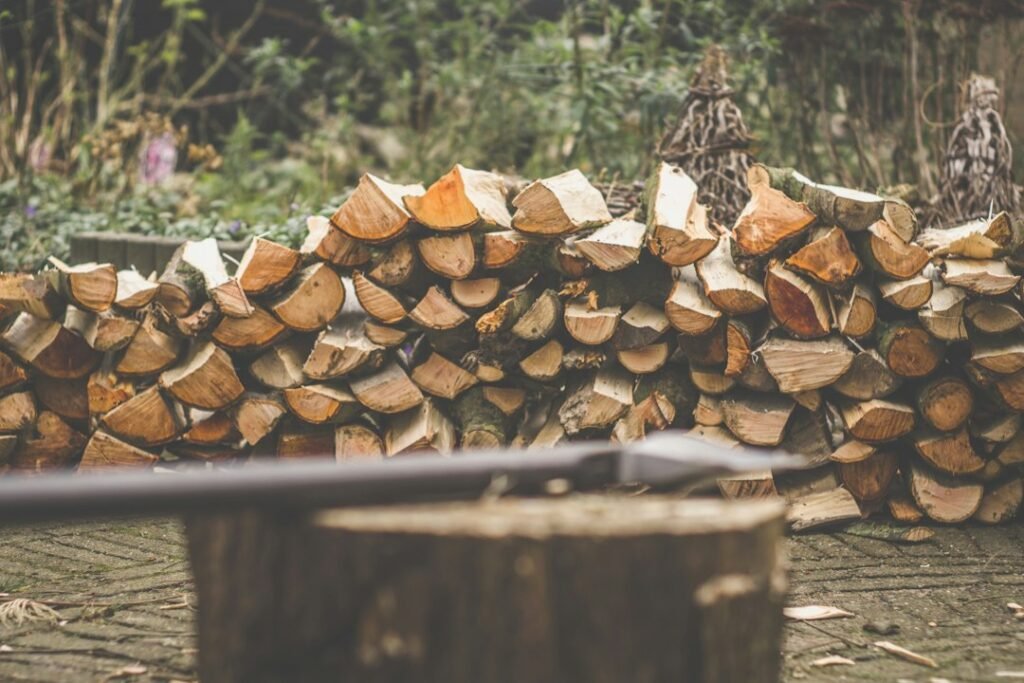
Store wood under cover, elevated off the ground, and split it into small sticks for rocket stoves; keep canisters sealed and upright in a cool, ventilated spot for gas.
Are solar ovens worth the cost and space?
Solar ovens are excellent when you have predictable sun and want no-fuel baking; they’re less useful for quick or high-heat cooking and require storage space.