 Wishlist
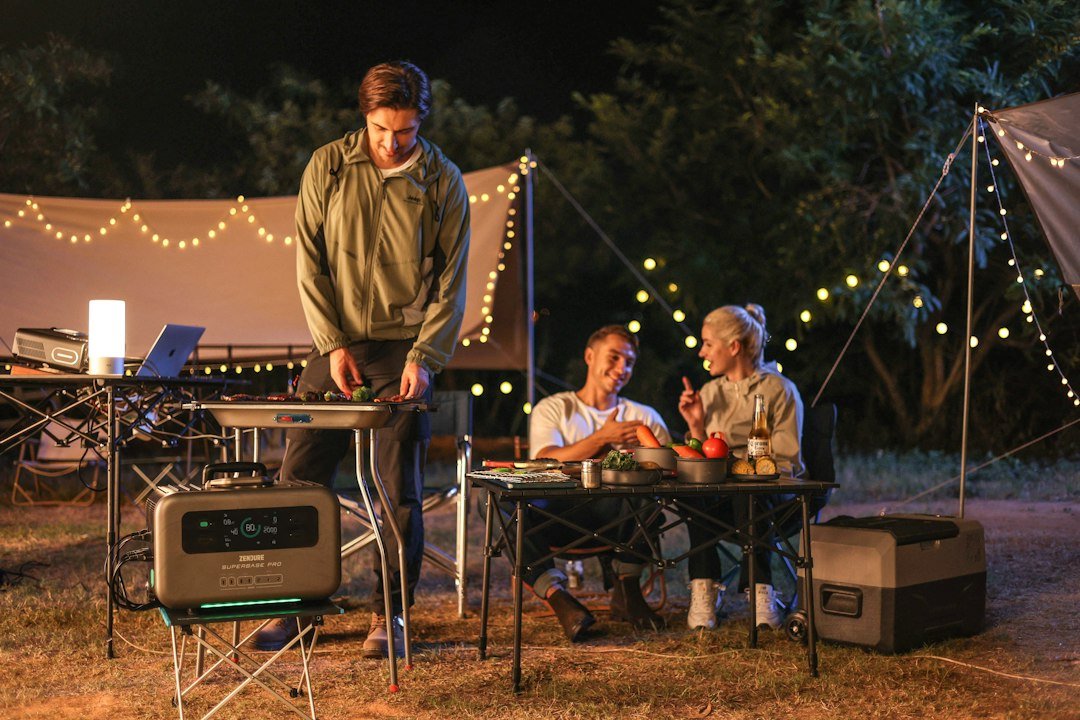
When the lights don’t come back on for days: what you want at the finish line
You should be able to keep essential devices running, store and cook food safely, stay warm or cool enough, and communicate for the duration of an extended outage. That means prioritized power, at least 7–14 days of safe food and water, reliable lighting, and a plan to manage heating or cooling without the grid.
Start with a power-priority map
Before buying gear, list the circuits and devices that actually matter: refrigeration and food prep, charging phones and medical equipment, sump pumps, communication (router/phone), and one heating or cooling method. Map those to wattage so you can size backup power sensibly: a phone and router are a few dozen watts, a fridge 100–800 watts depending on size and compressor cycle, and a space heater 1000–1500 watts.
Choose one primary solution and one backup: a home standby generator or a large inverter/portable power station plus a small solar array. For many households a portability-first setup (solar-charged portable power station) covers the essentials without installing fuel lines; for those needing full-home loads, a standby generator is the practical choice.
Sizing quick reference
- Phones, lights, router: 100–300 W — covered by small portable power stations.
- Refrigerator + occasional microwave: 800–1,800 W — needs larger inverter/power station or generator.
- Space heating or whole-house HVAC: 2,000+ W — generally requires a generator or heavy inverter.
Make refrigeration and food safe first
Food spoilage is the fastest household loss during long outages. Plan to keep your fridge at 40°F (4°C) or below and freezer under 0°F (-18°C). Two practical approaches:
- Power the refrigerator selectively using a generator or a high-capacity inverter. Reduce compressor cycles by keeping doors closed and moving perishable items to a cooler with ice if the outage lasts many days.
- Keep a 7–14 day rotation of nonperishable and fridge-freezer-stable foods: canned goods, grains, dehydrated meals, vacuum-sealed items. Use airtight long-term containers for dry staples to deter pests and moisture.
Product suggestion: a stackable airtight food storage option makes rotating grains and dry goods easier and keeps them usable after extended storage.
Water and sanitation: store, filter, and plan
Plan for at least 1 gallon per person per day for drinking and basic hygiene, more if you heat water or have pets. Store water in food-grade jugs and rotate every 6–12 months. Keep a gravity or pump filter and chlorine tablets as backups.
Locate these items together so you can grab them quickly: bottled water (short-term), jugs for refilling, a portable filter (or household water-treatment supplies), and a dedicated cooler and ice packs for perishable items if refrigeration fails.
Lighting, communication and small electronics
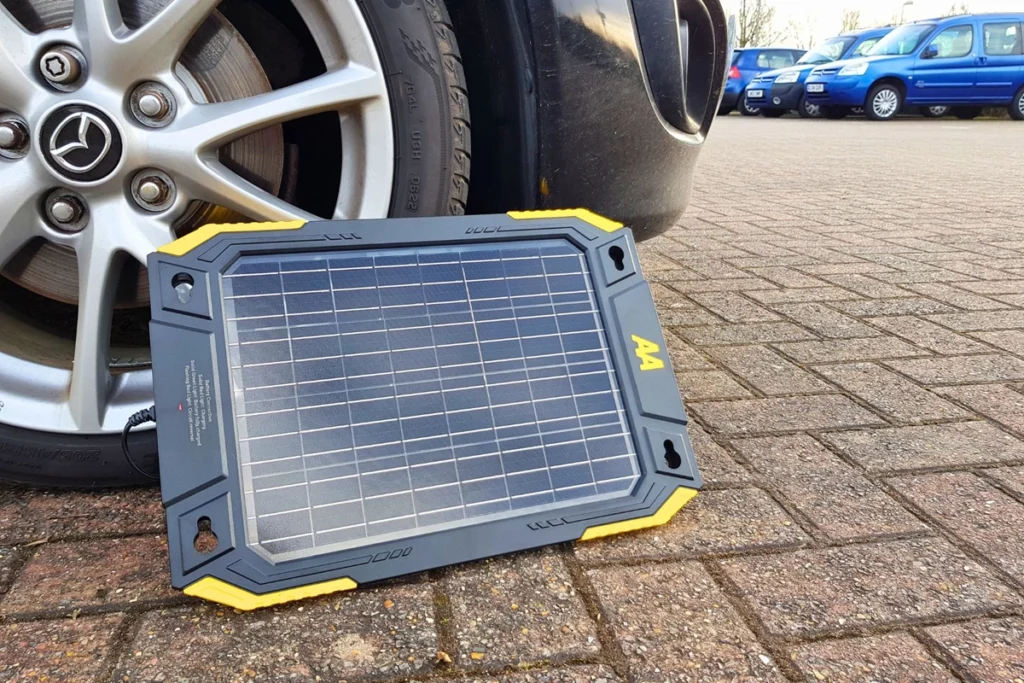
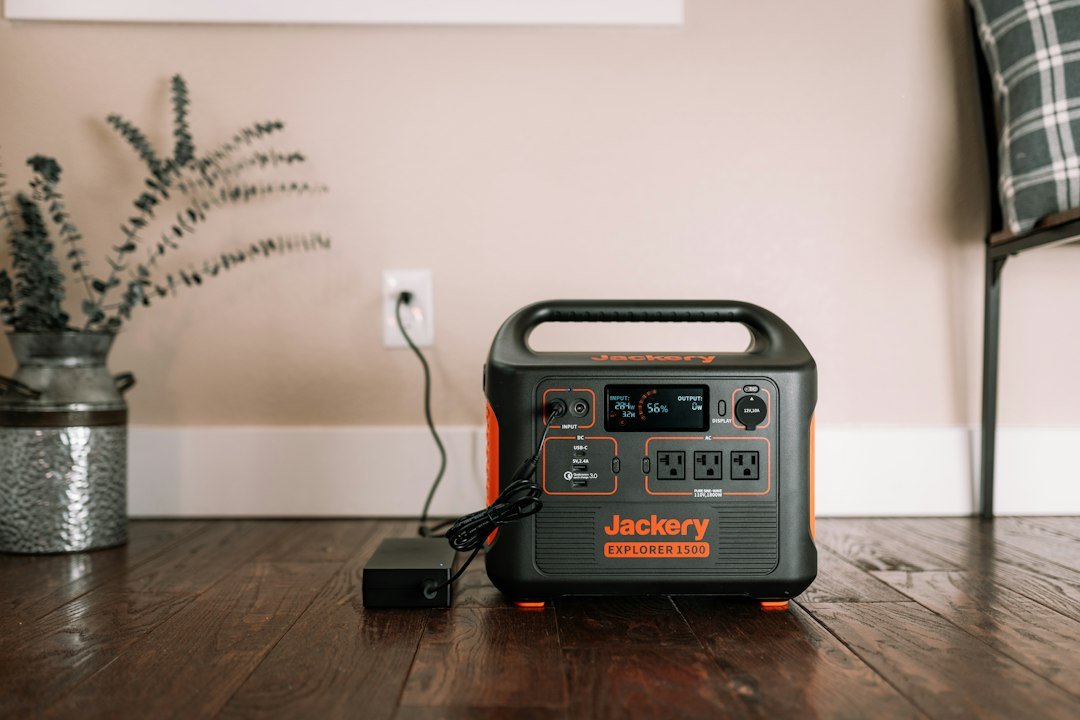
Replace candles with LED lanterns and headlamps — they’re safer and last longer. Keep a kit of rechargeable LED lanterns, a solar charger, and at least one hand-crank or solar radio for news. Reserve a power station or a small UPS for essential communications: phone, hotspot, and a low-power laptop.
If you need a durable all-in-one choice, a mid-to-high capacity portable power station can run lights and charge devices for several days and can be recharged via solar panels when sunlight returns.
Temperature control without the grid
Decide whether you will shelter in place or relocate. For winter: insulate—close off unused rooms, install draft stoppers and insulated window covers, and have layered clothing and emergency blankets. For summer: use battery-powered fans, blackout curtains, and a cooling plan that favors high-priority occupants (infants, elderly).
Never run portable combustion heaters or generators inside the house or garage; always locate them outdoors with clear ventilation and carbon monoxide detectors installed indoors and tested regularly.
Fuel, maintenance and safety for generators and batteries
For gasoline or diesel generators, plan safe on-site fuel storage and rotate fuel stocks every 6–12 months. Have fuel stabilizer and a lockable container. For battery-based systems, keep them in a cool, ventilated space and follow manufacturer guidance for charging cycles. Test-run your generator and portable stations under load every 3–6 months so you know they work when needed.
Room-by-room quick actions to take now
- Kitchen: move frequently used nonperishables to an easy-access bin and label with use-by dates; keep a small camp stove and fuel in a ventilated area.
- Living areas: store LED lanterns and charging cables together; pre-charge power banks.
- Bedrooms: stow extra blankets, hand warmers and headlamps near each bed for night emergencies.
- Garage/outside: position generator on a level surface away from vents; mark fuel cans and keep a spill kit nearby.
Troubleshooting common adaptation challenges
Short runtime from a portable power station: lower loads by shifting from a microwave to a camp stove and by reducing fridge cycles (keep it closed). If you can’t get enough generator runtime due to fuel limits, prioritize loads—pone the highest-draw items and use battery-based systems for low-power, long-duration needs like lighting and communications.
Freezer thawing: if temperatures rise but power is intermittent, consolidate frozen goods into one chest-style cooler with block ice to slow thawing and use thawed proteins first.
When to call in help or evacuate
If a household member depends on electrically powered medical equipment and your backup fails, contact local emergency services and your utility—many areas keep registries for medically vulnerable residents. Evacuate when heating/cooling needs exceed what you can safely supply, or when fuel or water runs dangerously low.
Final steps before an outage
Label your mapped power priorities, prepare a go-bag with medications and documents, pre-fill and rotate water and food supplies, and schedule a gear test day each season.
- Map essential circuits and estimate wattages for backup sizing.
- Store 7–14 days of food and 1 gal/person/day water with a purifier backup.
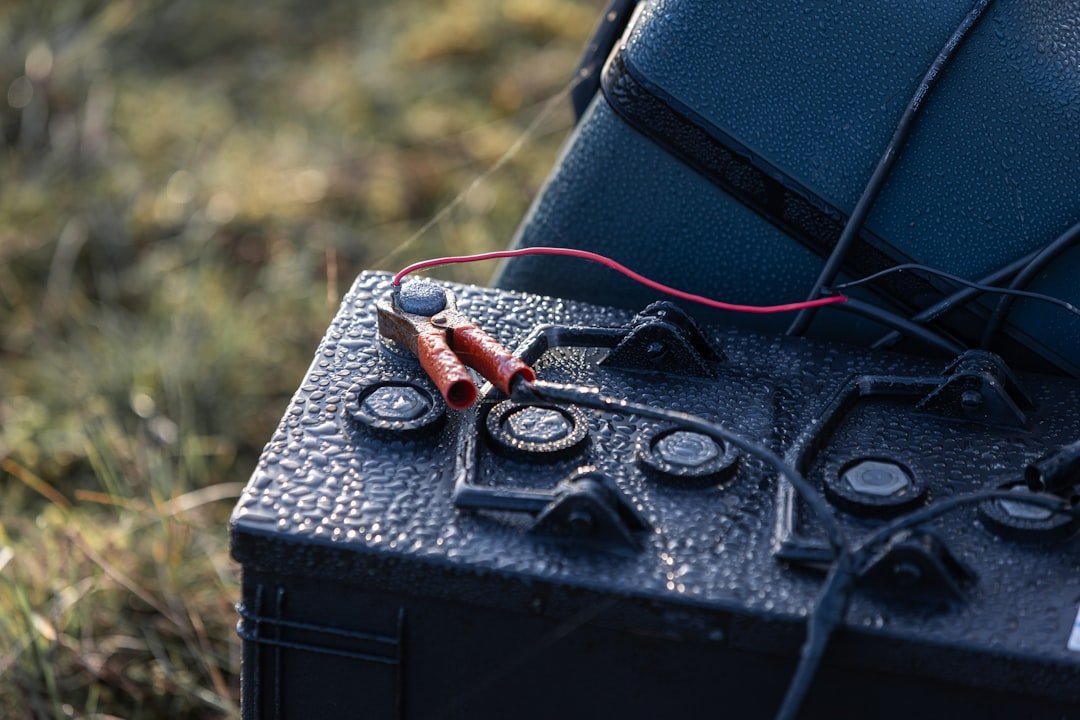
- Test generator or portable power station under load; rotate fuel and batteries.
- Place LED lanterns, chargers and radios in an easy-access kit.
- Insulate windows/doors and plan where family will gather for heat/cool.
Start by defining what must stay powered, choose the simplest reliable backup for those needs, and then organize food, water and comfort around that core capability. Routine testing and small pre-staged supplies prevent most outage losses.
How much portable power do I need for a fridge?
Most household fridges draw 100–800 W running power; check the nameplate and add surge wattage for startup. A high-capacity inverter or generator sized to handle the compressor surge is usually required.
Can I use a car to power my home devices?
A vehicle can run small inverters for lights and charging, but it’s inefficient for long-term use and drains the battery; use it only for short-term, low-draw needs and keep the vehicle ventilated outside.
What is safer: candles or LED lanterns?
LED lanterns are safer—no open flame, longer runtime, and better light distribution. Reserve candles only when absolutely necessary and never unattended.
How long should I rotate stored water and food?
Rotate bottled water every 6–12 months and dry goods per manufacturer dates; sealed long-term containers can extend shelf life when stored cool and dry.