 Wishlist
Quick, practical verdict up front
The right answer depends on what you need off-grid: for quiet, low-running-cost day-to-day power and long-term independence choose a solar generator; for short-term heavy loads, fast refueling and low upfront cost choose a gas generator. This article breaks down the trade-offs—runtime, cost over time, maintenance, emissions, noise, and real-world suitability—so you can match a solution to your off-grid lifestyle.
Decision criteria: what really matters for off-grid living
When choosing between a solar generator and a gas generator, weigh these practical factors:
- Energy demand pattern — steady low loads versus occasional high-demand appliances.
- Run time and refueling/recharging logistics — access to fuel or sun, and how autonomous you want to be.
- Upfront cost versus operating cost over years.
- Maintenance complexity and service availability.
- Noise, emissions, and local rules or neighbor tolerance.
- Portability and how often you’ll move the system.
How they work in plain terms
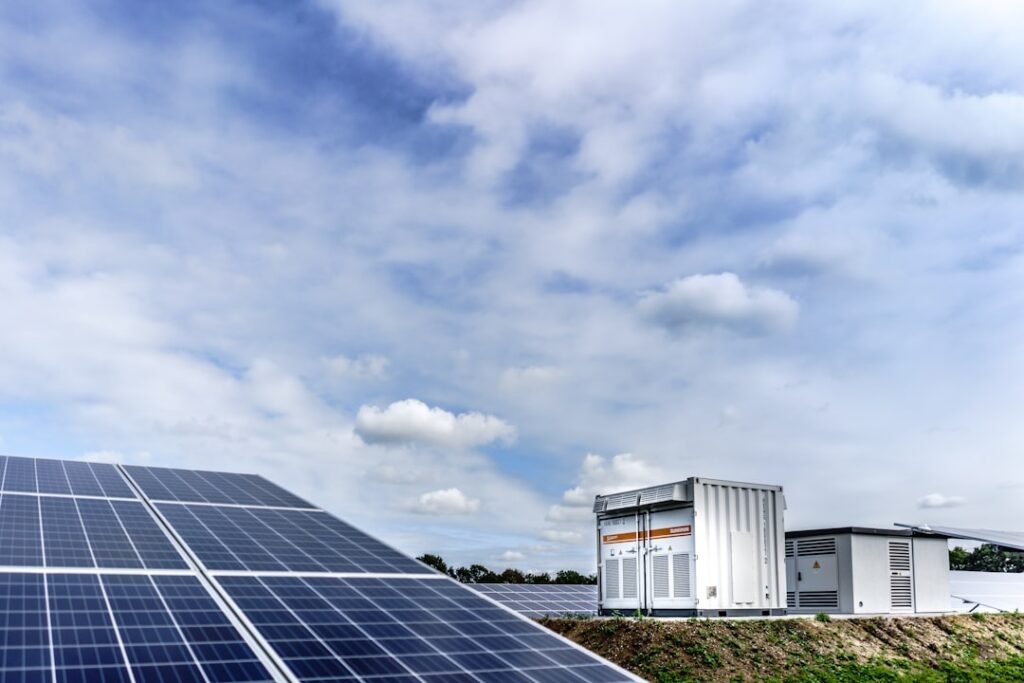
Solar generators are portable power stations: a lithium (or sometimes lead-acid) battery, an inverter, charge controller, and often built-in AC outlets. They recharge from solar panels, AC wall power, or vehicle charging. Gas generators burn gasoline or propane to drive an alternator and produce AC power continuously while fueled.
Key trade-offs compared
Upfront cost and lifecycle cost
Solar generators typically cost more up front per watt because of batteries and inverters, but operating costs are minimal once installed—sunlight is free. Batteries do wear out (often 5–15 years depending on chemistry and use), and replacing them is the major long-term expense.
Gas generators are cheaper to buy for the same peak output and can run for long periods as long as you have fuel. But fuel costs and periodic engine maintenance add up; if you run frequently, a gas generator’s total cost of ownership can exceed solar over a few years.
Energy availability and predictability
Solar generators depend on sunlight and system sizing. A well-sized setup with battery capacity and enough panels can supply daily essentials and recharge during daylight; cloudy stretches reduce output and may require load reduction. Gas generators provide predictable, on-demand power regardless of weather.
Load capacity and surge handling
Gas generators excel at high, continuous loads and motor starts (wells, large refrigerators, pumps). Portable solar generators are improving and many handle modest surge loads, but large motors or multiple heavy appliances at once usually demand either a large battery bank and inverter or a gas generator.
Refueling/recharging logistics
Solar: recharge takes hours, and requires panel deployment or fixed arrays; ideal if you spend most daylight hours on site. Gas: refuel in minutes but you must store and transport fuel—an added safety and logistical consideration for remote sites.
Maintenance, reliability and lifespan
Solar generators have fewer moving parts—most maintenance is keeping panels clean and monitoring battery health—so they’re generally lower maintenance. Engine-based gas generators need oil changes, spark plugs, carburetor or EFI care, and seasonal storage procedures to avoid carburetor gum or fuel degradation.
Noise and emissions
Solar generators are quiet and produce no onsite emissions, which matters in campsites, small properties, or when you want minimal disturbance. Gas generators are loud and emit exhaust; soundproofing helps, but neighbors and local ordinances can limit use.
Portability and use cases
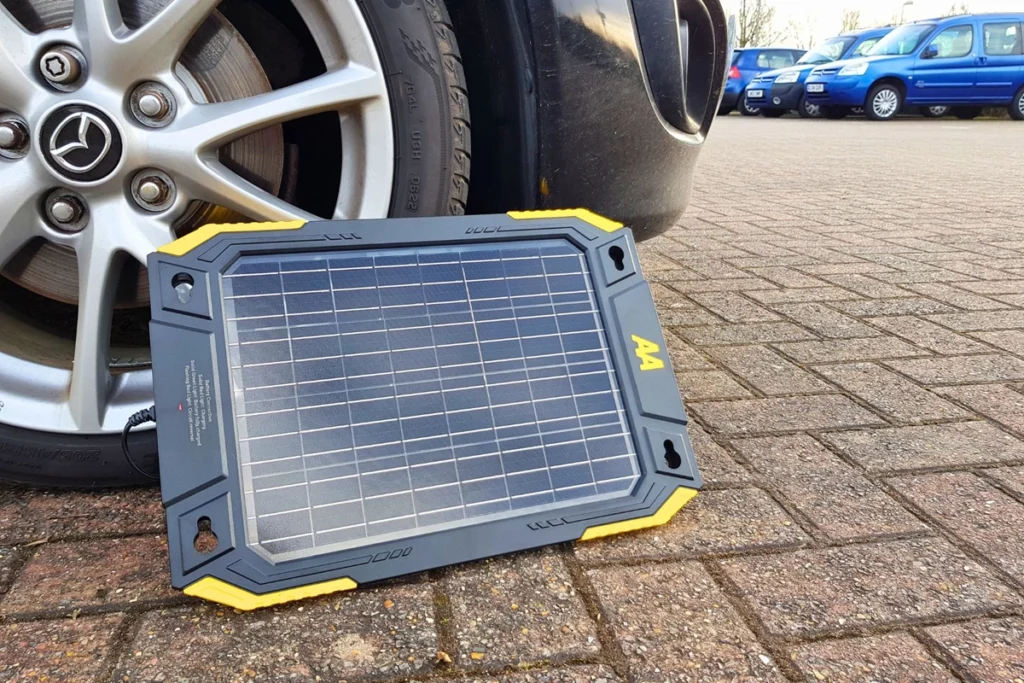
Both come in portable sizes. Solar generators are excellent for small cabins, RVs, tiny houses, and powering communications or medical gear overnight. Gas generators work well for construction sites, backup for larger homes, running well pumps, or when you need sustained high power away from sun.
Which option fits different off-grid profiles
Off-grid homesteader aiming for long-term independence
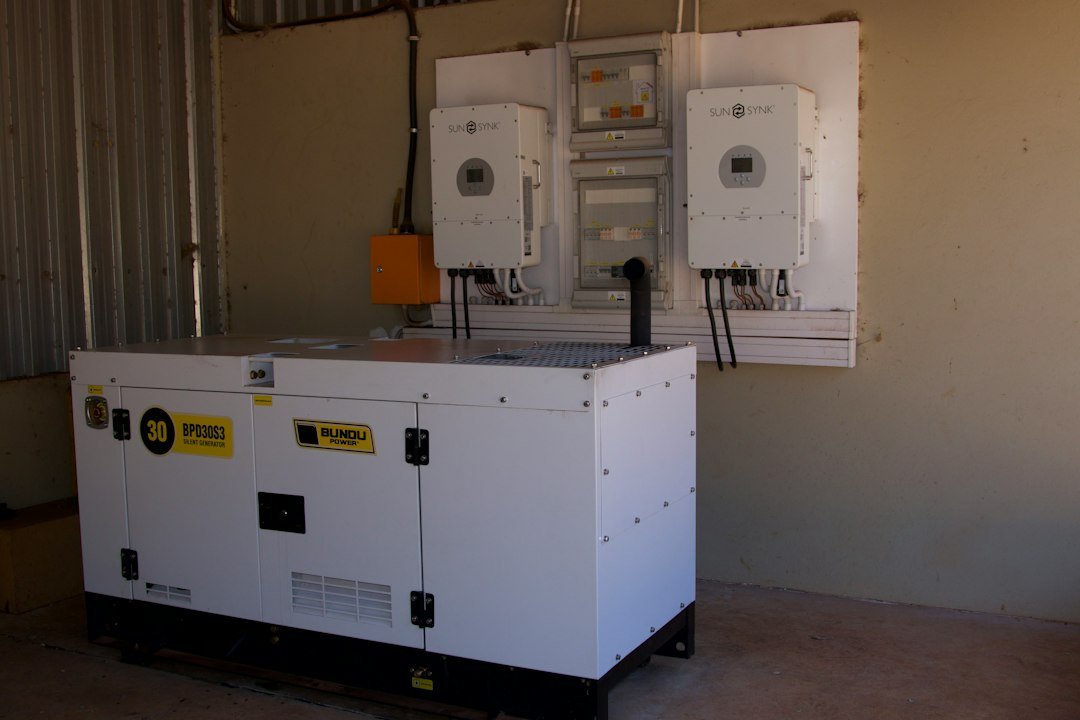
Recommended: solar-first system with a battery bank sized to your daily load plus a small backup gas or propane generator for emergency high loads or prolonged cloudy weather. This hybrid approach minimizes fuel use while preserving capability for pumps and tools.
Weekend camper or vanlife traveler
Recommended: solar generator sized for electronics, lights, and small appliances; foldable panels are convenient. If you frequently use microwaves, hair dryers, or induction cooktops, add a compact gas generator or be prepared to run those appliances infrequently.
Construction or remote work sites needing heavy intermittent power
Recommended: gas generator for heavy tools and predictable continuous power; consider a dual-fuel model (propane plus gasoline) for flexibility. If dust or fumes are a concern near occupants, plan forced ventilation or a remote generator location.
Backup power for a small off-grid cabin
Recommended: a solar generator sized to cover refrigerator, LED lighting, and charging needs, combined with a modest gas generator only for extended outages or to recharge battery banks quickly.
Practical product recommendation
If you want a ready solar-first starter that's highly rated in our store and fits most off-grid small-cabin or RV scenarios, consider the Jackery Solar Generator 1000 v2 kit for balanced capacity, inverter output, and portable panels.
Simple sizing rules of thumb
- Estimate average daily watt-hours (add major loads and multiply by hours of use).
- For solar systems, size battery capacity for at least 2–3 days of autonomy if you can’t refuel, and install panels to replace daily use in average sun (peak sun hours × panel wattage ≈ daily generation).
- If you expect frequent motor starts or 2000W+ simultaneous loads, plan for a gas generator or a large inverter with robust surge capacity.
Hybrid systems—solar panels and battery bank as primary supply, with a gas/propane generator for emergency recharge—deliver resilience. Choose this if you want the daily benefits of solar but cannot tolerate even occasional long outages (e.g., well pumps, refrigeration for food or meds).
- Calculate your daily watt-hour demand and peak surge needs.
- Decide how many days of autonomy you require without refueling or resupply.
- Check local rules on generator noise and emissions for your property.
- Plan battery replacement and fuel storage logistics within your budget.
- Match portability needs—how often you will move the unit.
Choose solar generators if you prioritize quiet, low operating costs and minimal onsite emissions—ideal for sustained off-grid living when sun and system sizing align. Choose gas generators when you need on-demand high power, immediate refueling, and a lower initial expense. For many situations, a solar system with a small gas backup gives the best balance of independence and reliability.
How long will a solar generator run my fridge?
It depends on fridge power draw—small 12V campers may use 30–60 Wh/hour, full-size refrigerators 800–1500 Wh/day; match battery capacity and inverter to that daily use and allow recharging from panels or an alternative source.
Can a gas generator recharge a solar battery bank?
Yes—most battery-based systems accept AC charging; use a generator to run a battery charger or inverter/charger, but size the generator to handle the charger’s input load.
Are solar generators reliable in winter or cloudy seasons?
They work in winter but produce less power per panel due to shorter days and angle; increase panel capacity or battery storage to cover seasonal dips, or keep a fuel backup.
How noisy is a typical gas generator?
Portable gas generators vary widely; small inverter models can be 50–60 dB at distance while conventional units often exceed 70 dB—check specs and plan placement to reduce impact.