 Wishlist

Start with what you want on the table and work backward
Cooking without electricity is mostly about choosing a method that fits what you plan to eat. Simple meals—stews, grilled proteins, scrambled eggs, canned beans, sandwiches, salads—demand different tools and fuels. Decide first: are you aiming for hot, cooked food or just safe, filling cold meals? That choice determines what you need to assemble and how long it will take.
Quick checklist: safe fuels and basic tools you'll need
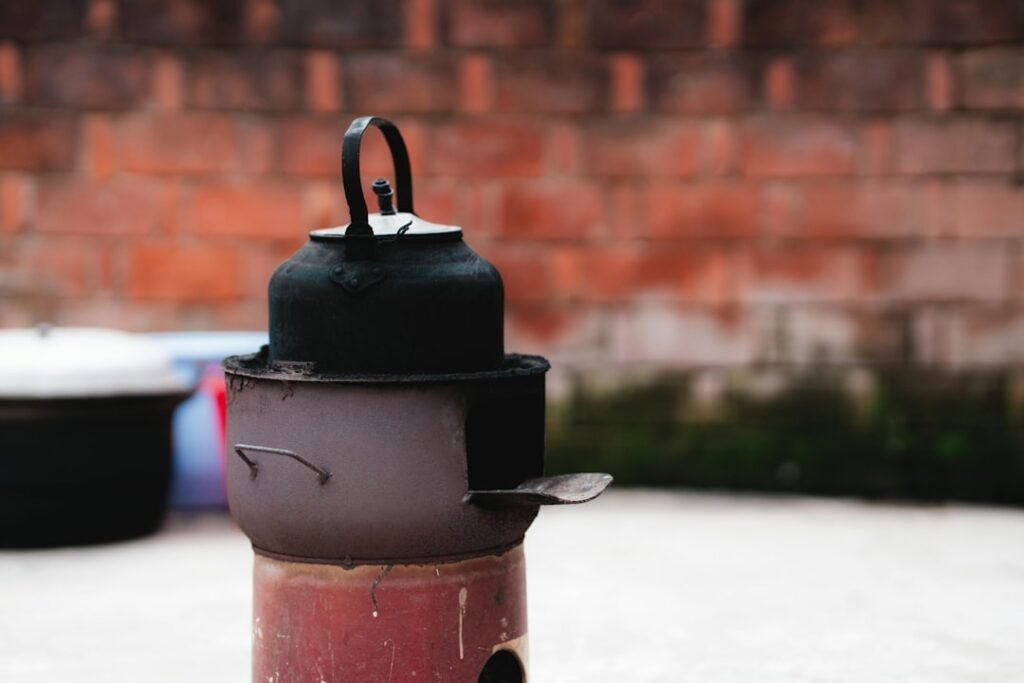
Reliable options for most outages are propane camp stoves, small butane/propane backpacking stoves, charcoal grills, and an outdoor firepit. For no-flame cooking, a solar oven or insulated cooler "cooking" can work in the right conditions. Tools: lighters or waterproof matches, a sturdy pot and pan (cast iron is ideal), manual can opener, long-handled utensils, heatproof gloves, and a thermometer.
How to cook without electricity: practical methods and when to use them
1) Propane camp stove — fast, controllable, and versatile
Best when you want stovetop cooking: boiling, simmering, frying, or one-pot meals. Set up outdoors on a level surface, sheltered from wind. Use 1-lb propane cylinders for short outages or larger refillable tanks for longer events.
- What to cook: soups, pasta, rice, eggs, pancakes, canned chili.
- Tips: pre-measure water to save fuel, cover pots to speed boiling, and use a cast-iron pan to retain heat for searing or keeping food warm.
- Safety: never operate indoors or inside garages; run a carbon monoxide detector and keep a fire extinguisher nearby.
2) Butane/propane backpacking stoves — lightweight and extremely fuel-efficient
Use these when you need portability or have a small amount of cooking to do. They’re excellent for boiling water for rehydrated meals, coffee, or instant soups. Carry a windscreen and a stable pot support for safety and efficiency.
3) Charcoal or gas grill — great for larger families or batch cooking
Use a grill when you want to cook many items at once or grill vegetables and meats. Charcoal retains heat for hours, making it useful for direct searing or indirect roasting.
- Charcoal tip: start a hot pile and then bank coals for lower, steady heat for 30–60 minutes.
- Grill safety: position away from the house and combustible materials; allow charcoal to cool fully before disposal.
4) Open firepit — primitive but effective if you know how
Firepits store heat and can roast, boil, or skewer food. Use a Dutch oven for stews and breads; bury coals around the lid for even baking. Control heat by moving coals and lifting the lid to test doneness.
5) Solar oven — excellent when sun and time are available
A solar oven can bake and slow-cook without fuel. It’s low-effort but slow and weather-dependent—good for casseroles, baked potatoes, and reheating sealed foods. Preheat it for 30–60 minutes and use dark, lidded pans for best results.
6) No-heat and cold meals — quick, safe, and minimal supplies
Keep a rotation of ready-to-eat items: canned tuna/chicken, nut butter, crackers, canned beans, tortillas, hard cheeses, jerky, pickles, and fresh produce that keeps (apples, carrots, oranges). Assemble wraps, salads, or protein bowls. Use manual jar and can openers; avoid raw eggs or anything requiring refrigeration for long periods.
Meal examples and timing so you can plan fuel and effort
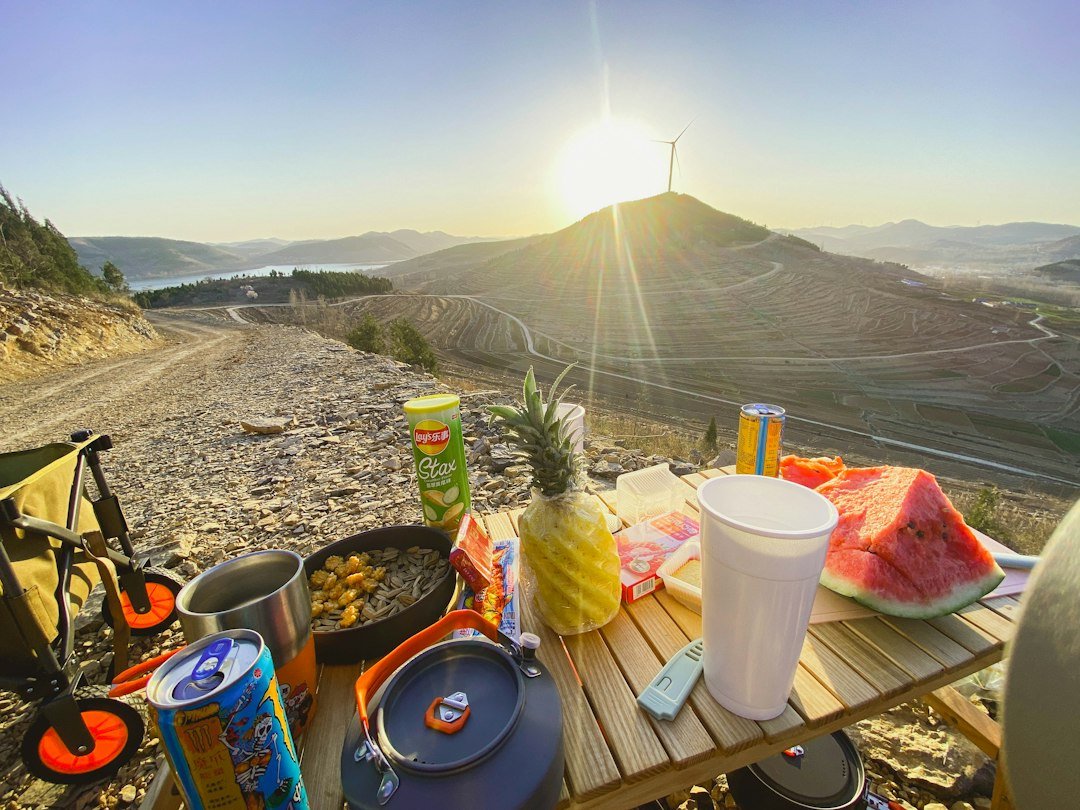
Plan by fuel consumption: boiling pasta for 4 takes about 15–20 minutes active flame time; simmering stew needs longer but can be done in a single pot over low heat. Overnight low-and-slow dishes (Dutch oven stews) use less attention and make good use of coals or a solar oven.
- Breakfast: scrambled eggs and toast on a camp stove (10–15 minutes).
- Lunch: canned tuna wraps and salad (no heat, 5–10 minutes).
- Dinner: one-pot chili on a propane stove or Dutch oven stew (30–60 minutes active time; longer if slow-cooked).
First product recommendation: portable power station for small electric appliances
If you prefer to keep some electric options (electric kettle, small induction cooktop, or microwave) for short outages, a high-capacity portable power station is the easiest clean option. Use it indoors safely and avoid overloading.
Common problems and how to fix them
Wind kills flame or wastes fuel
Use a windscreen, position stove with a natural windbreak, or move to a more sheltered outdoor spot. Never do that inside.
Food takes longer to cook than expected
Keep lids on pots, preheat pans, and cut ingredients into smaller pieces. A covered cast-iron pan will hold heat and finish items without a high flame.
Limited fuel supply
Prioritize boiling water and reheating critical items. Make cold meals until you can safely resupply. Conserve fuel by cooking multiple items in the same pot and insulating hot pots in towels or an empty cooler to keep food warm.
- Decide hot vs. cold meals and list the three dishes you'll make first.
- Confirm fuel type and quantity for your stove or grill.
- Gather cookware: one pot, one skillet, manual can opener, utensils, and heatproof gloves.
- Set up outdoors on a stable, sheltered surface and have a fire extinguisher nearby.
- Reserve ready-to-eat items and water for drinking and cooking.
Cooking without electricity is manageable with simple planning: match your chosen fuel and cookware to the meals you want, prioritize safety, and keep a no-cook plan for low-fuel periods. A single portable power station can extend options for short outages.
Can I cook indoors with a camp stove?
No. Portable propane or butane stoves produce carbon monoxide and must be used outdoors or in very well-ventilated, semi-outdoor spaces; indoor use is unsafe.
How do I boil water without electricity?
Use a propane or butane burner, charcoal grill with a pot, or open fire; a solar oven won't reach rolling boil quickly but can pasteurize water slowly in strong sun.
How long will food stay safe without refrigeration?
Perishable cooked foods are safe for about two hours at room temperature; in hot weather (<90°F/32°C) that reduces to one hour. Use coolers and ice to extend safe time.
Is a solar oven worth having for emergencies?
Yes if you live in a sunny climate and can plan around slower cook times; it's fuel-free and safe, but unreliable in overcast or winter conditions.
What single cookware item is most useful in outages?
A heavy cast-iron Dutch oven or skillet—its heat retention makes it versatile across grills, coals, and stoves, and it doubles for baking and frying.