 Wishlist
That morning when the power flickers and your phone drops to 12%—what will you grab first?
Start with the answer: a well-rounded emergency survival kit should cover water, food, shelter/warmth, first aid, tools/lighting, communication/signaling, and personal documents. Aim to sustain you and close household members for at least 72 hours, then scale for car, home or extended disaster planning.
Core items to include in every emergency survival kit
- Water — 1 gallon per person per day for 3 days (drinking and minimal hygiene). Include sealed bottles and a portable filter or water purification tablets for longer scenarios.
- Food — 3 days of nonperishable, ready-to-eat food (energy bars, canned goods, MREs or emergency food buckets). Pick high-calorie, compact options that your household will actually eat.
- Shelter and warmth — mylar emergency blanket or sleeping bag, an extra warm layer per person, and a small tarp or emergency bivvy. In cold climates, prioritize an insulated sleeping system.
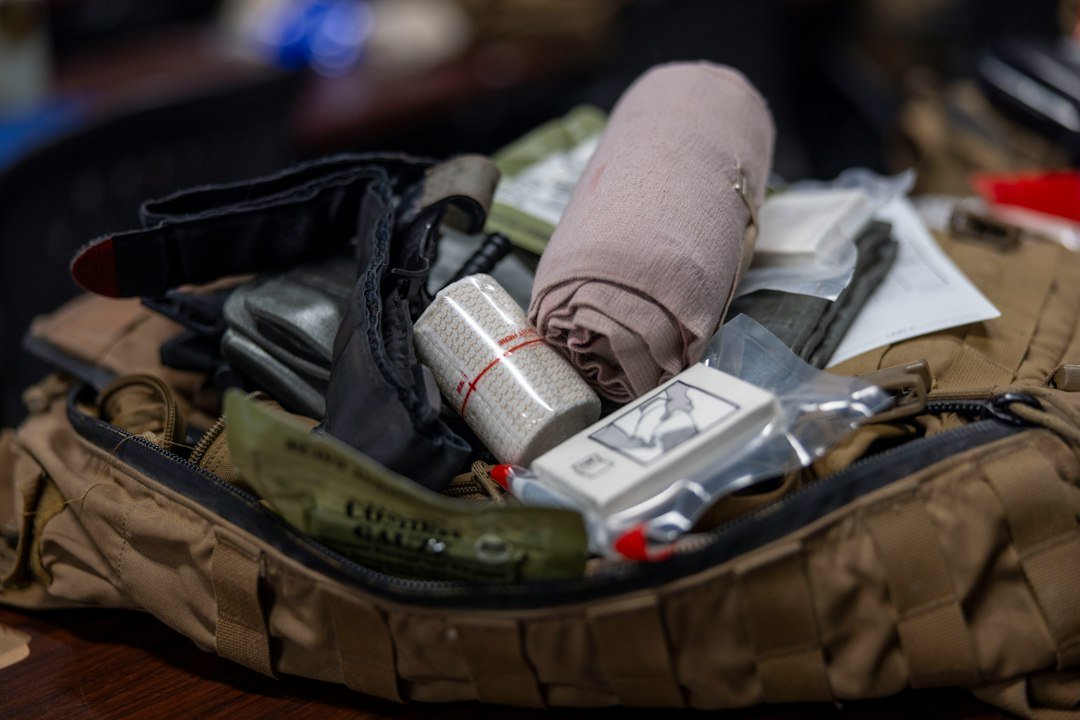
- First aid — a robust kit with bandages, sterile gauze, adhesive tape, antiseptic wipes, pain relievers, tweezers, a CPR face shield and any prescription medicines (7–14 day supply).
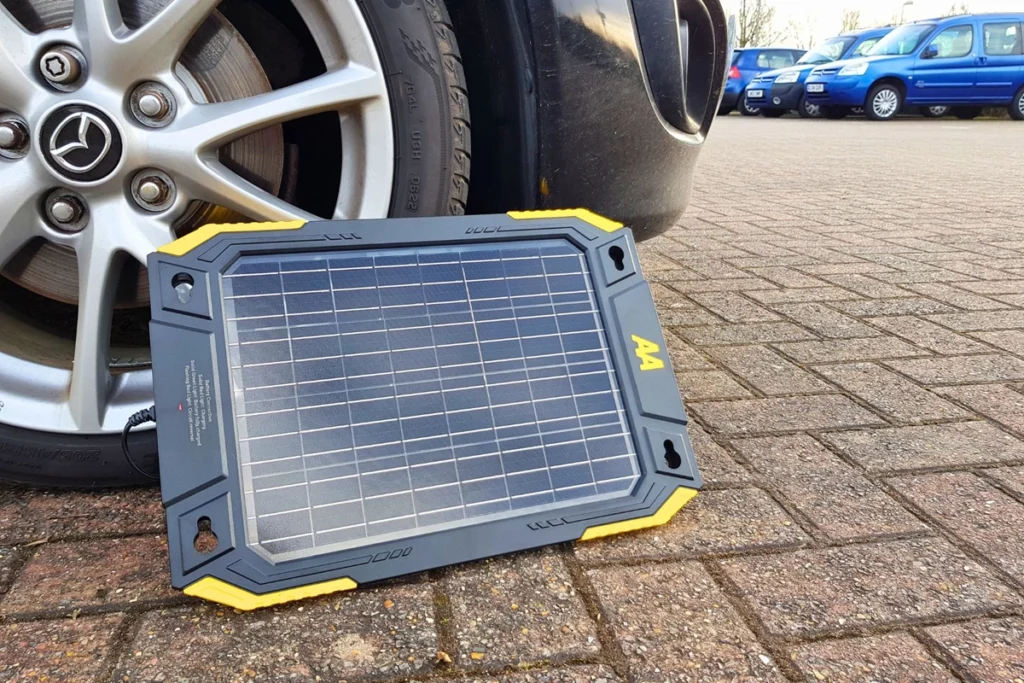
- Lighting and power — flashlight or headlamp per person plus spare batteries. Include a hand-crank or solar charger for phones and a power bank.
- Tools and repair — multi-tool, fixed-blade knife, whistle, compact shovel or entrenching tool, duct tape and paracord for quick repairs and improvised shelter.
- Communication and information — hand-crank or battery emergency weather radio and a written family emergency plan with meeting points and contacts.
- Sanitation — toilet paper, moist towelettes, garbage bags, hand sanitizer and a small trowel if you’re in the field.
- Documents and cash — waterproof pouch containing IDs, insurance info, emergency contacts and a small amount of cash in small bills.
Why these items, and practical trade-offs
Focus on survivability first—water, food, shelter and first aid—because those keep people alive. Tools, communications and comfort items matter next because they preserve mobility, morale and the ability to wait out or escape a danger.
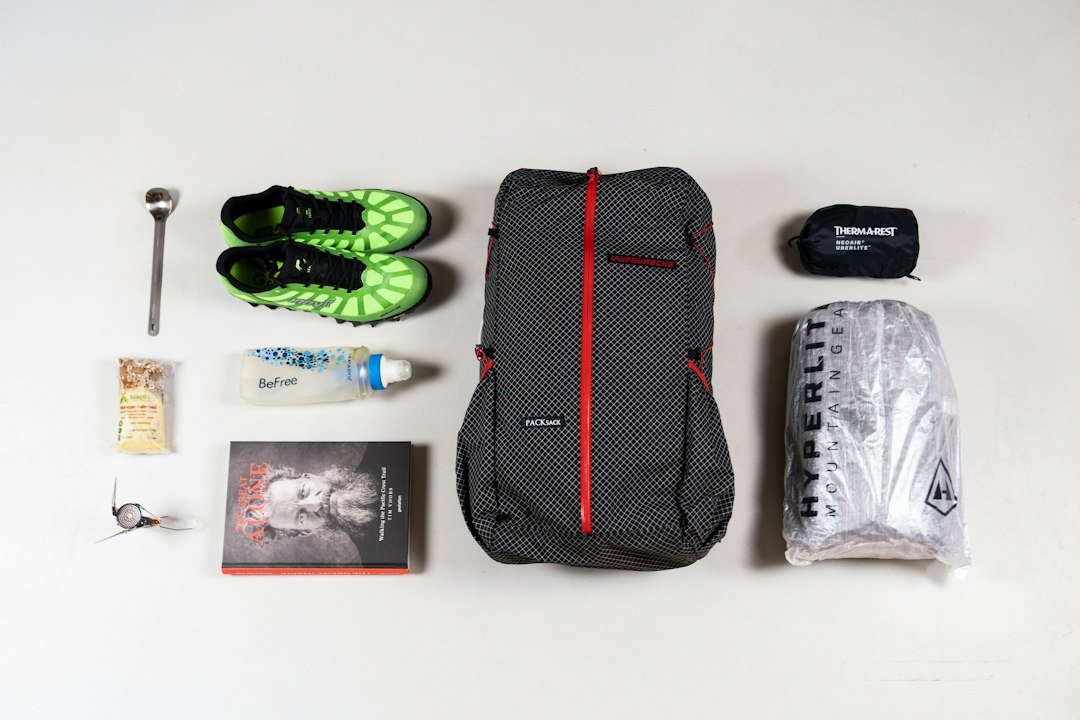
Space and weight are the usual trade-offs. For a car kit, include a heavier sleeping option and roadside tools; for a home kit, prioritize larger-volume water and a more complete first-aid kit. For an ultra-light “bug-out” pack, choose calorie-dense food, a compact ultralight shelter and a durable multi-tool.
Packing tips that make a kit usable under stress
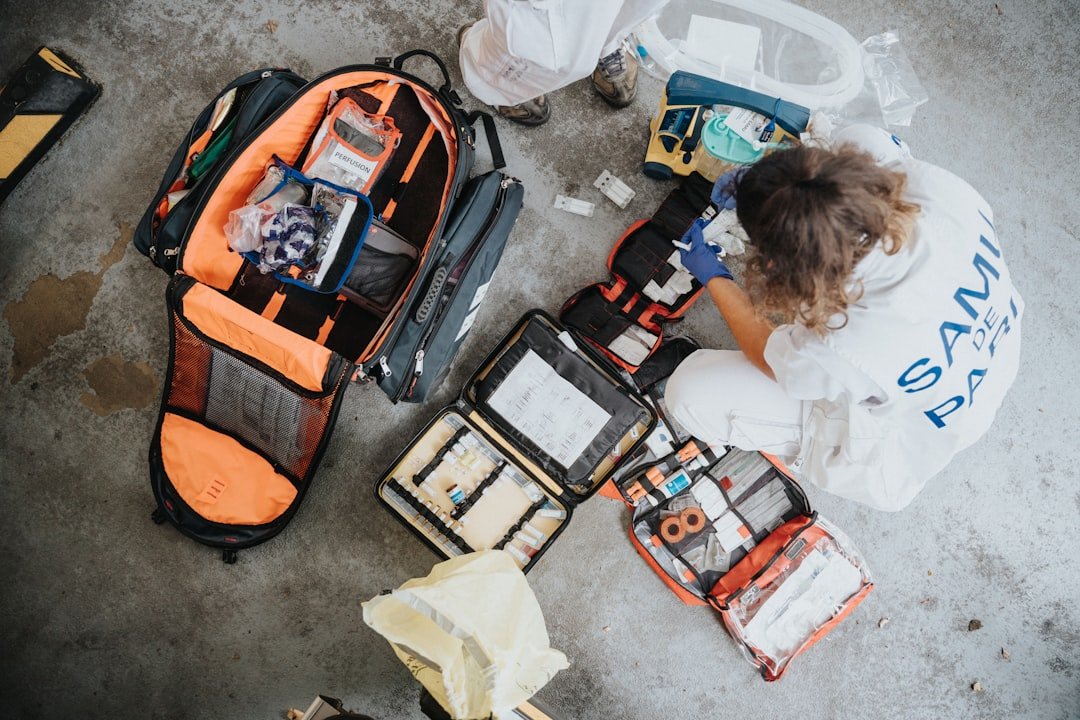
- Organize by function: water + purification in one pouch, first aid in another, lighting/communication together. Label pouches clearly.
- Use a durable backpack or hard case that’s easy to grab. Keep the kit near an exit and train family members where it is.
- Rotate food, batteries and medications on a schedule—mark expiration dates on the outside list so you can swap items without opening everything.
- Include simple instructions: how to use the filter, radio frequencies, and the family meeting plan. In high-stress moments, short written steps beat memory.
Special items based on likely scenarios
Customize the kit to local threats and personal needs:
- Flood-prone areas: include waterproof bags, extra clothing, and a small rope for securing items.
- Winter climates: upgrade to heavy-duty sleeping bags, hand warmers and a stove with fuel for melting snow.
- Car kit additions: jumper cables, tire repair kit, a reflective triangle, and a compact shovel.
- Families with infants or pets: baby formula, diapers, pet food and extra water—itemize per member so nothing is missed.
- Medical needs: copies of prescriptions, a list of allergies and dosages, and extra supplies like insulin refrigeration packs if required.
One product recommendation that simplifies a lot
If you want a ready-to-go, high-match option for an auto or basic home kit, a preassembled emergency pack saves time and covers many essentials before you customize.
Maintenance, testing and storage
Set a quarterly check routine: inspect seals, run the radio and flashlight, charge or swap power banks, and replace expired food and meds. Keep the kit in a cool, dry place away from direct sunlight and label the storage date with an easy-to-see sticker.
When a minimalist kit is better than none
If you can’t assemble a full 72-hour kit immediately, prioritize a day bag with: one gallon of water per person, 2,000–3,000 calories of compact food, a headlamp, first-aid basics, a mylar blanket and a whistle. That set dramatically improves your odds until you can expand it.
- Store at least 1 gallon water/person/day for 3 days and include purification option.
- Pack 3 days of nonperishable food; choose items your household will eat.
- Include a first-aid kit plus prescriptions and sanitation supplies.
- Keep a hand-crank radio, flashlight/headlamps, multi-tool and whistle.
- Label and store the kit near an exit; set a quarterly inspection reminder.
Build your kit around immediate survival needs, then customize for climate, location and personal health. Regular maintenance makes a kit reliable when you need it most.
How much water should I pack per person?
Plan for 1 gallon per person per day for three days. Add more if you live in hot climates or have infants and nursing mothers.
What is the easiest food to include in a kit?
High-calorie, nonperishable items like energy bars, canned meats, peanut butter, and commercial emergency food buckets are practical and compact.
Should I include a firearm or pepper spray?
Personal-defense choices depend on local laws and comfort level; they require training and secure storage. Focus first on basic survival items unless you are trained and lawful in their use.
How often should I check my kit?
Inspect every 3–4 months: rotate food, replace expired meds and batteries, and test electronics like radios and flashlights.
Can one kit serve both car and home needs?
It’s better to maintain separate kits: a heavier, vehicle-ready kit and a well-stocked home kit. A small grab-and-go bag works as a common quick option.