 Wishlist
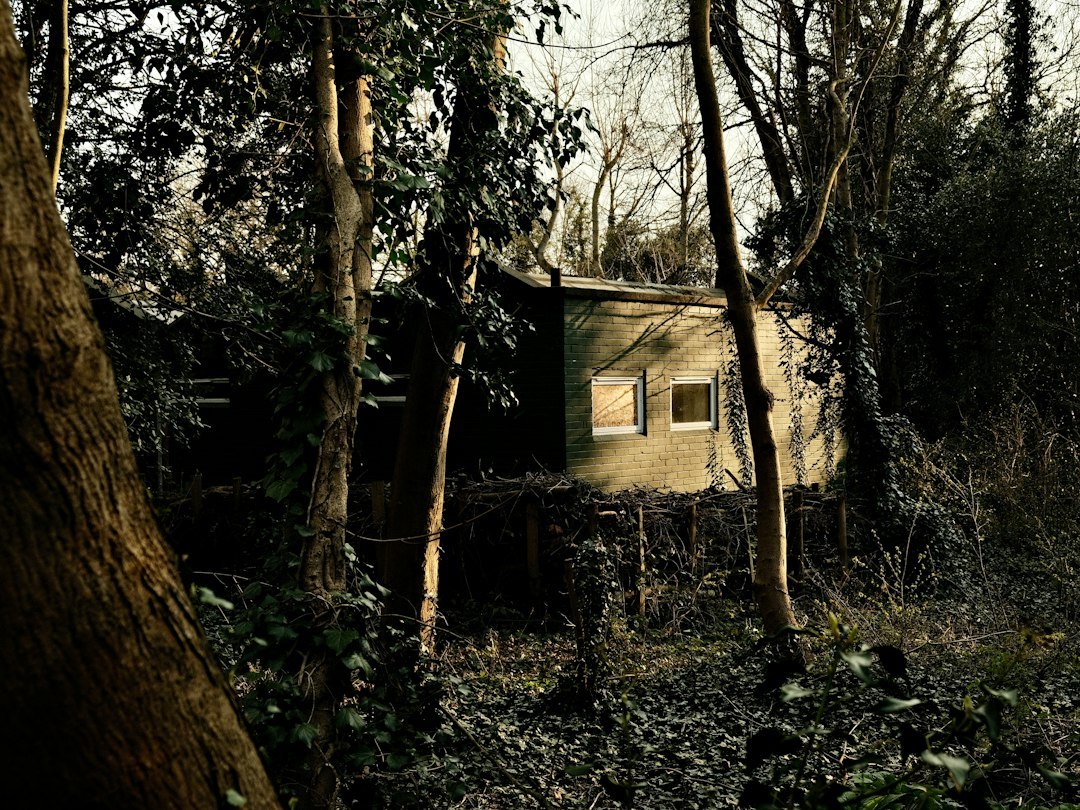
Imagine waking to a quiet morning, stepping outside a small cabin where a row of solar panels glints, a rain barrel collects last night’s storm, and the wood stove is already warm. That scene is reachable — but only if you plan the essentials in the right order.
If you want to start living off grid, the end result is reliable basics on site: safe water, predictable power, a practical heating solution, food sources, and legal clarity so you can stay there long-term. Below is a step-by-step plan that starts with the decision-level choices and walks through systems you’ll actually use in year one.
Choose the right place first
Your location determines almost everything: climate, water access, solar potential, building codes and supply logistics. Narrow options by answering three questions for each parcel:
- What is the annual precipitation and typical winter low? (affects water and heating)
- How many sun hours per day on average and are surrounding trees shade-prone? (affects solar sizing)
- Are there legal restrictions—zoning, septic rules, or minimum dwelling standards? (affects whether you can live there long-term)
Do a site visit at the same season you plan to arrive (winter if you’ll be there in winter). Walk the property, note slope, existing structures, well locations or streams, and cell signal. If you need extra research, request a plot survey or title search before buying.
Start with water: reliable supply and basic treatment
Water is both urgent and simple to test early. Prioritize securing one of these on-site sources: drilled well, reliable spring/stream with legal rights, or robust rainwater capture with a large storage tank.
- Measure likely daily needs: basic living for one person is 20–50 gallons/day off-grid if conserving; plan higher if you’ll garden or run laundry.
- If relying on rain, size roof catchment and storage for dry spells. For example, 1,000 sq ft roof collecting 1" of rain yields roughly 600 gallons.
- Install a first-flush diverter, mesh gutter screens and a sediment settling tank. Use a gravity or pump-fed filter and disinfect with UV or chlorination for drinking water.
Tip: test any natural source for bacteria and heavy metals before trusting it for drinking; a reliable gravity filter is a simple early upgrade.
Provide days-to-weeks of power: plan a hybrid system
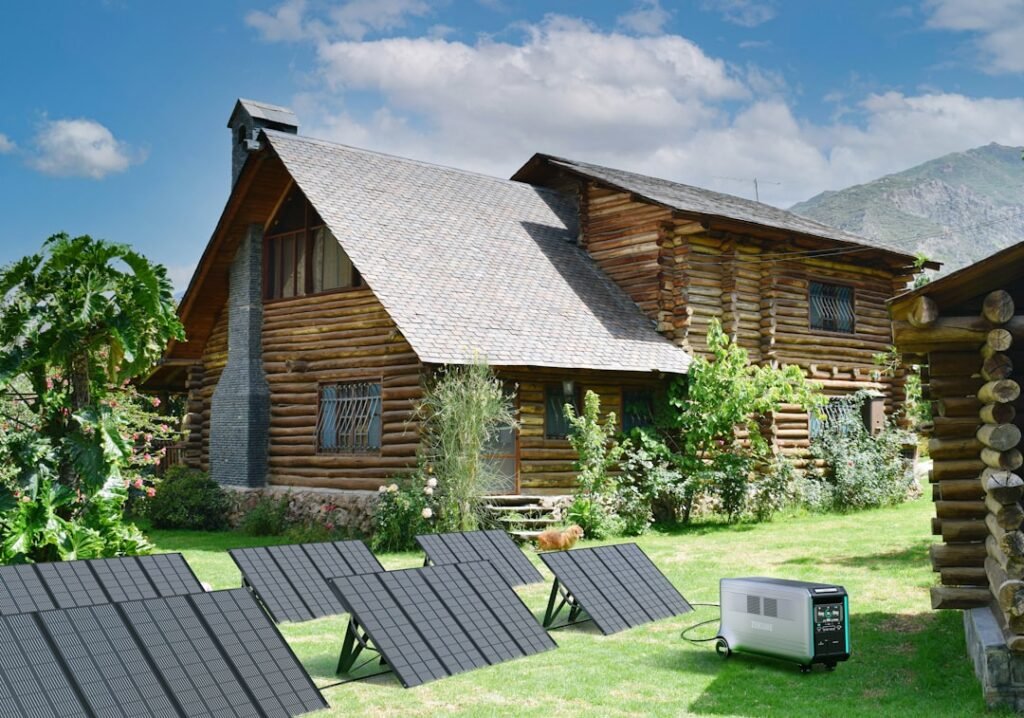
The quickest path to dependable electricity is a hybrid approach: solar panels with battery storage plus a backup generator. This combination handles daily loads and gives redundancy when panels are shaded or during long storms.
- List critical loads (lights, fridge, pump, phone charging). Calculate watt-hours per day to size batteries and panels.
- Choose deep-cycle batteries sized for 2–5 days of autonomy (lead-acid or lithium). Pair with an inverter sized to handle peak startup loads like pumps.
- Add a small generator for extended cloudy stretches; dual-fuel models are more flexible if propane is available.
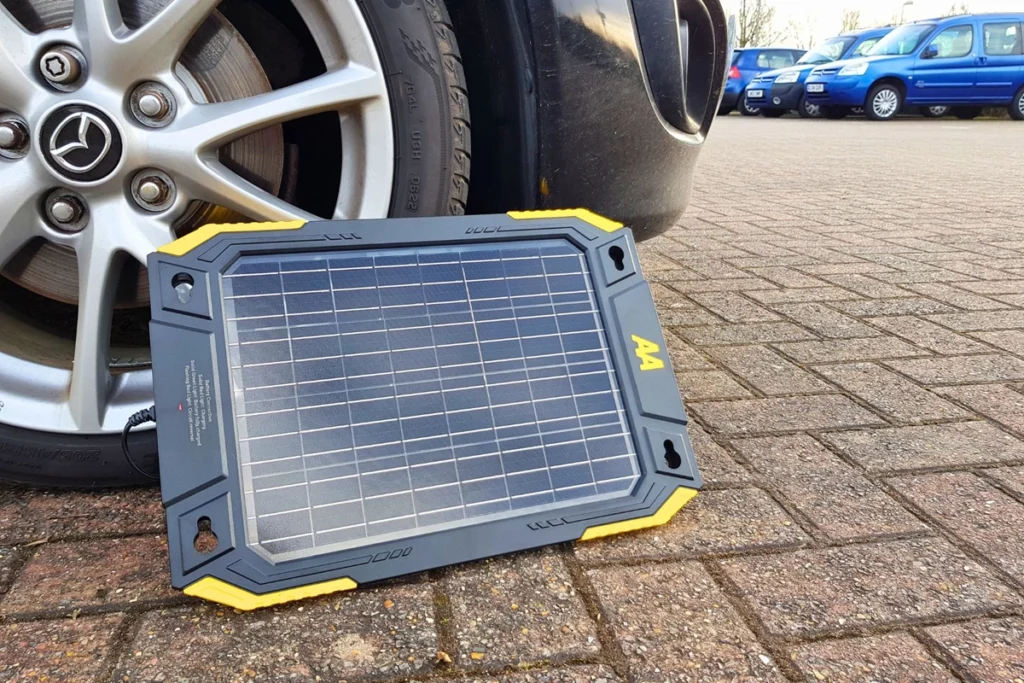
Early product you might buy: a compact bifacial solar panel pack is a solid first step if you need portable, expandable capacity.
Heat and cooking: match fuel to your climate and skills
Heating strategies differ by region. In mild areas, electric heat from panels plus passive solar gain and good insulation may suffice. In cold climates, a wood stove is cost-effective and simple to maintain; for intermittent use, propane space heaters or catalytic heaters work well.
Install proper ventilation and a certified chimney for solid fuel; always follow local codes. For cooking, consider a propane range for reliability and a backup rocket stove or camp stove for emergencies.
Food: start small, scale with seasons
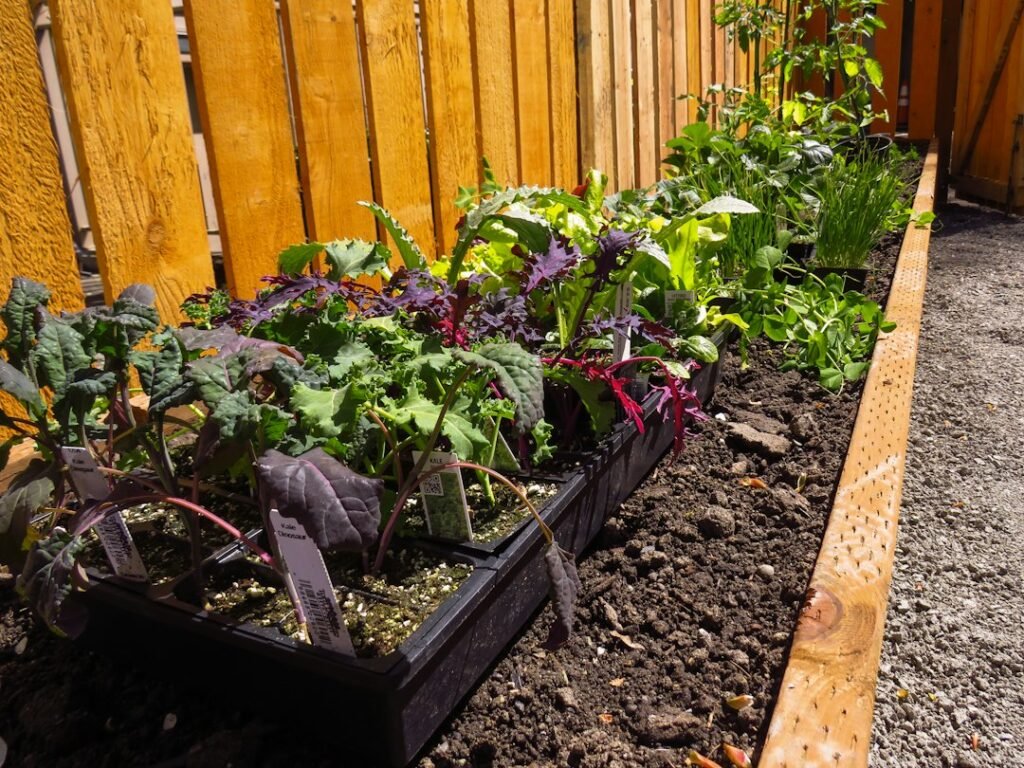
Begin with a kitchen garden and container herbs. Prioritize high-yield, low-maintenance crops: potatoes, beans, kale, tomatoes and garlic. Layer in:
- Raised beds and a compost system for soil building
- Cold frames or a small greenhouse to extend the season
- A simple seed-starting kit for succession planting
Plan protein sources later—chickens are usually the easiest first livestock; rabbits or beekeeping are next-level options depending on local rules.
Build incrementally and test before moving full time
Don’t move until you’ve run the systems for at least one season. Live in the property part-time or camp nearby and use real daily routines to reveal gaps: does the hot water run out, is the battery bank oversized or undersized, are pests a problem in food storage? Adjust and document fixes.
Piercing common problems and how to adapt
- Too little solar production: trim shade-causing trees, add panels oriented for winter sun, or increase battery buffer.
- Unreliable water in dry years: add catchment area, drill a well, or contract seasonal water deliveries as a stopgap.
- Neighbor or code conflicts: consult the county planning office early; temporary structures often have different rules than permanent dwellings.
Checklist before you move
Complete or budget for these items before full-time residency: a tested water treatment chain, battery bank and inverter, backup generator, primary heating system, a food plan for the first year, and clear legal permission to live there.
Helpful links for deeper reading
For equipment decisions, read our gear guides on electrical and water systems: off-grid solar kits and deep-cycle batteries. For water filtration options, see our gravity filter review: best gravity water filters.
- Visit property in target season and map sun, slope and water sources
- Test water quality and size storage for dry spells
- Calculate daily watt-hours and order initial solar + battery kit
- Install one reliable heating source and test for a winter
- Start a small vegetable garden and seed stock for year one
Begin living off grid by choosing a site that matches your climate and legal needs, secure water first, set up a solar-plus-backup power system sized for critical loads, and scale food and heating solutions seasonally. Test systems on-site before committing full-time.
How much solar do I need to live off grid?
It depends on your daily watt-hour use; list critical loads, then size panels to meet average daily demand plus battery losses. Aim for panels that produce 20–30% more than calculated to cover cloudy periods.
Can I rely only on rainwater?
Possibly in wet climates, but you need sufficient storage for dry spells and treatment for pathogens. In drier regions, pair rainwater with a well or water deliveries.
Do I need permits to live off grid?
Often yes—zoning, septic, and building codes vary. Check county regulations before buying and plan for inspections and hookups if required.
What is the easiest first livestock to keep?
Chickens are generally the simplest: they provide eggs, require modest space, and are good at pest control and composting food scraps.
What backup should I have for power failures?
A small portable generator and fuel supply plus conservative load management will cover prolonged low-sun periods; ensure safe storage and transfer switch installation.